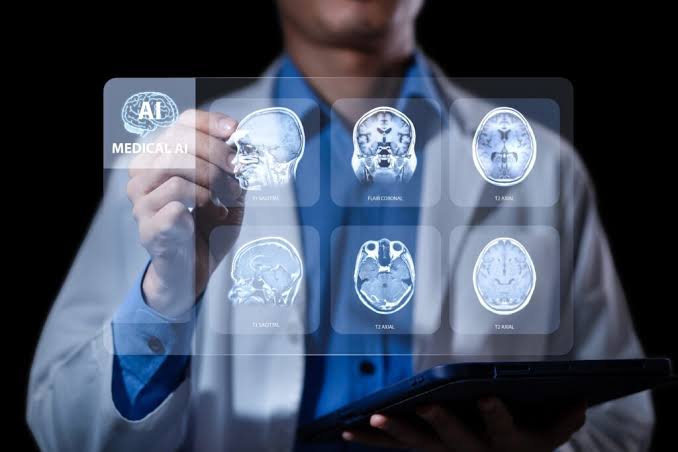
Medical imaging has become an essential part of modern healthcare, helping doctors examine injuries, identify abnormalities, and plan appropriate treatments. As hospitals and diagnostic centres manage increasing patient numbers, they need imaging systems that deliver reliable results while supporting efficient workflows.
Technologies such as digital fluoroscopy, DR imaging, and advanced detector systems are helping healthcare facilities improve how they capture, review, and share medical images. Selecting suitable equipment requires an understanding of clinical requirements, image quality, patient safety, and long-term operating costs.
What Is Digital Fluoroscopy?
Digital fluoroscopy is an imaging technique that produces real-time X-ray images, allowing healthcare professionals to observe movement and the passage of contrast material through different parts of the body. It is commonly used in selected gastrointestinal examinations, swallowing studies, and certain image-guided procedures.
Unlike conventional radiography, which typically captures individual images, digital fluoroscopy displays a sequence of images that helps clinicians assess movement over time. This makes it useful when observing dynamic processes that cannot be fully understood through a single image.
How DR Imaging Supports Faster Examinations
DR imaging, or digital radiography, uses electronic detectors to capture X-ray images and make them available for review shortly after exposure. This can reduce the waiting time associated with older film-based workflows and help staff manage examinations more efficiently.
Related reading: International Surrogacy Laws in 2026: What Intended Parents in the UK, Europe and USA Should Know
Digital radiography can also support image sharing, electronic storage, and integration with hospital information systems. These capabilities are valuable when radiologists need access to previous examinations or when clinicians work across different departments.
Although DR imaging can improve workflow efficiency, the quality of the final image still depends on correct patient positioning, suitable exposure settings, equipment calibration, and staff training.
The Importance of a Digital Detector
A digital detector is a key component of a digital radiography system. It converts the X-ray information received during an examination into an electronic image that can be processed and reviewed. A suitable digital detector can support a broad range of routine radiographic examinations, depending on the system configuration. Regular quality checks and appropriate handling are important for maintaining reliable performance.
Choosing Reliable DR Radiology Solutions
Selecting suitable DR radiology solutions involves more than comparing technical specifications. Hospitals should assess patient volume, available space, clinical applications, service support, and the potential costs of maintenance and upgrades.
Well-planned DR radiology solutions can help streamline image acquisition, improve access to diagnostic information, and reduce unnecessary workflow delays. Compatibility with picture archiving and communication systems (PACS) is also important for storing and retrieving medical images.
Bringing Imaging Technology and Clinical Needs Together
Modern imaging departments benefit from technology that combines dependable performance with practical workflow design. Whether adopting digital fluoroscopy, upgrading DR imaging, or investing in a new digital detector, healthcare providers should prioritise patient safety, image quality, and clinical suitability.
A specialist medical imaging technology provider can support these goals through radiography equipment, imaging software, detector options, and technical services designed around the needs of healthcare facilities. Choosing solutions that align with clinical requirements and operational priorities can help diagnostic teams deliver consistent imaging services while preparing for future developments in medical technology.