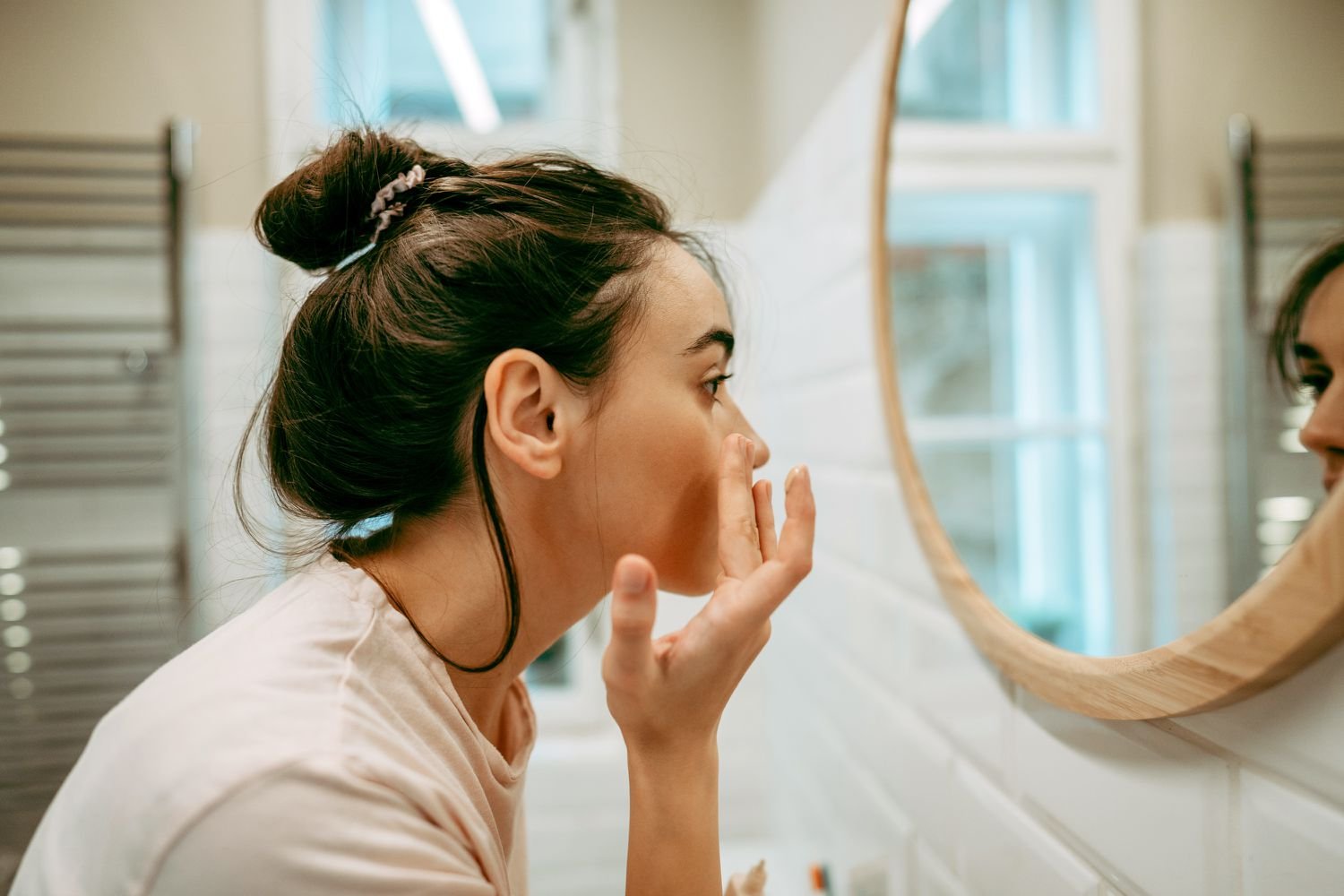
There was a time when skincare felt… simpler. Cleanse, moisturize, maybe sunscreen if you remembered. Now? It’s a whole universe—serums, actives, acids, and lately, something that sounds almost like it belongs in your kitchen: probiotics.
At first, the idea feels a bit strange. Bacteria? On your face? But then again, the more you look into it, the more it starts to make sense. Our skin isn’t just a surface—it’s a living ecosystem. And like any ecosystem, balance matters.
What Even Is Probiotic Skincare?
Let’s clear the confusion first. When brands say “probiotic skincare,” they’re usually not putting live bacteria into your moisturizer. Instead, they use ingredients like probiotic extracts, ferments, or lysates—basically components derived from beneficial bacteria.
These ingredients are meant to support your skin’s microbiome, which is a fancy way of describing the collection of microorganisms living on your skin. Sounds a bit sci-fi, but it’s actually quite natural.
Your skin already hosts billions of microbes. Some are helpful, some… not so much. The goal of probiotic skincare is to encourage the good ones to thrive while keeping the troublemakers in check.
Why the Skin Microbiome Matters
Think of your skin like a tiny city. When everything is in balance, things run smoothly—hydration stays intact, inflammation is low, and your barrier does its job.
But when that balance is disrupted—maybe due to harsh cleansers, pollution, stress, or even over-exfoliating—it can lead to issues like acne, dryness, redness, or sensitivity.
That’s where probiotic-based products step in. They don’t “fix” your skin overnight, but they aim to restore balance over time. It’s less about aggressive treatment and more about gentle support.
The Science Behind the Trend
Now, here’s the part people are most curious about: does it actually work?
The science is still evolving, but there’s growing evidence that certain probiotic-derived ingredients can strengthen the skin barrier, reduce inflammation, and improve hydration levels. Some studies even suggest they may help calm conditions like eczema or acne.
Still, it’s not magic. Results depend on formulation, concentration, and—honestly—your individual skin type. Skincare is rarely one-size-fits-all, no matter how convincing the marketing sounds.
And that’s exactly why questions like Probiotic skincare products ka science aur kya yeh kaam karte hain? keep popping up. Because while the concept is promising, people want real-world proof, not just fancy packaging.
What It Feels Like to Use Them
If you’ve ever tried a probiotic moisturizer or serum, you might notice something subtle rather than dramatic. The texture often feels lightweight, sometimes slightly milky or gel-like. There’s usually no harsh tingling or “instant results” sensation.
And that’s kind of the point.
Probiotic skincare works quietly. Over days or weeks, your skin might feel calmer, less reactive. Redness could fade a bit. That tight, dry feeling? It softens. It’s not a transformation you notice overnight, but one you gradually appreciate.
Who Should Consider Probiotic Skincare?
Honestly, almost anyone—but especially those with sensitive or easily irritated skin.
If your skin tends to overreact to active ingredients like retinol or strong acids, probiotic-based products can feel like a relief. They’re generally gentler, more supportive than corrective.
People dealing with conditions like rosacea or barrier damage might also benefit. But again, expectations matter. These products support your skin—they don’t replace medical treatments when needed.
The Marketing vs Reality Gap
Let’s not ignore the elephant in the room: skincare marketing can be… a bit much.
Terms like “probiotic,” “microbiome-friendly,” or “good bacteria” sound impressive, but not all products are created equal. Some may contain minimal amounts of active ingredients, while others rely more on branding than actual formulation.
So it’s worth reading ingredient lists, checking reviews, and not getting carried away by buzzwords alone. A well-formulated basic moisturizer can sometimes do more than an overhyped “miracle” serum.
Are They Worth Trying?
Here’s the honest answer: it depends on what you’re expecting.
If you’re looking for a gentle, long-term approach to healthier skin—something that focuses on balance rather than quick fixes—then probiotic skincare is definitely worth exploring.
But if you’re expecting instant results or dramatic changes overnight, you might be disappointed. This is more of a slow, steady improvement kind of journey.
Final Thoughts
Skincare trends come and go, but some ideas stick because they tap into something real. Probiotic skincare feels like one of those ideas—not revolutionary, but thoughtful.
It reminds us that sometimes, taking care of our skin isn’t about doing more. It’s about doing less… but doing it better.
And maybe that’s the real shift here. Not just in products, but in how we think about skin itself—not as something to control, but something to understand.