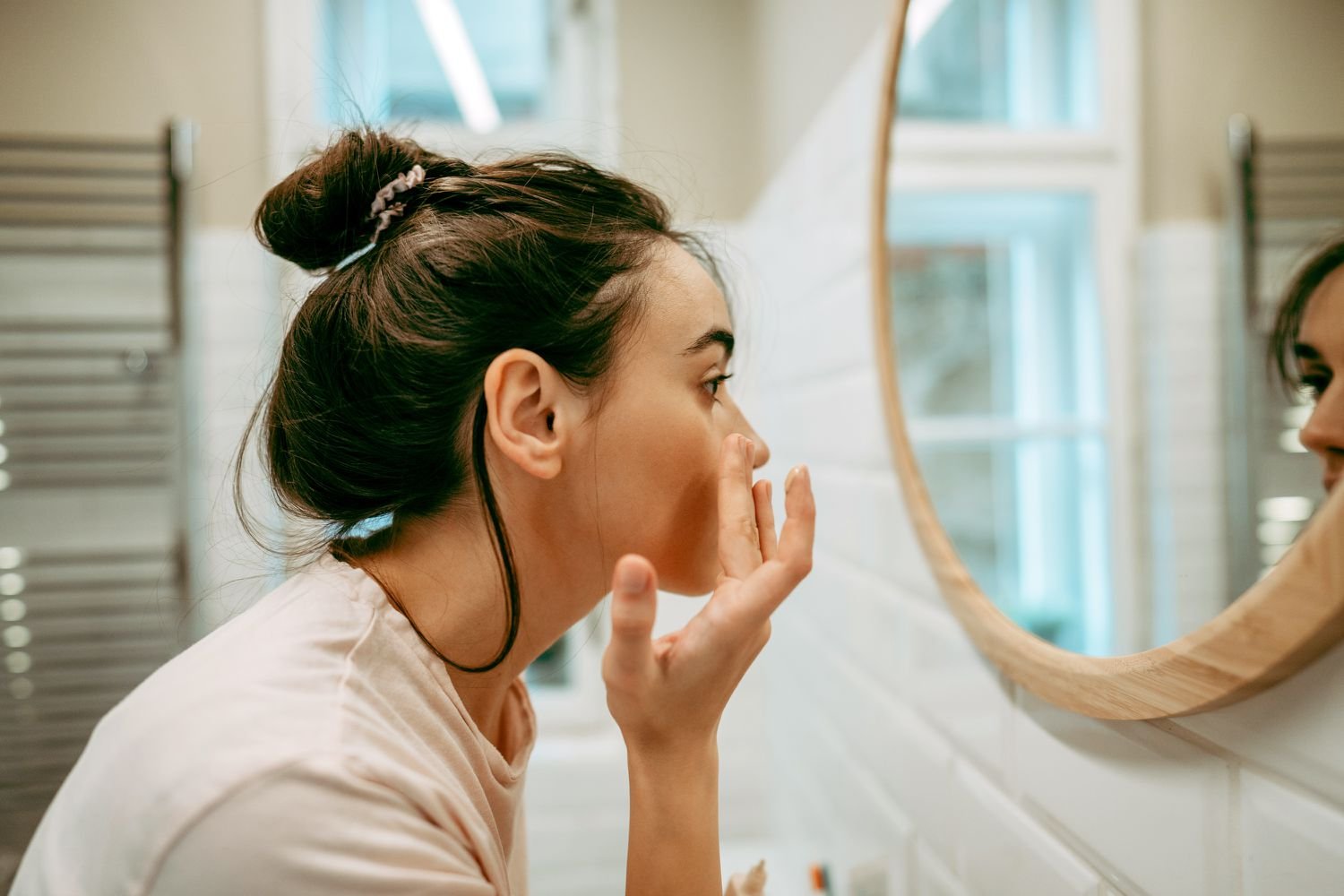
There’s always that one beauty trend that quietly shows up on your feed… and then suddenly, it’s everywhere. One week it’s skin cycling, the next it’s scalp exfoliation, and now — hair slugging. The name itself feels a bit odd, almost messy, but the promise? Softer, shinier, deeply nourished hair overnight.
Naturally, curiosity kicks in. And maybe a little skepticism too.
What Exactly Is Hair Slugging?
At its core, hair slugging is pretty simple. You apply a generous layer of oil or conditioning treatment to your hair before bed, then wrap it — usually in a silk scarf, shower cap, or even an old T-shirt — to lock in moisture while you sleep.
If this sounds familiar, that’s because it is. Many of us grew up watching our moms or grandmothers oil their hair overnight. Coconut oil, almond oil, sometimes even a mix of things — it wasn’t called anything fancy back then. It was just… hair care.
So when people ask, Hair slugging trend: overnight oiling ka naya version ya myth?, it’s not an unreasonable question. In many ways, this “new” trend feels like a rebranded version of something we’ve known for years.
Why Is Everyone Talking About It Now?
Part of it is social media. Platforms like short-form video apps have a way of making old practices feel new again. Add a catchy name, a few aesthetic clips, and suddenly it becomes a “trend.”
But there’s also a shift in how people approach beauty today. There’s more focus on slow, nourishing routines rather than quick fixes. Hair slugging fits right into that mindset — it’s low effort, relatively affordable, and doesn’t rely on expensive products.
Plus, let’s be honest, there’s something comforting about the idea of waking up with better hair just by doing a small thing before bed.
Related reading: The Quiet Rise of Probiotic Skincare: Does It Really Make a Difference?
The Real Benefits (If Done Right)
When done properly, hair slugging can genuinely help, especially if your hair is dry, frizzy, or chemically treated.
Oils help seal moisture into the hair shaft. Wrapping the hair reduces friction against your pillow, which can minimize breakage. Over time, this can lead to smoother texture and a bit more shine.
But — and this is important — it’s not magic.
It won’t repair severe damage overnight. It won’t suddenly transform your hair into something it’s not. What it can do is support healthier hair habits when used consistently and sensibly.
Where Things Can Go Wrong
This is where the “trend” part sometimes misleads people.
Using too much oil can weigh your hair down or make it difficult to wash out. Leaving oil on the scalp for too long, especially if you’re prone to dandruff or buildup, can actually make things worse.
Also, not all hair types respond the same way. Fine hair might feel greasy and limp after slugging, while thicker or curly hair may benefit more.
And then there’s the wrapping part — if done too tightly, it can cause tension and even hair breakage around the edges.
Choosing the Right Approach for Your Hair
Instead of blindly following what works for someone else online, it helps to tweak the method based on your own hair.
If your hair is dry:
Use nourishing oils like coconut, argan, or olive oil — but in moderate amounts.
If your scalp is sensitive:
Focus more on the mid-lengths and ends rather than applying oil directly to the scalp.
If your hair gets oily quickly:
Try shorter durations — maybe a couple of hours instead of overnight.
It’s less about following a trend perfectly and more about adapting it in a way that feels right for you.
Is It Really New — Or Just Repackaged?
Honestly, a bit of both.
Hair slugging isn’t some revolutionary discovery. It’s rooted in traditional practices that have existed across cultures for generations. What’s changed is the packaging, the language, and the way it’s presented.
Calling it “slugging” makes it sound modern and intriguing, but the underlying idea remains the same — nourish your hair, give it time, and let consistency do the work.
Final Thoughts
Trends come and go, especially in the beauty world. Some fade quickly, others stick around because they actually work.
Hair slugging sits somewhere in the middle. It’s not a miracle cure, but it’s not a myth either. When done thoughtfully, it can be a helpful addition to your routine — just not the only thing you rely on.
At the end of the day, good hair care rarely comes from shortcuts. It comes from understanding your hair, being a little patient, and maybe — just maybe — borrowing a few old-school habits that have quietly stood the test of time.