A good plumbing job is not always the one you notice. In fact, the best work usually disappears into the background. Water flows where it should, drains stay clear, fixtures feel solid, and nobody is standing in the hallway wondering why the floor is wet. That quiet reliability is what every home or business owner wants, even if they do not think about it much.
Still, plumbing does not become dependable by accident. It comes from careful inspection, smart planning, skilled workmanship, and the right parts used in the right way.
Strong Systems Need Better Parts
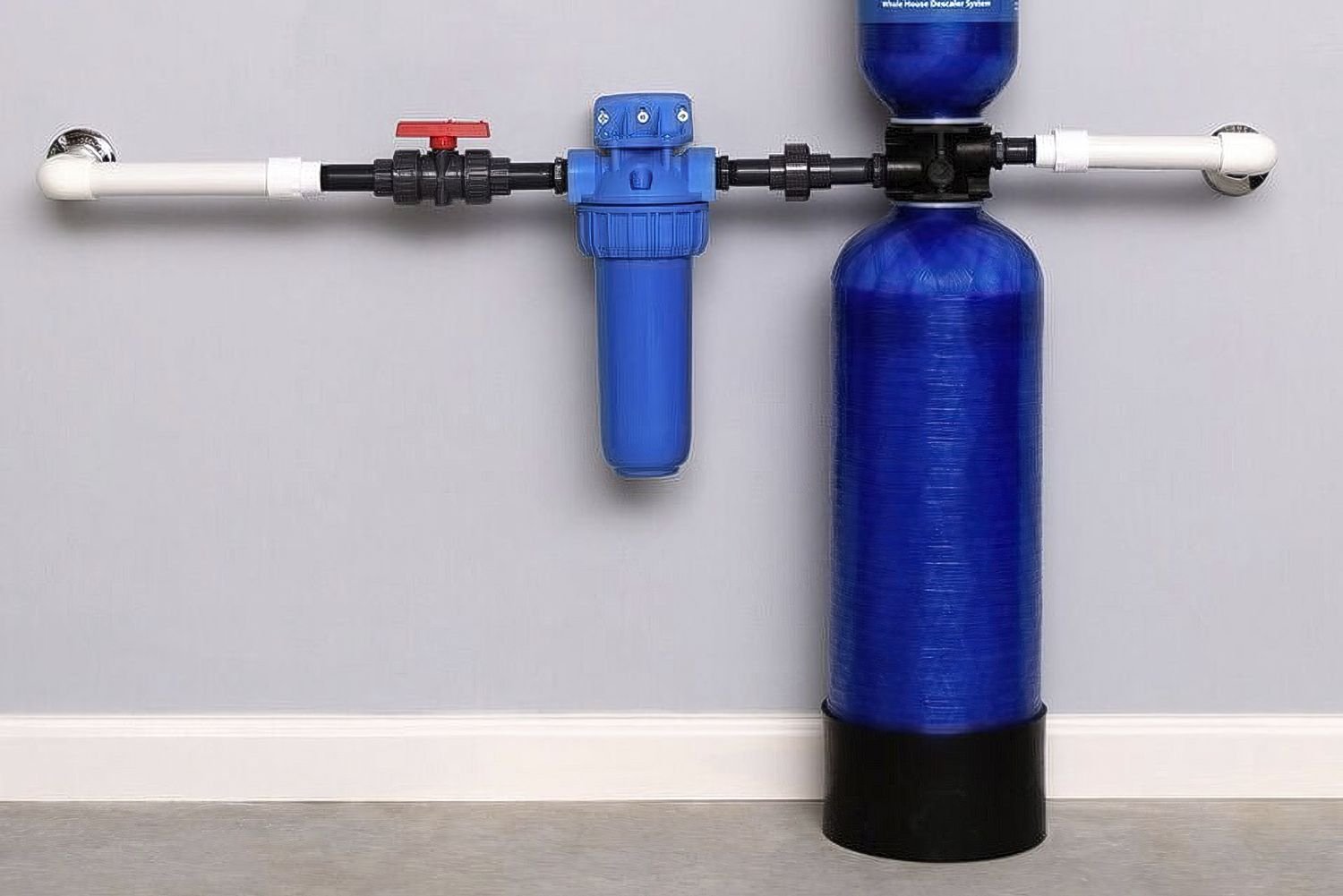
Every plumbing system is only as dependable as the pieces inside it. Pipes, fittings, valves, connectors, water heaters, drains, and fixtures all have to handle daily use. When cheap parts are used, the system may work for a while, but small failures can show up sooner than expected.
Using quality materials helps reduce leaks, corrosion, weak connections, and repeat repairs. It also gives property owners more confidence that the work will hold up after the plumber leaves. This matters even more for hidden plumbing, because nobody wants to open a wall twice for the same problem.
Inspection Comes Before Good Advice
A plumbing issue is not always what it first appears to be. A slow drain might be a simple blockage, or it might be a deeper sewer line concern. Low water pressure could come from old pipes, mineral buildup, a failing valve, or a problem with the main line.
That is why a comprehensive assessment is so valuable. Before recommending a repair, a good plumber should look at the full situation. They may check pressure, inspect visible piping, test fixtures, look for moisture, or use diagnostic tools when needed. The goal is simple: understand the real cause before spending money on a solution.
Installation and Repair Should Be Done With Care
Plumbing work can look simple from the outside, but details matter. A pipe cut slightly wrong, a loose connection, poor drain slope, or incorrect fixture setup can create problems later. Sometimes those mistakes do not show up immediately, which makes them even more frustrating.
Professional installation/repair focuses on doing the job correctly from the start. Whether it is a new water line, fixture replacement, pipe repair, water heater installation, or drain service, the work should be tested, cleaned up, and built for everyday use.
Small Problems Are Usually Warnings
A dripping faucet, damp cabinet, running toilet, slow drain, or strange sound in the pipes may not feel urgent. Many people ignore these signs because life is busy and the issue seems small. But plumbing problems rarely stay exactly the same.
Water can spread into flooring, drywall, insulation, and cabinets. Drain buildup can become a full clog. A weak valve can turn into a leak. These small warnings are often the best chance to fix something before it becomes expensive.
Homes and Businesses Need Different Planning
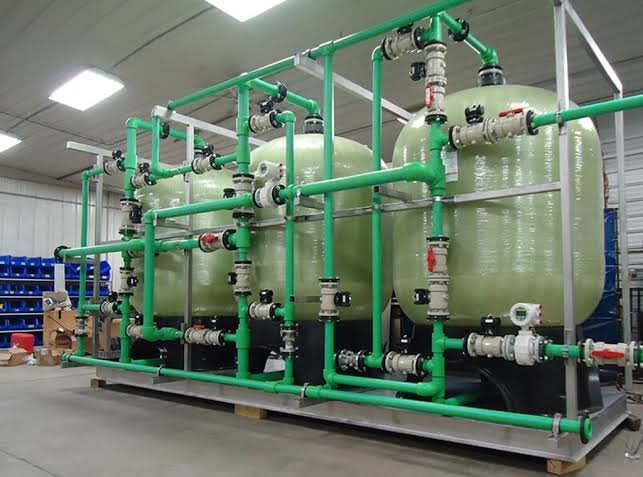
Residential plumbing is built around comfort and daily routines. Families need dependable bathrooms, kitchens, laundry areas, outdoor water access, and hot water. Commercial plumbing usually handles heavier use and tighter timelines. A restroom issue, blocked drain, or broken water line can affect customers, staff, tenants, or production.
That is why plumbing service should match the property. A good plumber looks at how the system is used, how old it is, and what kind of demand it faces. The right solution for a home may not be the same solution for a business, even if the problem sounds similar.
Maintenance Helps Avoid Emergencies
Regular plumbing maintenance is easy to overlook, but it can save a lot of trouble. Water heater checks, drain cleaning, leak detection, pressure testing, and pipe inspections can reveal issues early. For older buildings, rental properties, and busy commercial spaces, this kind of care is especially useful.
Maintenance also helps property owners plan ahead. Instead of being surprised by a major failure, they can handle repairs or upgrades before the system becomes unreliable.
Honest Communication Matters
People appreciate clear explanations. Nobody wants confusing technical talk or vague pricing when plumbing is involved. A trustworthy plumber explains what is wrong, what options are available, and what each choice means for the property.
Sometimes a small repair is enough. Sometimes replacement is smarter. Sometimes waiting may create more damage. Clear communication helps property owners make decisions without pressure or guesswork.
Final Thoughts
Long-lasting plumbing is built on more than tools and pipes. It comes from careful assessment, good materials, proper workmanship, and practical advice. When these things come together, the system works quietly and reliably.
And that is really the point. Good plumbing should not create stress. It should support the property every day, without demanding attention every week.