There are certain things in a home you only notice when they stop doing their job. The refrigerator, the internet, the heating system—and, of course, hot water.
A normal morning doesn’t involve thinking about how water gets heated. You turn on the shower, wait a moment, and expect warm water. It’s almost automatic. But behind that simple experience is a system that works every day, often for years, without much attention.
When something changes, though, the signs can be hard to miss. The water isn’t getting hot enough. The shower goes cold too quickly. Strange noises come from the tank. Maybe there’s water collecting around the base.
Understanding how a water heater works can help you spot these warning signs early and make better decisions about maintenance, repair, or replacement.
How Your Water Heater Does Its Job
Traditional storage water heaters keep a supply of hot water in a tank so it’s ready when you need it. A heating element or burner raises the water temperature, while insulation helps keep that heat from escaping too quickly.
When someone opens a hot-water tap, heated water leaves the tank and cooler water enters to replace it. The heating system then works to bring the new water back up to the desired temperature.
It sounds simple enough, but several components have to work together for the process to run smoothly.
Temperature controls, heating elements, burners, valves, pipes, insulation, and safety devices all play a role. If one component begins to fail, the whole system can start behaving differently.
That’s why water heater functioning isn’t just about whether the water gets hot. Consistency, safety, efficiency, and recovery time all matter.
The Signs Something Isn’t Quite Right
Water heaters don’t always fail suddenly. Often, they give you plenty of clues.
One of the most common is inconsistent temperature. If the shower starts hot but becomes cold much sooner than it used to, there could be an issue with the heating system, thermostat, or available hot-water capacity.
Then there are the noises. A little operational sound can be normal, but repeated popping, rumbling, or banging may indicate sediment buildup inside a storage tank.
Rust-colored water is another reason to pay attention, especially when it consistently comes from the hot-water side. And if you notice moisture around the tank, don’t assume it’s just condensation.
A leak can start small and become much larger.
Tankless Systems Offer a Different Approach
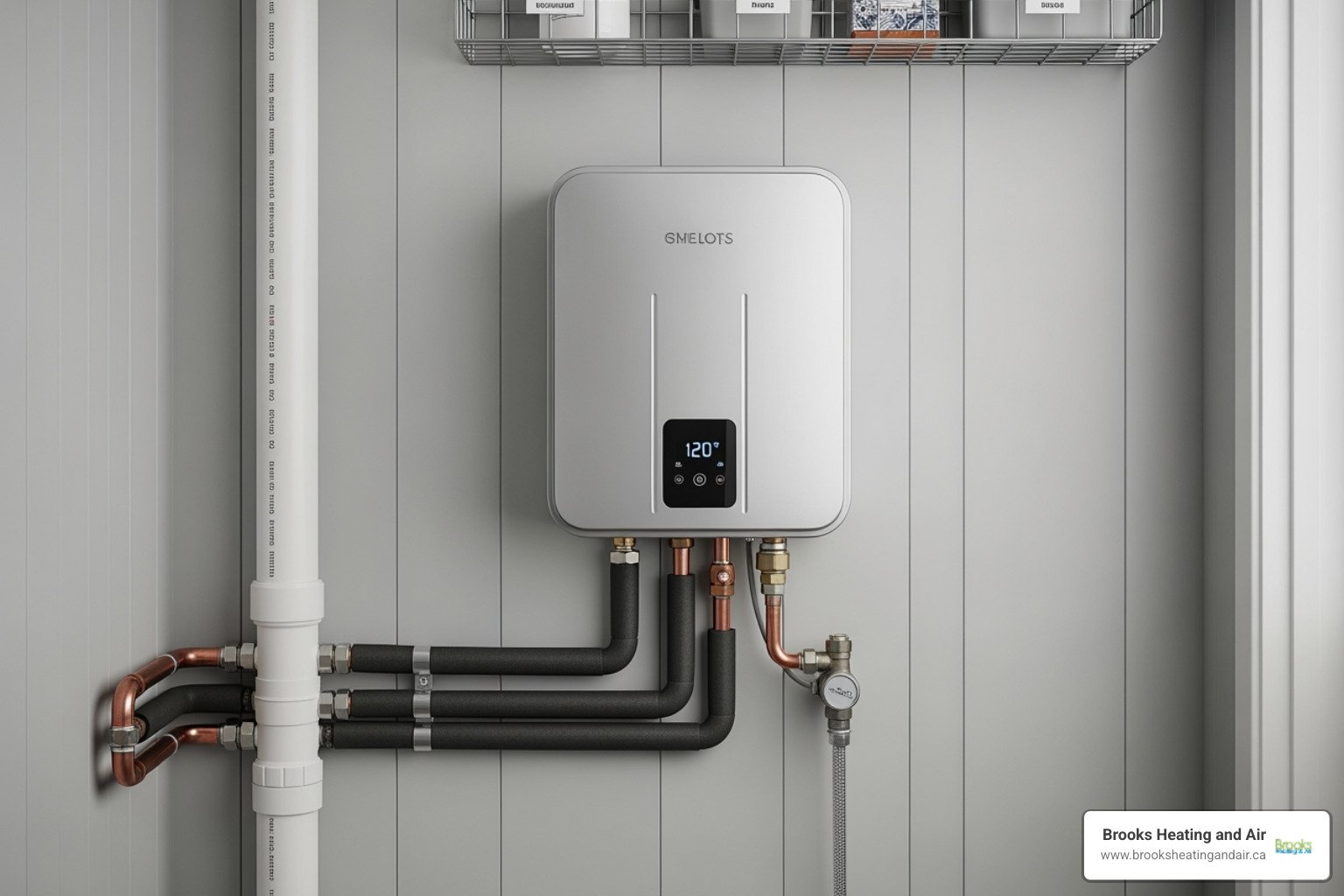
Traditional tanks aren’t the only option anymore. Tankless water heaters heat water as it passes through the system instead of storing a large volume in a tank.
That design can be appealing for homeowners who want hot water without maintaining a constantly heated storage tank. Tankless units can also save space, which is handy in smaller homes or utility areas where every square foot matters.
But tankless doesn’t automatically mean better for everyone.
The unit needs to be properly sized for the household’s demand. If several showers, appliances, and faucets require hot water at once, the system needs enough capacity to handle that flow.
Installation requirements can also differ from those of traditional units. Gas-powered tankless systems, for example, may require appropriate venting and gas-line capacity.
So the question isn’t simply, “Is tankless better?” It’s “Is tankless suitable for this home?”
Maintenance Can Prevent Unpleasant Surprises
Water heaters are easy to forget. If they’re tucked away in a garage, basement, or utility closet, months can pass without anyone taking a proper look.
That’s not ideal.
Occasional inspection can help catch leaks, corrosion, damaged connections, or other visible issues. Depending on the type and age of the heater, professional maintenance may also help address sediment or mineral buildup.
Water quality plays a role here, too. Homes with hard water can experience more mineral deposits, which may affect plumbing fixtures and water-heating equipment over time.
You don’t have to become obsessed with maintenance. Just don’t wait until there’s water covering the floor.
Choosing a Service Provider Matters
When a water heater needs professional attention, the quality of the service matters almost as much as the equipment itself.
A provider offering reliable service should be willing to explain what is happening, identify the likely cause, and discuss practical repair or replacement options. You shouldn’t feel pressured into buying a new system simply because an older component needs attention.
Ask questions. How old is the heater? What exactly failed? Is the repair likely to last? Would replacement make more financial sense?
Clear answers are a good sign.
For larger jobs, it’s also sensible to understand the estimated labor, equipment, warranty, and any additional installation requirements before the work begins.
Simple Habits Can Help at Home
There are a few things homeowners can do without touching the complicated parts of the system.
Keep the area around the water heater clear. Check for visible leaks occasionally. Pay attention to unusual sounds. Don’t ignore sudden changes in water temperature.
If you’re leaving home for an extended period, understanding how to safely manage the water heater can also be useful. For specific settings or shutdown procedures, follow the manufacturer’s instructions or ask a qualified professional.
And if your water heater uses gas, never attempt to repair gas components unless you’re properly qualified to do so. A suspected gas leak should be treated as a safety issue, not a DIY project.
The Best Water Heater Is the One That Fits Your Life
There isn’t a single perfect water heater for every household.
A small apartment may have very different needs from a large family home. A property with limited utility space may benefit from a compact system, while another household may prioritize high hot-water demand or energy efficiency.
The important thing is to consider the whole picture: household size, water usage, available energy source, installation requirements, maintenance needs, and long-term operating costs.
Most importantly, don’t wait until the system fails completely before thinking about it.
A water heater is one of those appliances that quietly supports your daily routine. Give it a little attention, listen when it starts behaving differently, and get professional help when the problem goes beyond a simple check.
Hot water should feel ordinary. That’s the goal. When everything is working properly, you can get on with your morning, take that long shower, and never think about what’s happening behind the scenes.