Water is one of those everyday essentials that’s easy to overlook. We drink it, cook with it, shower in it, wash clothes, clean dishes—it quietly supports almost every part of our daily lives. Yet many homeowners never stop to think about what’s actually in their water until something starts going wrong.
Maybe you’ve noticed stubborn white spots on your faucets. Perhaps your showerhead keeps clogging, your towels feel rough, or your water heater doesn’t seem as efficient as it used to be. These small annoyances often have a common cause: hard water.
Hard water isn’t unusual. In fact, millions of homes deal with it every day. The good news is that once you understand how it affects your home, it’s much easier to make informed decisions about improving your water quality.
What Makes Water “Hard”?
Hard water contains naturally dissolved minerals collected as groundwater travels through layers of rock and soil. These minerals aren’t added artificially—they’re simply part of nature’s filtration process.
The two minerals most commonly responsible are calcium and other naturally occurring compounds that dissolve into water supplies. While these minerals are generally safe to consume, they can create ongoing challenges throughout your home over time.
Unlike visible contaminants, hard water usually looks perfectly clear. That’s why many homeowners don’t realize they have it until mineral buildup starts becoming impossible to ignore.
Small Signs Often Point to Bigger Problems
The earliest symptoms of hard water are surprisingly subtle.
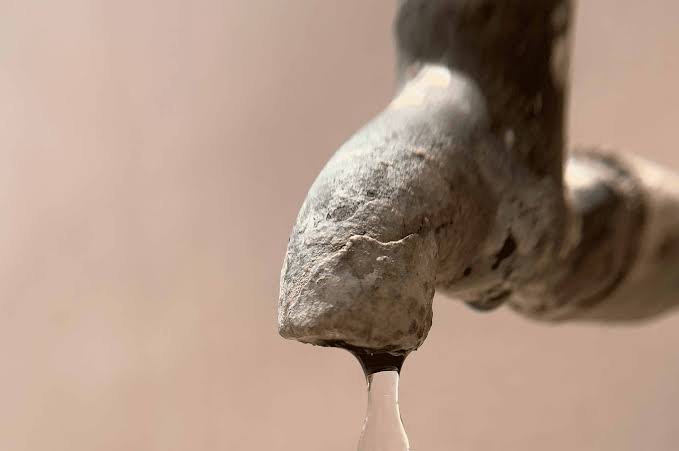
Soap refuses to lather the way it should. Glasses come out of the dishwasher looking cloudy instead of sparkling. Bathroom fixtures develop stubborn white deposits that seem to return just days after cleaning.
Most people simply assume these are normal household inconveniences.
They’re not.
Those visible stains represent minerals left behind every time water evaporates. If they’re collecting on your sink or shower door, similar deposits are slowly accumulating inside plumbing pipes and household equipment where you can’t easily see them.
That’s where the real costs begin.
Why magnesium Matters More Than You Think
Another major contributor to hard water is magnesium . Like calcium, it’s naturally present in many groundwater sources and is completely normal in many regions.
The challenge isn’t that magnesium exists—it’s the amount present.
When water contains higher concentrations of these minerals, they gradually form scale inside pipes, fixtures, and heating elements. Even thin layers of mineral deposits reduce efficiency by making equipment work harder than necessary.
Think of it like wearing a heavy winter coat while trying to exercise. Everything still works, but it takes noticeably more effort.
Over time, those extra demands often translate into higher utility bills and more frequent maintenance.
Your Appliances Feel the Effects Too
Many homeowners focus on drinking water quality without realizing that hard water impacts almost every room in the house.
Your dishwasher has to remove mineral residue from dishes.
Your washing machine struggles to rinse detergent completely.
Your water heater spends more energy heating through mineral buildup.
Coffee makers slowly collect internal scale.
Ice makers may lose efficiency over time.
Collectively, these water-using appliances experience extra wear that gradually shortens their lifespan. Individually, the difference might seem minor. Together, the long-term costs can become surprisingly significant.
Replacing appliances is far more expensive than preventing unnecessary wear in the first place.
Better Water Can Improve Everyday Comfort
One of the biggest surprises homeowners report after addressing hard water isn’t lower maintenance costs.
It’s how different everyday routines begin to feel.
Showers leave skin feeling less dry.
Hair becomes easier to manage.
Soap rinses away more completely.
Laundry often feels softer without changing detergents.
Even making tea or coffee can become a noticeably better experience because minerals no longer interfere with flavor quite as much.
These improvements aren’t dramatic overnight transformations. They’re small quality-of-life upgrades that quietly add up day after day.
Why Water Testing Is Worth It
It’s tempting to diagnose water problems based on internet searches or recommendations from friends.
Unfortunately, water chemistry isn’t universal.
One neighborhood may have moderately hard municipal water, while another relies on well water containing entirely different mineral levels. Even homes just a few streets apart can experience noticeable differences.
Professional water testing provides a clear picture of what’s actually flowing through your plumbing. Instead of guessing, homeowners receive information that helps them choose treatment options based on real data rather than assumptions.
That usually leads to better long-term results and fewer unnecessary purchases.
Choosing Solutions That Fit Your Home
Not every household needs the same type of water treatment.
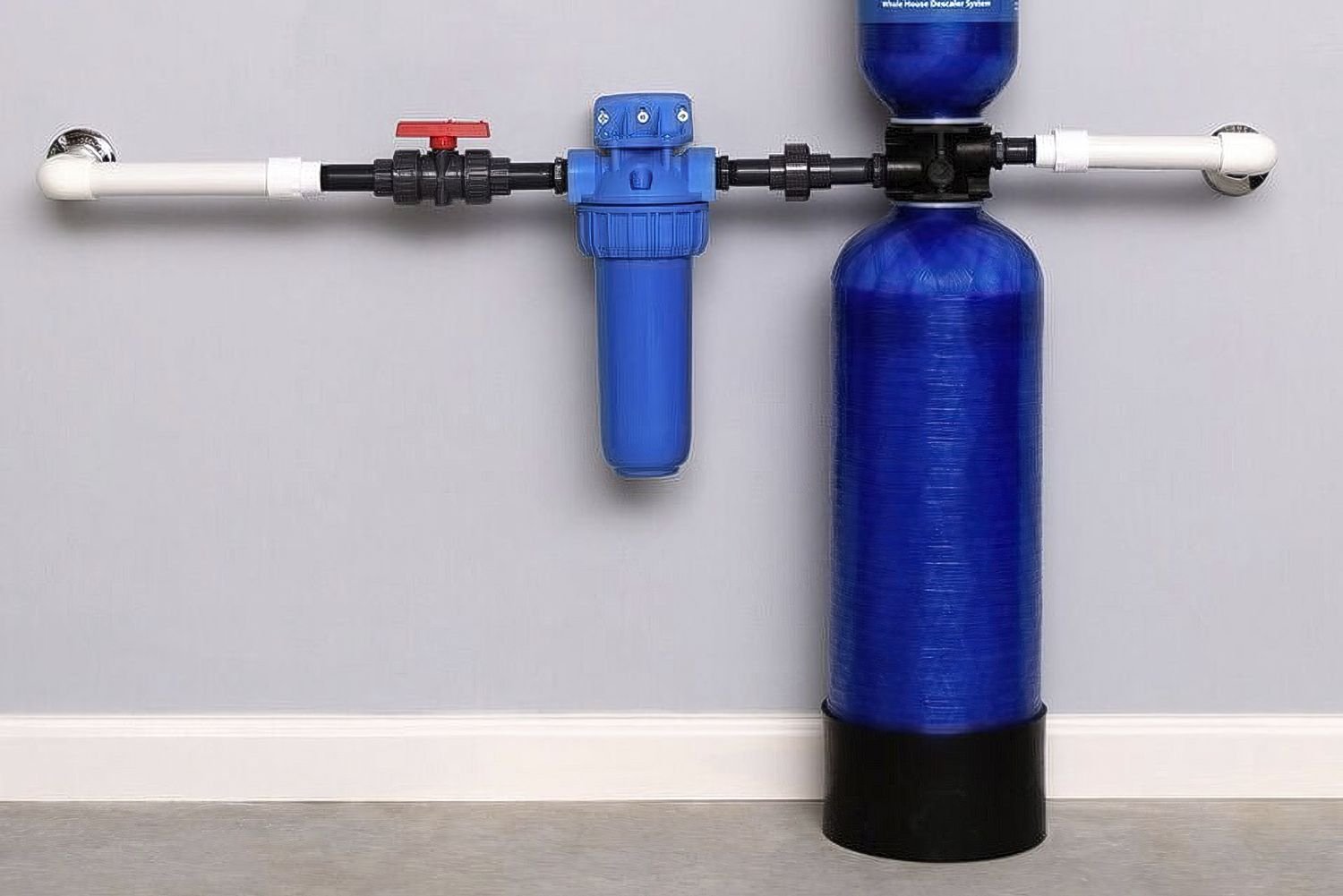
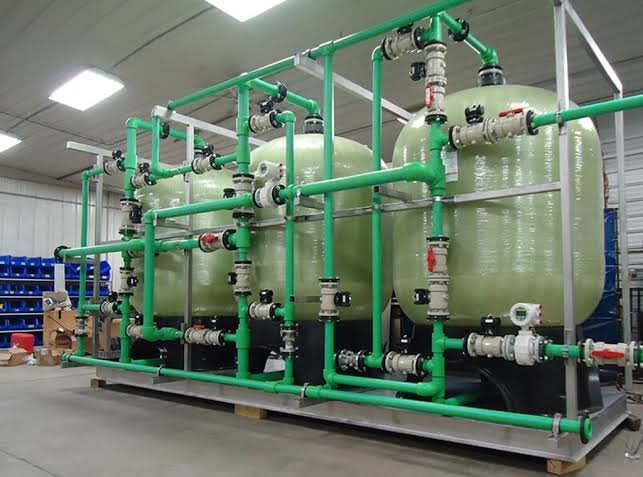
Some homes benefit primarily from water softening. Others may require filtration to improve taste or reduce sediment. Homes supplied by private wells sometimes need specialized treatment depending on local water conditions.
The important thing isn’t buying the biggest or most expensive system.
It’s selecting equipment that addresses your home’s specific needs while remaining easy to maintain over time.
A well-matched system often performs better than a larger system chosen without proper testing.
Maintenance Doesn’t Have to Be Difficult
People sometimes hesitate because they assume water treatment systems require constant attention.
Modern systems are generally designed for convenience.
Routine maintenance usually involves replacing filters when needed, checking settings occasionally, or adding softener salt depending on the type of equipment installed. Most homeowners quickly discover that these small maintenance tasks are far easier than constantly cleaning mineral stains or replacing damaged fixtures.
Like changing your car’s oil, regular care helps everything continue operating efficiently.
Cleaner Water, Greater Peace of Mind
Improving water quality isn’t simply about avoiding scale buildup or reducing cleaning time.
It’s about creating a home that functions more smoothly.
When plumbing stays cleaner, appliances last longer, laundry feels softer, and everyday tasks become just a little easier, those improvements naturally add value over the years.
Many home upgrades focus on appearance. Better water improves something far more important—how your home performs every single day.
If you’ve been living with stubborn stains, rough laundry, clogged fixtures, or inefficient appliances, it may be worth taking a closer look at your water. Sometimes the biggest improvements come from solving the problems you rarely notice until they’re finally gone.
Better water doesn’t change your home overnight. It simply makes daily life feel a little cleaner, a little easier, and a lot more comfortable—and that’s a worthwhile investment for any household.