Water has a funny way of fading into the background. It’s always there when we need it—filling the coffee pot before sunrise, rinsing vegetables for dinner, washing muddy shoes after a rainy afternoon, or running through the shower after a long day. Most of us don’t think much about it until something feels off.
Maybe your dishes never seem completely spotless. Perhaps your skin feels unusually dry, your laundry comes out stiff, or the faucet slowly develops those stubborn white stains that refuse to disappear. They’re small annoyances at first, but together they often point toward one thing: the quality of your water.
The good news? Water issues aren’t something you simply have to live with. Understanding what’s flowing through your plumbing is often the first step toward creating a healthier, more efficient home.
Water Quality Isn’t the Same Everywhere
One of the biggest misconceptions is that all tap water is essentially identical. In reality, water changes dramatically depending on where it comes from.
Homes connected to municipal supplies receive treated water, but treatment focuses primarily on safety rather than improving hardness or taste. Meanwhile, private wells draw directly from underground sources, where mineral content can vary significantly from one property to another.
Even neighbors living only a few miles apart may experience completely different water conditions.
That’s why understanding your home’s specific water characteristics matters far more than relying on general assumptions.
The Hidden Cost of Hard Water
Hard water isn’t usually harmful to drink, but it certainly leaves its mark around the house.
Minerals such as calcium and magnesium gradually settle inside plumbing, water heaters, dishwashers, washing machines, and even coffee makers. The buildup happens slowly enough that most homeowners don’t notice it until appliances begin losing efficiency or require repairs.
Soap presents another challenge. Instead of dissolving completely, it reacts with those minerals, creating residue that clings to sinks, showers, dishes, and clothing.
The result?
You often end up using more detergent, more shampoo, more cleaning products, and more time scrubbing surfaces that never seem completely clean.
It can become an expensive cycle without anyone realizing the root cause.
Different Water Sources Need Different Approaches
Municipal water systems and private wells each come with unique challenges.
City water has already gone through treatment facilities before reaching homes, but it may still contain hardness minerals, chlorine, sediment, or other dissolved materials that affect everyday use. That’s why many homeowners explore city water refining solutions designed to improve taste, reduce mineral buildup, and provide a better overall water experience without changing the safety of the supply.
Private wells present a different situation altogether.
Because well water comes directly from underground aquifers, it often carries naturally occurring minerals in much higher concentrations. Iron staining, sulfur odors, manganese, and excessive hardness are common concerns depending on the region.
Every property has its own water chemistry, making testing especially valuable before choosing any treatment equipment.
Living With Well Water Doesn’t Mean Living With Water Problems
Many people love having a private well because it offers independence from municipal systems. Still, maintaining consistent water quality sometimes requires additional attention.
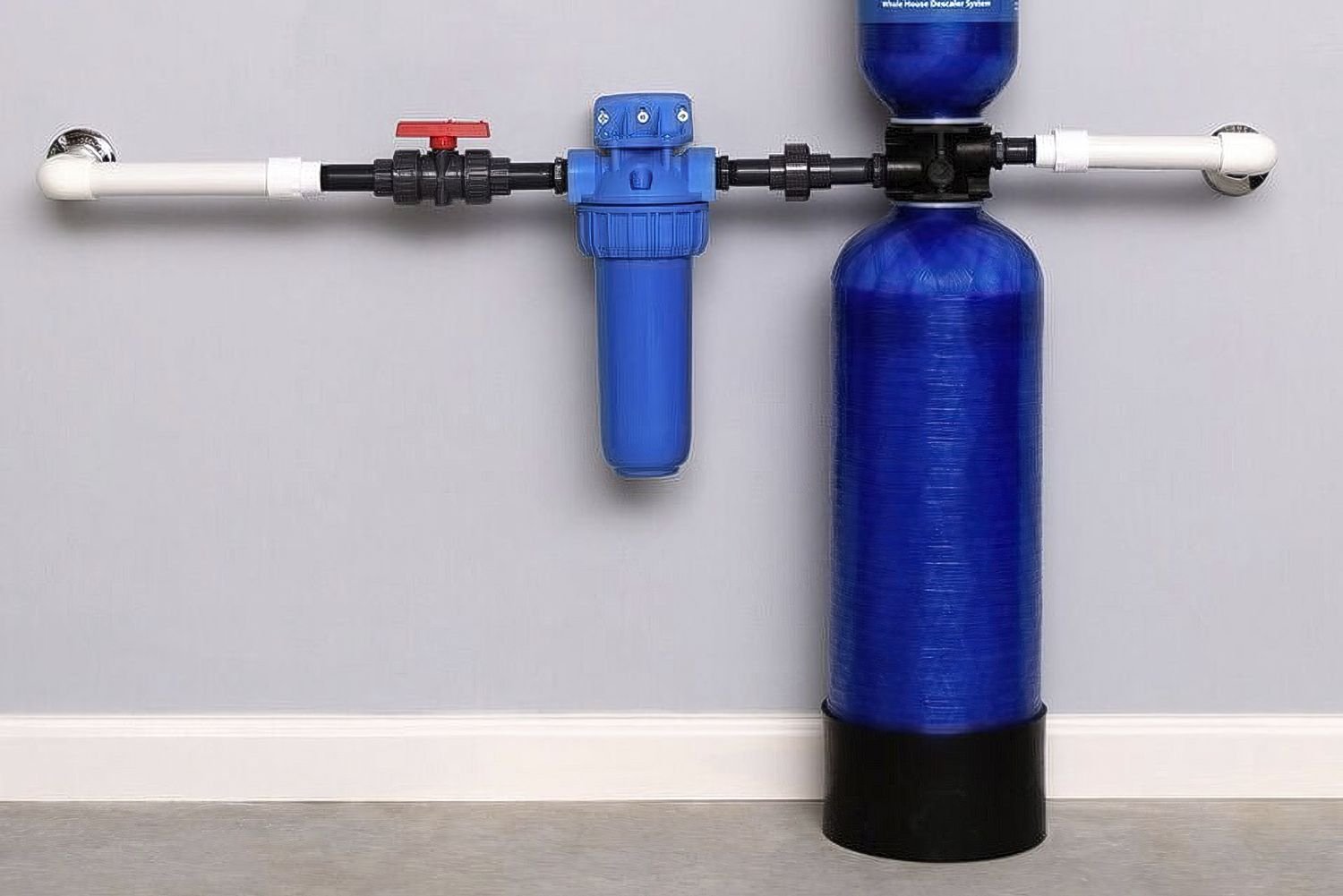
Choosing well water softening solutions allows homeowners to address hardness while protecting plumbing fixtures, water heaters, and household appliances from excessive mineral accumulation.
Families often notice improvements beyond equipment protection.
Showers feel more comfortable.
Hair becomes easier to rinse.
Laundry feels softer.
Cleaning bathrooms becomes noticeably less frustrating because soap residue doesn’t cling as stubbornly to surfaces.
These everyday improvements might seem small individually, yet together they make a home feel noticeably more comfortable.
Better Water Supports Better Efficiency
Think about how many appliances rely on water every single day.
Water heaters.
Dishwashers.
Ice makers.
Coffee machines.
Washing machines.
Even small amounts of scale buildup force these appliances to work harder than intended.
Heating elements coated with mineral deposits require more energy. Water flow gradually decreases as pipes accumulate scale. Maintenance becomes more frequent, while equipment lifespan slowly shortens.
Improving water quality doesn’t eliminate every maintenance task, of course, but it often reduces unnecessary wear before it becomes costly.
That’s one reason homeowners increasingly view water treatment as preventative maintenance rather than simply another household upgrade.
Finding a Solution That Fits Your Home
There’s no universal answer because every home’s water profile is different.
Some properties struggle primarily with hardness.
Others deal with iron staining.
Some notice unpleasant tastes or odors, while others experience combinations of several issues at once.
That’s why professional water testing remains such an important starting point. Instead of guessing, homeowners receive a clearer understanding of what’s actually present in their water.
From there, selecting reliable water softening solutions becomes much easier because the equipment can be matched to real conditions instead of assumptions.
The right system isn’t necessarily the largest or most expensive one. It’s the one designed to solve the specific problems affecting your household.
Everyday Benefits That Often Surprise People
Most people initially think about cleaner dishes or fewer faucet stains.
Those improvements certainly happen, but they’re rarely the only changes families notice.
Soap tends to lather more effectively.
Less detergent may be needed during laundry.
Glassware stays clearer.
Bathroom fixtures require less aggressive cleaning.
Even favorite beverages like tea or coffee sometimes develop a smoother flavor because excess minerals no longer compete with the natural ingredients.
Many homeowners also appreciate that towels remain fluffy instead of becoming rough after repeated washing.
It’s one of those upgrades that quietly improves dozens of everyday routines without demanding constant attention.
Thinking Long Term Instead of Short Term
Home improvement projects often focus on things people can immediately see—fresh paint, new flooring, updated kitchens, or landscaping.
Water quality rarely receives the same excitement, even though it influences nearly every room in the house.
Every shower.
Every load of laundry.
Every dishwasher cycle.
Every meal prepared in the kitchen.
Because water touches so many parts of daily life, improving it often provides lasting value long after the installation is complete.
It’s less about chasing luxury and more about reducing unnecessary wear, improving comfort, and making ordinary routines feel just a little easier.
A Better Home Starts With Better Water
Sometimes the most meaningful improvements happen quietly.
You stop noticing mineral stains on fixtures. Your appliances work more efficiently. Towels feel softer, soap rinses away more easily, and cleaning no longer feels like an endless battle against hard water deposits.
Those little moments add up over months and years.
Whether your home relies on municipal service or a private well, paying attention to water quality is an investment in comfort, efficiency, and long-term savings. The water flowing through your home every day deserves more consideration than most of us give it—and once you experience the difference that properly treated water can make, it’s surprisingly difficult to imagine going back.