There’s something easy to overlook about the water flowing through our homes. It’s always there—filling the kettle before sunrise, rinsing vegetables for dinner, running through the shower after a long day. Because it’s so familiar, most of us rarely stop to think about what’s actually in it.
The truth is, water quality isn’t the same everywhere. Even homes on the same street can experience different levels of minerals, chlorine, sediment, or other contaminants depending on plumbing, municipal treatment, or private well conditions. That’s why more homeowners are paying closer attention to what comes out of the tap. They aren’t chasing perfection; they’re simply looking for cleaner, safer, and better-tasting water that fits everyday life.
Understanding What’s Really in Your Water
Water can look crystal clear and still contain dissolved minerals or substances you can’t see. Hard water, for example, often carries high amounts of calcium and magnesium. While these minerals aren’t necessarily harmful to drink, they can create frustrating household problems over time.
You might notice white spots on dishes, soap that refuses to lather properly, stiff laundry, or mineral buildup around faucets. These are small annoyances individually, but together they become expensive. Appliances work harder, plumbing wears faster, and cleaning suddenly takes much more effort than it should.
Every home tells a slightly different story, which is why testing water before choosing a treatment option often makes far more sense than relying on assumptions.
Why So Many Families Choose Water Softening
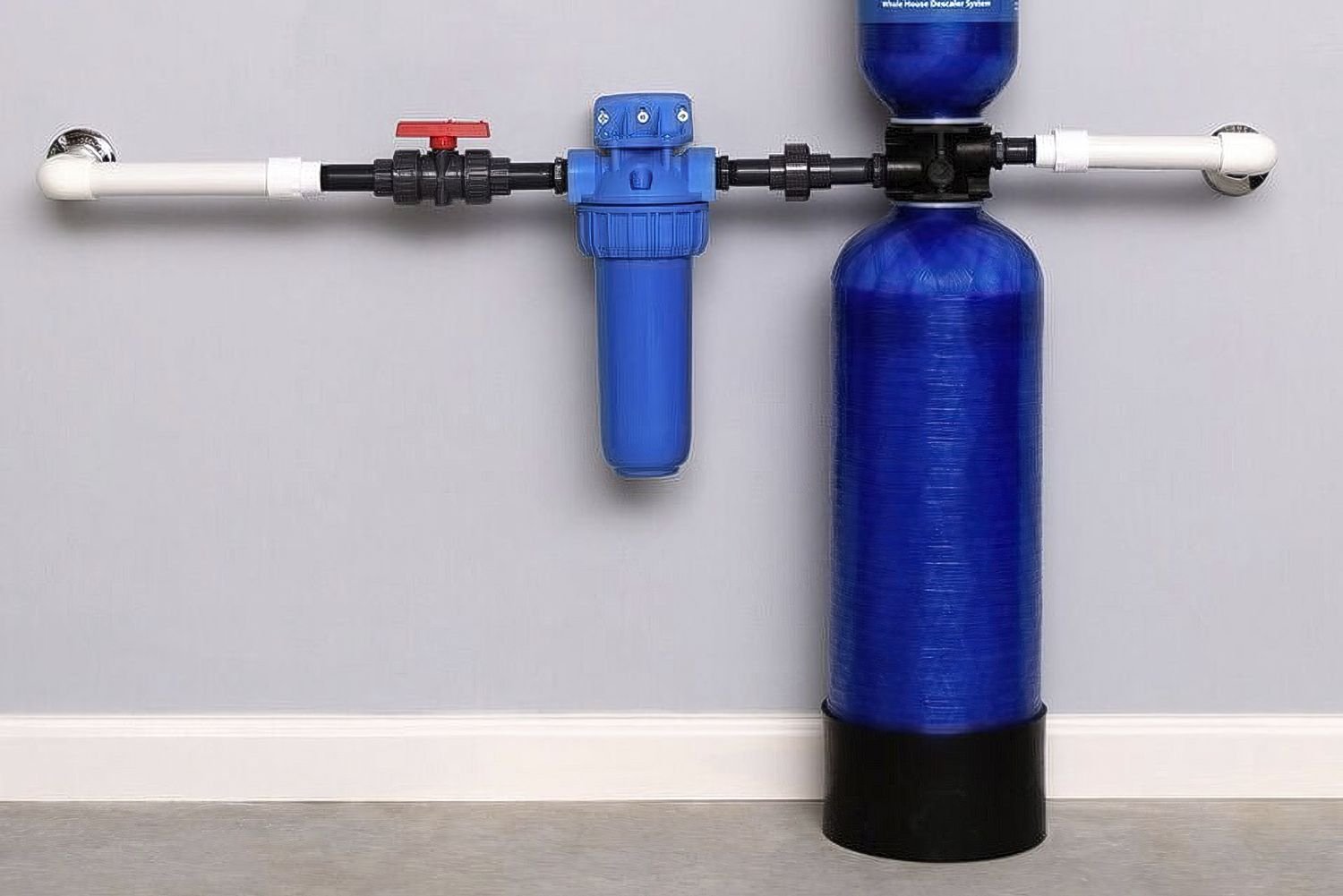
If hard water is your biggest concern, installing whole house reverse osmosis system can make an immediate difference throughout the house. These systems remove excess hardness minerals before water reaches showers, washing machines, dishwashers, and other fixtures.
The improvements aren’t always dramatic overnight, but they’re noticeable. Soap rinses away more easily. Towels often feel softer. Scale buildup slows considerably, and many homeowners find themselves spending less time scrubbing sinks and shower doors.
There’s another benefit people sometimes forget about—appliance longevity. Water heaters, coffee machines, washing machines, and dishwashers generally perform better when mineral deposits aren’t constantly building inside them. Over several years, that can translate into lower maintenance costs and fewer unexpected repairs.
Clean Drinking Water Deserves Special Attention
While softened water helps with household performance, drinking water has its own set of priorities. Many people want to reduce chlorine taste, dissolved contaminants, or other unwanted substances before filling a glass.
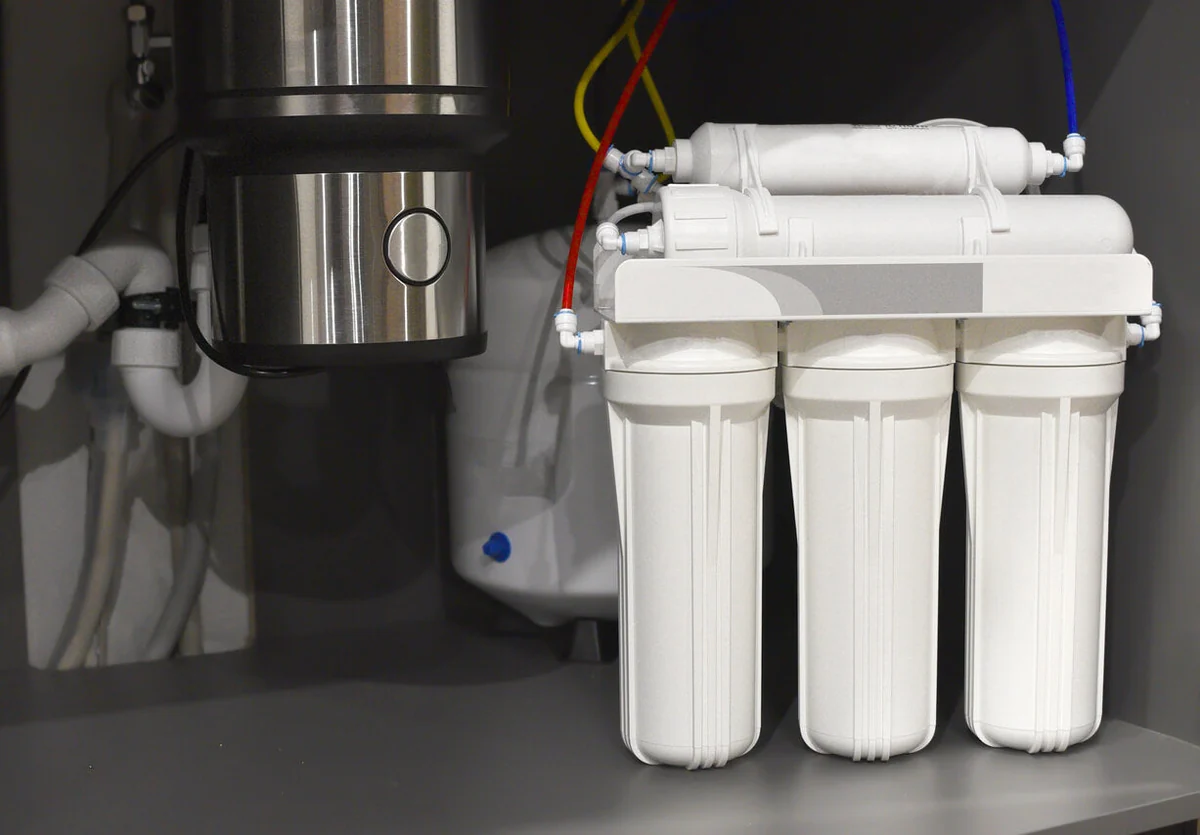
That’s where water softeners have earned their reputation. Using multiple filtration stages and a semi-permeable membrane, these systems remove a wide range of dissolved impurities that standard filters often leave behind.
The result is water that’s noticeably cleaner in taste and smell. Coffee tastes richer. Ice cubes become clearer. Even homemade soups and tea often benefit because the water itself isn’t competing with added flavors.
For families trying to improve everyday hydration, these small improvements add up surprisingly quickly.
When Whole-Home Filtration Makes Sense
Some homeowners want more than filtered drinking water. They’d rather improve every drop entering the house—from bathroom faucets to laundry rooms and outdoor fixtures.
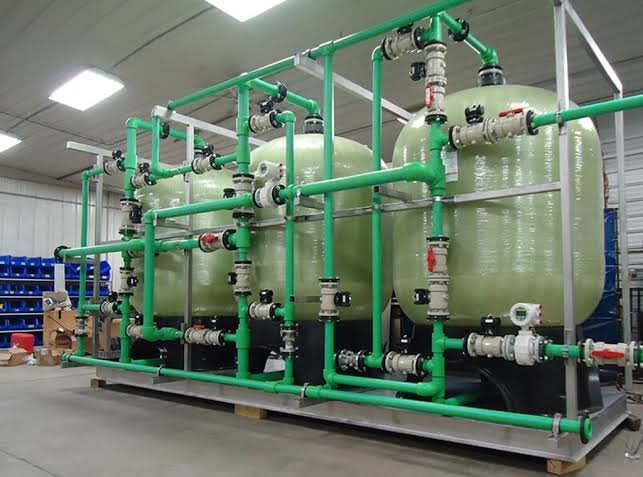
In situations where source water contains elevated contaminants, a reverse osmosis systems may provide the comprehensive solution they’re looking for. Instead of treating only kitchen drinking water, these systems filter water before it’s distributed throughout the home’s plumbing network.
Of course, this isn’t necessary for every property. Whole-home systems require more space, greater investment, and regular maintenance. But for homes relying on challenging well water or areas with complex water quality concerns, the added protection can be well worth considering.
Choosing the right setup depends less on marketing claims and more on understanding what your household actually needs.
Every Home Has Different Water Challenges
One mistake people sometimes make is assuming that what worked perfectly for a friend will automatically work for them. Water treatment doesn’t really work that way.
A family using city water may primarily want to reduce chlorine taste and odor. Someone living in a rural area could be dealing with iron, sulfur, manganese, sediment, or bacteria. Another household may simply be frustrated by extremely hard water damaging plumbing fixtures.
That’s why professional water testing remains such an important first step. Instead of guessing, homeowners receive information based on actual water conditions, making it much easier to invest in equipment that solves the real problem rather than creating unnecessary expense.
Maintenance Matters More Than Most People Expect
Installing a filtration system isn’t the finish line—it’s the beginning of maintaining better water quality.
Filters eventually become saturated. Membranes wear out. Water softening systems require salt replenishment and occasional servicing. Ignoring maintenance doesn’t usually cause immediate failure, but performance gradually declines until homeowners wonder why their water no longer tastes or feels the way it once did.
Fortunately, most maintenance schedules are simple. Replacing cartridges on time and following manufacturer recommendations helps keep systems operating efficiently for years.
Think of it like changing the oil in a car. A little routine care prevents much bigger headaches later.
Looking Beyond Cost Alone
It’s natural to compare price tags first. Water treatment equipment ranges from affordable under-sink filters to advanced whole-home installations costing several thousand dollars.
Still, purchase price tells only part of the story.
Long-term value often comes from reduced bottled water purchases, fewer appliance repairs, less soap consumption, cleaner plumbing fixtures, and greater convenience every single day. Those savings aren’t always obvious on day one, but many homeowners notice them over time.
More importantly, there’s something reassuring about knowing the water your family drinks, cooks with, and bathes in has been treated according to your home’s specific needs.
That’s difficult to assign a dollar value to.
Better Water Is About Everyday Comfort
Home improvements don’t always need to be dramatic to make life noticeably better. Sometimes it’s the little things—a shower that feels nicer, dishes without cloudy spots, coffee that tastes cleaner, or confidence in the water filling your child’s bottle—that quietly improve everyday routines.
Whether your priority is reducing hard water, improving drinking water quality, or treating your home’s entire water supply, the right solution starts with understanding your water instead of guessing.
Clean water isn’t about chasing luxury. It’s about creating a healthier, more comfortable home where simple daily moments become just a bit better, one glass and one faucet at a time.