There’s something easy to take for granted about water. Turn on the kitchen tap, fill a glass, and drink. It feels simple because, most of the time, it is. But the water coming into your home has traveled through pipes, treatment systems, soil, storage tanks, and sometimes private wells before it ever reaches your faucet. Along the way, its quality can be affected by minerals, aging plumbing, natural materials, and other substances.
That doesn’t automatically mean your water is unsafe. It does mean water quality deserves a little attention.
Understanding what’s actually in your drinking water can help you make smarter choices about filtration, treatment, and everyday use. After all, clear water isn’t necessarily the same thing as clean water.
Why Water Quality Can Vary From Home to Home
Two houses on the same street can have noticeably different water. One might have a metallic taste, while another has a strong chlorine smell. Someone using well water may deal with staining or sediment, while a city-water customer may notice a different set of issues.
The source of the water is one reason. Municipal water supplies are generally treated before distribution, but the condition of local plumbing can still influence what comes out of the tap. Private wells, meanwhile, depend heavily on the surrounding geology and regular testing.
Another factor is the mineral content. Water naturally picks up substances as it moves through rock and soil. Some are harmless and simply affect taste or appearance. Others may contribute to scale, staining, or unpleasant odors.
This is why guessing based on taste alone isn’t the best approach.
What Are Dissolved Solids?
One term you’ll often hear when discussing water quality is dissolved solids. These are minerals, salts, metals, and other substances that are dissolved in water rather than floating around as visible particles.
Calcium and magnesium, for example, are common naturally occurring minerals. They’re not automatically a bad thing. In fact, some minerals in drinking water are perfectly normal. The trouble comes when levels are excessive or when particular substances are present that you’d rather not consume.
High levels of dissolved material can sometimes affect taste, leave residue on fixtures, or make water feel different when you drink it. In areas with hard water, minerals can also contribute to scale buildup inside faucets, water heaters, dishwashers, and other appliances.
Testing is the sensible first step. Instead of installing a treatment system simply because your water “feels” hard or tastes unusual, a proper water analysis can identify what you’re actually dealing with.
Clear Water Isn’t Always Clean Water
Our eyes are surprisingly poor water-quality detectors. If water looks clear and doesn’t smell strange, most of us assume it’s fine. Understandable, but appearances don’t tell the whole story.
Some harmful contaminants can be present without changing the color, smell, or taste of water. Depending on the water source and local conditions, testing may look for substances such as lead, certain chemicals, microorganisms, nitrates, or other pollutants.
This doesn’t mean every household needs an elaborate treatment setup. It means treatment should be based on evidence.
For homeowners, that can start with a certified water test or a report from the local water provider. If you use a private well, routine testing becomes even more important because well conditions can change over time.
Once you know what’s present, you can choose a treatment method designed for that particular issue. That’s much better than buying a filter because it happens to be popular online.
Filtration and Water Treatment Aren’t the Same Thing
People often use “filtration” and “water treatment” as if they mean exactly the same thing. They don’t.
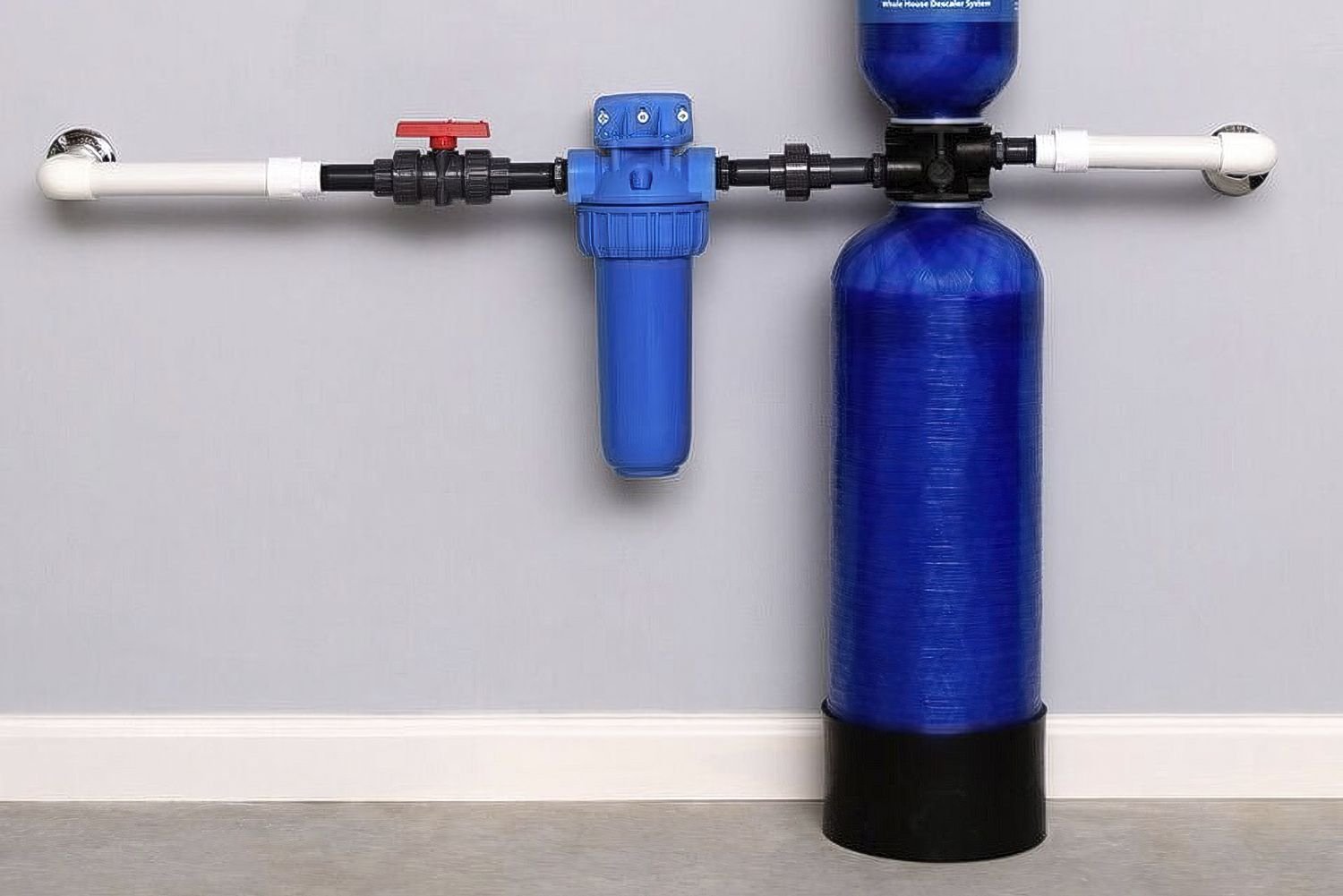
A basic sediment filter, for instance, can help capture particles such as sand, rust, or dirt. Activated carbon filtration can improve taste and reduce certain chemicals, including chlorine. A water softener is designed primarily to address hardness minerals such as calcium and magnesium.
Reverse osmosis works differently again. It uses a membrane and pressure to reduce a broad range of dissolved substances, making it useful for certain drinking-water applications.
The important point is that no single system is perfect for every water problem.
Think of it like choosing tools from a toolbox. You wouldn’t use a screwdriver to hammer a nail simply because you already own one. Water treatment works much the same way. The right technology depends on what’s actually in the water and what you want to accomplish.
Whole-Home or Drinking-Water System?
Another decision homeowners face is whether to treat water throughout the house or focus on drinking and cooking water.
A whole-home system treats water as it enters the property. That can make sense when the concern affects showers, laundry, appliances, and plumbing as well as drinking water. Hard water is a good example because mineral scale doesn’t only appear in the kitchen.
Point-of-use systems, on the other hand, focus on a particular faucet or appliance. They’re often useful when the main priority is better-quality water for drinking and cooking.
There isn’t necessarily a winner. It comes down to the problem you’re trying to solve.
A household dealing mainly with unpleasant drinking-water taste may not need a large whole-house installation. Someone struggling with significant hardness throughout the home could benefit from a broader approach.
Why Testing Should Come Before Buying Equipment
Water treatment equipment isn’t cheap, and replacing cartridges or maintaining a system adds an ongoing cost. That’s why testing first is one of the smartest things a homeowner can do.
A useful water assessment can reveal hardness, mineral levels, pH, microbial concerns, and other potential issues depending on the type of test performed.
Testing can also prevent a common mistake: treating the wrong problem.
For example, a homeowner might install a softener because of a strange smell, only to discover that hardness wasn’t responsible. Another person might buy a basic carbon filter when their actual concern requires a different treatment technology.
Good treatment starts with information. It sounds obvious, but it’s surprisingly easy to skip this step when there are hundreds of products promising instant solutions.
The Taste Test Matters, Too
Safety is obviously important, but taste and convenience matter as well. Water that tastes unpleasant often leads people to drink less of it. Instead, they reach for bottled drinks, even when they’d rather avoid the expense and waste.
A properly selected and maintained filtration system can make tap water more appealing by improving taste, odor, and overall drinking experience. For many families, that’s a practical benefit, not just a luxury.
Some homeowners want their tap water to have the clean, refreshing character they associate with bottle-quality water, without constantly buying and carrying plastic bottles home.
Of course, “bottle-quality” shouldn’t be treated as a technical guarantee. Bottled water itself varies, and quality depends on the source and treatment process. The better goal is simply to create consistently good drinking water at home through appropriate testing and treatment.
Don’t Forget About Maintenance
Even the best water treatment system needs attention. Filters become saturated. Softener media needs regeneration or servicing. Membranes eventually require replacement. Storage tanks and components should be inspected as recommended.
Neglecting maintenance can reduce performance and, in some cases, create hygiene concerns.
Keep track of filter replacement dates, follow manufacturer instructions, and pay attention when water taste or pressure suddenly changes. A small change can be a useful warning that something needs checking.
And if you’re unsure about what system your home actually needs, getting advice from a qualified water-treatment professional can save both money and frustration.
Better Water Starts With Knowing Your Water
There’s no universal definition of “perfect” household water. Every property has its own source, plumbing, mineral profile, and priorities.
The sensible approach is straightforward: test the water, understand the results, choose treatment based on those results, and maintain the equipment properly.
That may sound less exciting than buying the latest filtration gadget, but it’s far more useful in the long run.
Good water isn’t only about what’s in the glass. It’s about confidence every time you turn on the tap. And once you know what’s actually coming through your pipes, making that water better becomes a whole lot easier.