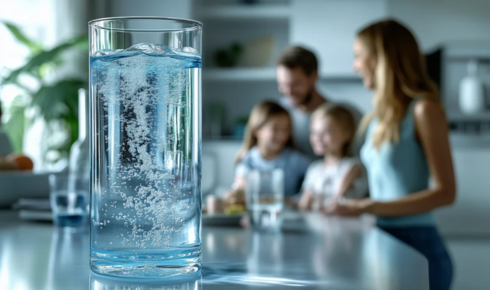
Most of us don’t think too hard about the water coming from the tap. We turn it on, fill a glass, rinse vegetables, make coffee, boil pasta, brush our teeth, and carry on. It’s ordinary. Almost invisible, really. And because it’s part of the daily routine, we tend to assume it’s fine unless something looks, smells, or tastes obviously wrong.
But water quality is a little more complicated than that. Clear water is not always perfect water. Sometimes minerals, chemicals, sediment, chlorine, or other unwanted elements can be present without making a big announcement. That doesn’t mean every home has a serious problem, of course, but it does mean homeowners should understand what they’re drinking and using every day.
Why Water Quality Feels Personal
There are few things more basic than water. It touches nearly every part of home life, from cooking and bathing to laundry and cleaning. When the quality is good, nobody talks about it. When something feels off, though, it becomes impossible to ignore.
Maybe the water has a faint chemical smell. Maybe it leaves spots on glasses. Maybe the family has started buying bottled water because the tap water just doesn’t taste right. These little habits can become normal without anyone stopping to ask why.
Thinking about drinking water safety is not about panic. It’s about awareness. A simple water test can reveal whether the issue is hardness, chlorine, lead, sediment, PFAS, bacteria, or something else entirely. Once you know what is actually in the water, the next step becomes much clearer.
The Hidden Concerns Homeowners Miss
Some water problems are obvious. Rusty stains, rotten-egg smells, cloudy water, or gritty sediment are hard to miss. Other concerns are quiet. They don’t change the taste or appearance much, and that makes them easier to overlook.
This is where people often start wondering about possible health effects. Contaminants such as lead, certain chemicals, nitrates, or bacteria may require specific treatment, depending on local water conditions and test results. The important thing is not to guess. Different contaminants need different solutions, and a filter that improves taste may not address deeper safety concerns.
It’s a bit like using an umbrella for every weather problem. Helpful in rain, useless in a snowstorm, and not much good during a heatwave.
Testing Comes Before Treatment
One of the biggest mistakes homeowners make is buying a water filter without testing first. The packaging sounds convincing. The reviews look good. The price seems fair. But if the system isn’t designed for the actual issue in your water, it may not deliver the protection you expect.
A proper water test helps identify the problem before money is spent. Municipal water users can review local water quality reports, but home testing still helps because plumbing, old pipes, or local conditions can affect water at the tap. Well water users should be especially careful, since private wells are usually the homeowner’s responsibility.
Testing doesn’t have to feel intimidating. It simply gives you facts. And facts are much easier to work with than worry.
Choosing the Right Type of Filter
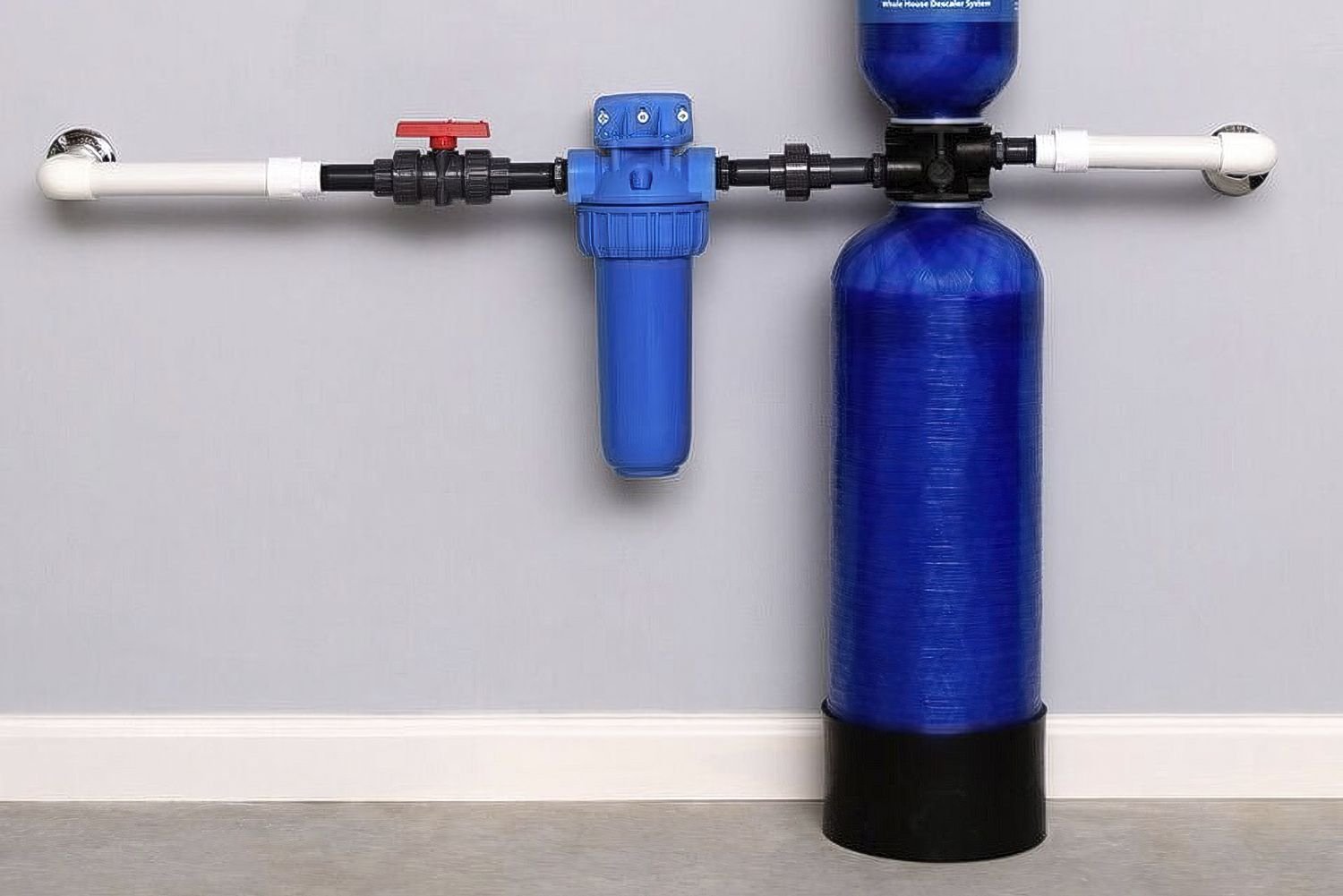
There are many treatment options available, and each one has a purpose. Activated carbon filters can help reduce chlorine taste and odor and may reduce certain chemicals when properly rated. Reverse osmosis systems are often used for drinking and cooking water because they can reduce a wide range of dissolved contaminants. UV systems may be useful where bacteria or microorganisms are a concern. Water softeners handle hardness minerals, though they are not designed to remove every contaminant.
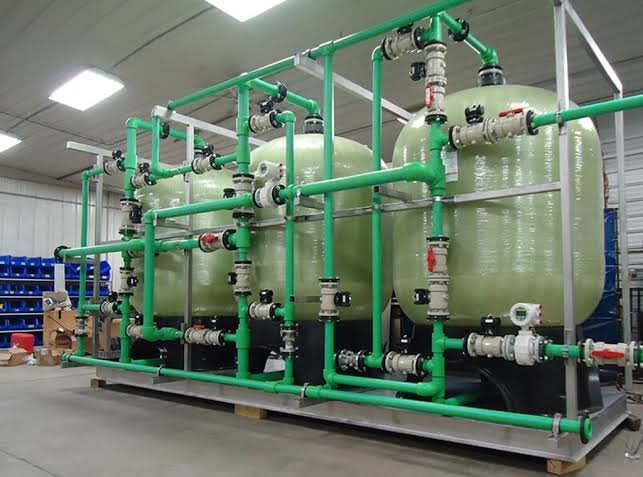
The best water filtration solutions are chosen based on what the water test shows, not on guesswork or the most expensive equipment in the showroom. Sometimes a simple under-sink system is enough. Sometimes a whole-home setup makes more sense. It depends on the water, the household, and how the water is used.
Maintenance Matters More Than People Think
Installing a filtration system is not the end of the story. Filters need replacement. Systems need checking. Some units require annual service, while others need more frequent cartridge changes. Ignoring maintenance can reduce performance and, in some cases, allow contaminants to pass through.
This is the part nobody loves, but it’s essential. A filter is only useful when it is working properly. Marking replacement dates on a calendar or choosing a system with reminders can save a lot of trouble later.
Better Water, Better Daily Living
Clean, reliable water makes home life feel easier. Coffee tastes better. Ice looks clearer. Cooking feels more comfortable. People stop hesitating before filling a glass from the tap. There’s also less dependence on bottled water, which can save money and reduce plastic waste over time.
But beyond convenience, there is peace of mind. Knowing what is in your water changes the way you feel about using it. You’re not guessing anymore. You’re making informed decisions for your home and family.
A Calm, Practical Way Forward
Water quality can feel overwhelming when you first start reading about it. There are so many terms, so many products, and plenty of dramatic claims. The smartest approach is usually the simplest: test the water, understand the results, choose treatment that matches the problem, and maintain the system properly.
Good water should not be a luxury or a mystery. It should be something you can trust quietly, every day, without second-guessing what’s in the glass. And sometimes, taking a closer look at the tap is one of the most sensible home decisions you can make.