Water quality has become one of those home concerns that people tend to notice only after something starts feeling wrong. Maybe there’s a chalky film around the faucet, the water tastes different than expected, or your shower leaves your skin feeling unusually dry. None of these problems seem dramatic on their own, but together they can become a daily annoyance.
The good news is that modern water treatment offers more choices than ever. From improved softening methods to advanced filtration and newer technologies designed for specific purposes, homeowners can choose solutions based on what their household actually needs.
Start With Your Home’s Water
Before choosing a treatment system, take a close look at the water you’re already using. Water quality can vary considerably depending on whether your home receives municipal water or relies on a private well.
Hardness is one common concern. Calcium and magnesium are naturally occurring minerals, but higher levels can lead to scale on faucets, showerheads, dishes, and appliances. Other households may be more concerned about sediment, chlorine taste, odors, or specific contaminants.
A water test is a sensible place to begin. It gives you useful information and helps prevent the classic mistake of buying an expensive system that doesn’t really address the problem.
A Better Approach to Hard Water
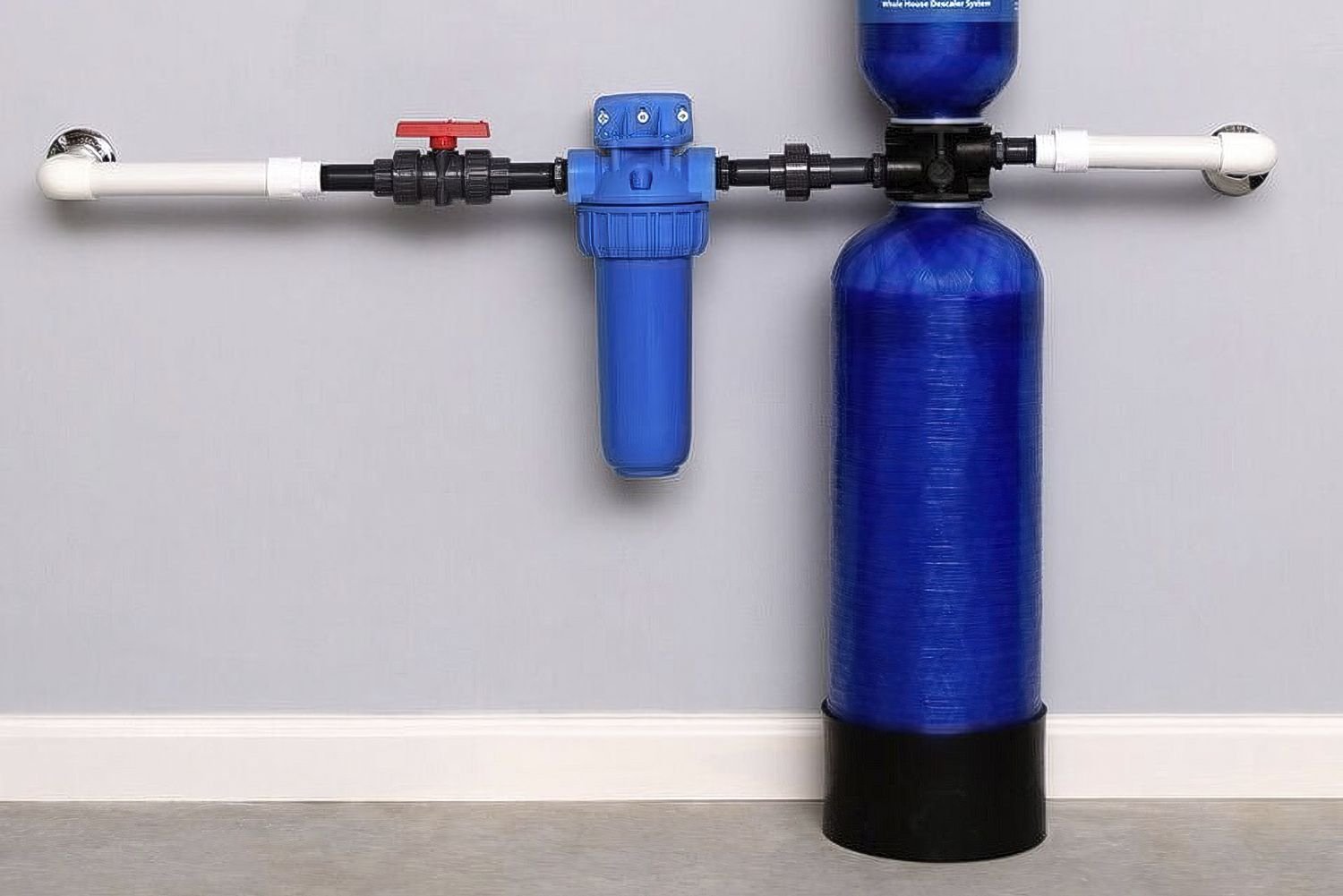
For homes with significant hardness, advanced water softening can provide a more tailored approach to managing mineral-related problems. Modern systems may include improved controls that adjust operation based on household water consumption rather than relying only on fixed schedules.
That matters because water use isn’t identical every day. A family might use much more water on weekends than during a quiet weekday, for example. Smarter controls can help a system respond more efficiently to changing demand.
Still, technology shouldn’t be the only thing you look at. Capacity, maintenance requirements, warranty coverage, and the actual hardness of your water all matter when choosing a softening solution.
What About Hydrogen Water?
Hydrogen water has attracted attention in recent years, particularly among people interested in emerging wellness and hydration technologies. Hydrogen water technology generally involves adding molecular hydrogen to water through specialized equipment.
It’s important to separate curiosity from proven claims, though. Research into hydrogen-rich water is still developing, and marketing language can sometimes move faster than the science. If you’re considering such a product, look for clear information about how the equipment works, how hydrogen levels are measured, and what the manufacturer can actually substantiate.
In other words, don’t buy something simply because the label sounds futuristic. Ask questions and understand what you’re getting.
Filtration Has a Different Job
Water softening and filtration aren’t interchangeable. A softener primarily addresses hardness minerals, while filtration can target specific substances depending on the filter technology.
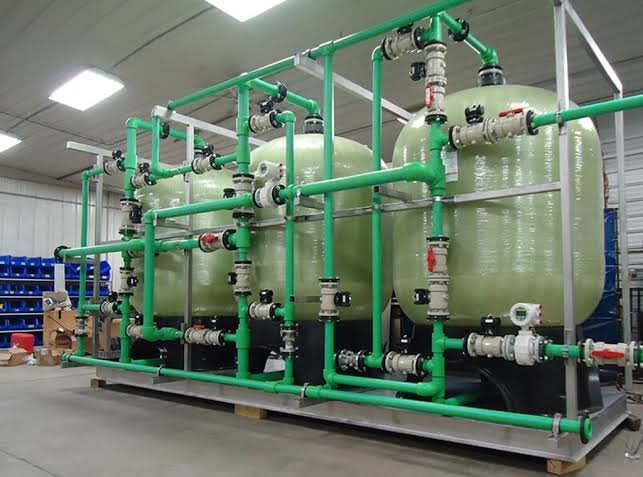
Modern water filtration systems may use technologies such as activated carbon, sediment filtration, reverse osmosis, or combinations of several methods. Each approach has a particular purpose, which is why identifying your water issue first is so important.
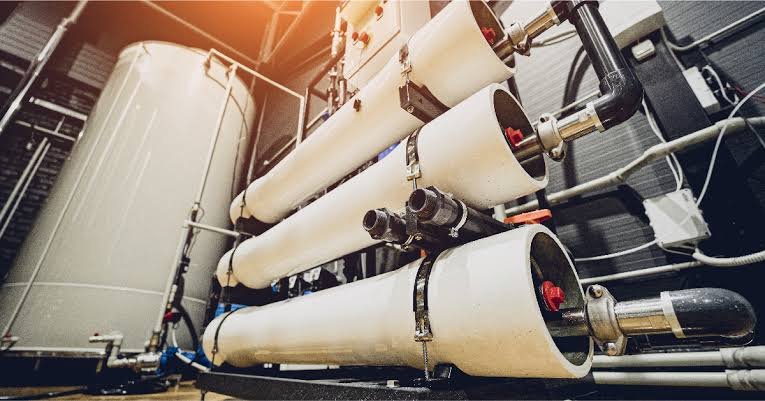
For example, a carbon filter may be useful when taste and chlorine are the main concerns, while sediment filtration can help with visible particles. Reverse osmosis is a more intensive treatment method commonly used for drinking water.
There isn’t a universal filter that removes everything. The best system is the one matched to the water you’re actually trying to improve.
Whole-Home or Drinking Water Treatment?
Another question homeowners often face is whether they need treatment throughout the house or only for drinking water.
If your biggest concern is the taste or quality of water used for drinking and cooking, a point-of-use system in the kitchen may be enough. If hard water, sediment, or another issue affects showers, appliances, and multiple fixtures, a whole-house approach may make more sense.
Think about how your family uses water. A household with several bathrooms and frequent laundry may benefit from a broader solution than a small home with relatively light water usage.
Don’t Ignore Maintenance
Even sophisticated equipment needs basic care. Filters eventually need replacement, softeners require monitoring, and connections should occasionally be checked.
Maintenance is easy to forget because treatment equipment usually works quietly in the background. That’s actually a good thing—until a neglected filter becomes clogged or performance begins to decline.
Keep replacement dates on a calendar and follow the manufacturer’s recommendations. If water suddenly changes taste, pressure, smell, or appearance, take it seriously rather than assuming the problem will disappear on its own.
Choosing Technology Without Overcomplicating Things
Modern water treatment can be impressive, but more features don’t automatically mean a better solution. A system with every possible function may be unnecessary if your home has one simple water-quality issue.
Start with the basics: test the water, identify your priorities, compare treatment technologies, and consider long-term costs. Look at installation, maintenance, replacement parts, energy or water use, and warranty support.
It’s also worth asking a professional to explain the differences in plain English. If someone can’t clearly explain why a particular system is appropriate for your water, that’s a reason to slow down and ask more questions.
Better Water Is About the Right Fit
There is no single water treatment solution that works perfectly for every household. The right choice depends on water chemistry, household size, budget, lifestyle, and what you actually want to improve.
Whether you’re dealing with hard-water scale, looking into hydrogen-based technology, or considering filtration, informed decisions usually lead to better results.
The goal isn’t to turn your utility room into a laboratory. It’s much simpler than that. You want water that works well for your family, equipment that isn’t a constant headache, and a solution that makes sense for the long haul.
When technology is chosen for a real household need rather than simply because it’s new, that’s when it becomes genuinely useful.