We use water all day without giving it much thought. It goes into the kettle, fills the washing machine, runs through the shower, and ends up in the glass beside dinner. Most of the time, that’s exactly how it should be. Water should be simple.
But when the taste changes, a strange odor appears, or mineral stains start taking over the bathroom, it becomes harder to ignore. And once you start looking into water filtration, you quickly discover there are dozens of systems, technologies, and claims competing for your attention.
The good news? You don’t need to buy everything. You need to understand your water first, then choose a solution that actually addresses the problem.
Begin With Testing, Not Shopping
It can be tempting to start by searching for the “best” filter. That’s usually backwards.
Water quality varies from one location to another, and even two neighboring homes can have different issues depending on their water source and plumbing. Municipal water and private well water can have particularly different treatment needs.
A water test can provide useful information about hardness, pH, iron, chlorine, sediment, dissolved solids, and other substances. Additional testing may be appropriate when a specific contaminant is suspected.
Once you know what you’re dealing with, equipment selection becomes much less confusing. You’re no longer choosing based on marketing language. You’re choosing based on evidence.
Where Carbon Filtration Can Help
If the main complaint is unpleasant taste or smell, activated carbon is often one of the first technologies worth exploring.
Carbon filters are commonly used to reduce chlorine and certain organic compounds that can affect taste and odor. That’s why carbon filtration is found in everything from refrigerator cartridges to under-sink drinking-water units and larger whole-home systems.
Still, carbon isn’t a universal solution. Different carbon media have different capabilities, and performance depends on factors such as contact time, water chemistry, filter size, and how regularly the cartridge is replaced.
A common mistake is forgetting about that last part. A filter isn’t a permanent appliance. It has a useful service life. If replacement is overdue, the system may not perform the way it was designed to.
Arsenic Is a Different Kind of Concern
Some water problems are easy to spot. Arsenic isn’t one of them.
You can’t reliably identify arsenic through taste, smell, or appearance, which makes proper testing especially important. Private well owners should pay attention to local groundwater conditions and any recommendations from relevant water-quality authorities.
When testing shows elevated arsenic, specialized treatment may be necessary. Arsenic filters and other arsenic-reduction technologies can be designed to target this contaminant, but choosing the correct approach depends on the arsenic concentration and the chemistry of the water.
This isn’t really a situation where trial and error makes sense. Test first, select equipment based on the results, and consider follow-up testing to verify that treatment continues to work properly.
Whole-House Treatment or Just the Kitchen?
Here’s a question worth asking before you spend a dollar: where does the water problem actually matter?
A point-of-use system treats water at a particular faucet. An under-sink unit, for example, can provide additional treatment for drinking and cooking water.
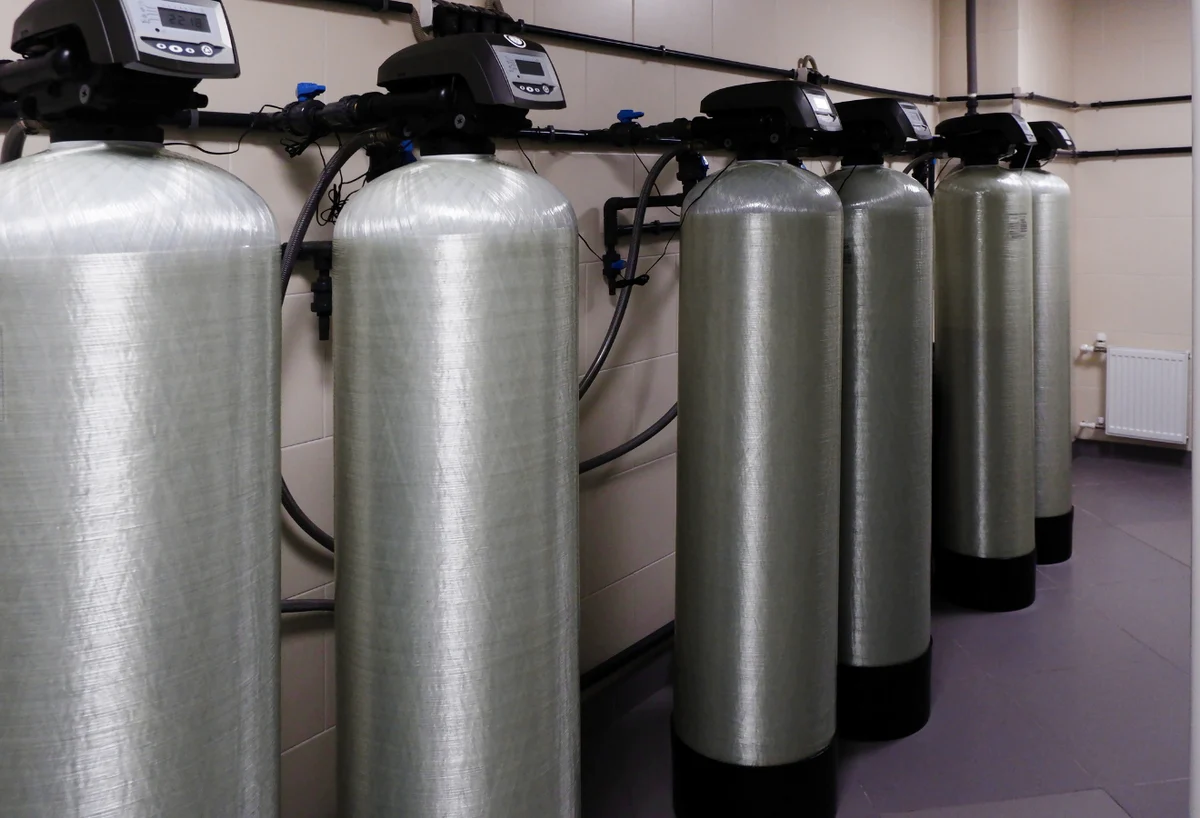
A whole-house system treats water as it enters the property. That may be more appropriate if you’re dealing with hard water, sediment, iron, or another issue affecting showers, laundry, plumbing, and appliances throughout the home.
Neither option is automatically the better choice.
If your water leaves scale everywhere, treating only one faucet probably won’t solve the problem. On the other hand, treating every gallon of water in the home may be unnecessary if your concern is limited to drinking-water taste.
Think about the actual use case.
Hard Water Deserves Attention Too
Hard water is usually not an emergency, but it can be a persistent nuisance.
Calcium and magnesium can form scale inside water heaters and around faucets. Showerheads may clog gradually, dishes can develop spots, and soap doesn’t always rinse as cleanly as you’d like.
Water softeners are designed specifically to address hardness. Filtration systems, depending on their media, are designed for different purposes.
Sometimes a home benefits from both. A softener can address hardness while another filter handles taste, odor, sediment, or a specific contaminant.
The important thing is not to confuse these technologies. A softener isn’t a substitute for every kind of filtration, and a carbon filter isn’t a substitute for a softener.
Looking at Equipment Brands and Features
Once you’ve identified your water problem, it’s time to compare equipment.
This is where things can get a little overwhelming. Manufacturers offer different capacities, technologies, warranties, controls, and maintenance schedules.
If you’re considering ecoWater brand equipment, for example, look beyond the brand name and examine the particular model you’re being offered. Consider what the equipment is designed to treat, whether its capacity matches your household, how often components need servicing, and what replacement parts cost.
A good installer should explain these details clearly. You shouldn’t have to take someone’s word for it that a particular system is “perfect” for your home.
Ask why it was selected. That’s often the most revealing question.
Don’t Forget About Maintenance
A water filtration system needs attention after installation.
Filters have to be replaced. Some systems need cleaning or sanitization. Softening equipment may require salt or other routine care, depending on its design. Certain components should also be inspected periodically.
Maintenance isn’t particularly exciting, admittedly. But it protects the investment you’ve already made.
Before buying, find out exactly what maintenance involves. Ask how often filters need replacement and what those replacements cost. Find out whether you can handle routine tasks yourself or whether you’ll need a technician.
It’s much better to know these things before installation than after the first service reminder arrives.
Look at the Full Cost, Not Just the Sticker Price
The cheapest system isn’t necessarily the least expensive over its lifetime.
Installation, filter cartridges, membranes, salt, electricity, repairs, and servicing can all add to the total cost of ownership.
At the same time, expensive doesn’t automatically mean better.
Try comparing systems based on long-term value. A properly sized unit with affordable replacement parts and dependable support may be a smarter purchase than a high-end system packed with features you don’t really need.
If you’re getting quotes, ask for the costs in writing. Clear numbers make comparisons much easier.
Better Water Starts With a Better Decision
There’s no single water treatment system that makes sense for every home. That’s probably the most useful thing to remember.
Start with testing. Understand what is actually present. Decide whether the problem affects the whole house or only drinking water. Then choose technology that has a specific job.
Carbon filtration may be useful for one household, while another may need specialized arsenic treatment, softening, or a combination of solutions.
The goal isn’t to create the most complicated treatment setup possible. It’s to create one that works reliably, fits your household, and can be maintained without becoming a daily chore.
When you’ve made that choice carefully, good water becomes almost invisible again. And honestly, that’s a pretty good sign that you’ve got it right.