Most people rarely think about water when they walk into a restaurant, hotel, office building, or manufacturing facility. They notice the food, the atmosphere, the service, maybe even the coffee if it’s especially good. But behind nearly every smooth business operation, water is quietly doing a massive amount of work in the background.
It’s cooling equipment, cleaning dishes, brewing drinks, supporting machinery, washing linens, or helping maintain sanitary conditions customers never even think about. And when water quality isn’t right, businesses tend to feel the consequences quickly — usually through maintenance costs, inconsistent product quality, or frustrated staff dealing with avoidable problems every single day.
Honestly, water might be one of the most overlooked parts of running a commercial operation well.
Small Water Problems Become Expensive Fast
One difficult thing about water-related issues is how gradually they develop. Rarely does a business suddenly face a dramatic disaster overnight. Instead, little frustrations begin stacking up quietly.
Coffee tastes inconsistent. Glassware develops cloudy spots. Equipment needs maintenance more often than expected. Ice machines become unreliable. Plumbing fixtures collect residue faster than normal.
I remember speaking with a café owner who kept replacing espresso machine components every few months. At first, they blamed the manufacturer. Then a service technician tested the water and immediately pointed to mineral-heavy conditions causing internal buildup.
Once they addressed the water itself, repair costs dropped significantly.
That story stuck with me because it showed how businesses often spend money treating symptoms while the real problem flows through the pipes every single day.
Why Commercial Water Needs Are Different
Commercial environments use water far more aggressively than residential homes ever do. Restaurants run dishwashers constantly. Hotels wash endless loads of towels and linens. Manufacturing facilities rely on consistent water performance for equipment and production processes.
Because of that, businesses usually need stronger and more reliable systems than the average homeowner.
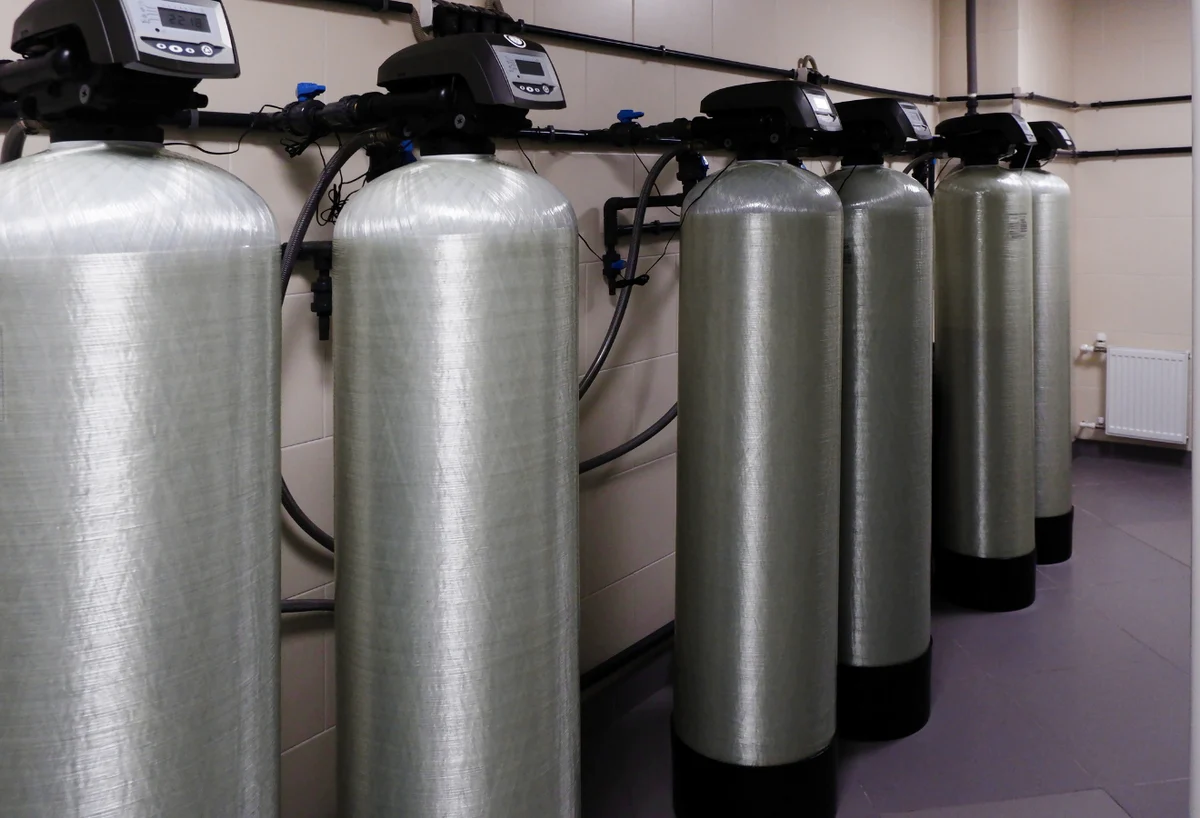
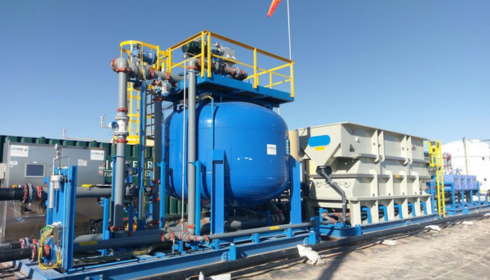
That’s one reason commercial filtration systems have become increasingly important across industries. These setups are designed to handle larger water volumes, longer operating hours, and more demanding conditions without constantly breaking down or losing effectiveness.
And honestly, when a business depends heavily on water to operate smoothly, reliability becomes just as important as water quality itself.
Water Quality Affects Customer Experience More Than People Realize
The funny thing about water in business settings is that customers rarely notice it directly — unless something feels wrong.
Bad-tasting ice in a soft drink. Cloudy glasses at a restaurant. Coffee that tastes flat or bitter. Towels at a hotel that feel rough after washing. Tiny details like these quietly shape customer perception without people consciously connecting them back to water quality.
A hotel manager once told me guests rarely compliment the water specifically, but they absolutely notice when showers feel unpleasant or coffee tastes strange. Water quietly influences comfort in ways people feel emotionally even when they can’t explain why.
That’s partly why more businesses are exploring advanced water solutions instead of simply relying on untreated municipal supplies or outdated systems.
The Role Technology Plays in Modern Water Management
Water treatment isn’t what it used to be. Years ago, many systems focused mainly on basic filtration or softening. Today, businesses have access to much more specialized options designed around specific operational needs.
Modern filtration technology can target sediment, chlorine, mineral buildup, odors, and microscopic impurities depending on the environment. Some systems are designed for beverage consistency in cafés and restaurants, while others focus on protecting industrial equipment from scale damage over time.
The interesting part is that smarter filtration often improves efficiency as much as cleanliness.
Equipment runs longer without breakdowns. Energy use may decrease because systems don’t fight mineral buildup internally. Maintenance schedules become more predictable. In busy businesses, those operational improvements matter enormously.
Why Preventive Maintenance Matters So Much
One lesson experienced business owners learn quickly is that prevention almost always costs less than emergency repairs.
A restaurant dishwasher failing during dinner rush creates chaos immediately. A hotel laundry system breaking down affects operations across the entire property. Manufacturing delays caused by water-related equipment problems can become incredibly expensive fast.
Good water management helps reduce those risks quietly in the background.
Regular filter replacement, system inspections, and water testing often prevent major problems long before staff or customers notice anything unusual. And honestly, businesses that stay proactive about water tend to experience fewer operational headaches overall.
Better Water Helps Employees Too
Interestingly, staff members often notice improved water conditions just as much as customers do.
Cleaning becomes easier. Equipment performs more consistently. Soap rinses better. Glassware looks cleaner with less effort. Coffee machines and steam equipment behave more reliably during busy shifts.
Those little improvements reduce stress in fast-paced work environments where efficiency matters constantly.
A restaurant owner once mentioned that after upgrading their filtration system, employees stopped complaining about spotting on dishes almost immediately. Small operational frustrations disappeared, which made day-to-day work smoother overall.
And honestly, smoother operations usually create better customer experiences naturally.
Water Quietly Supports Every Successful Business
The interesting thing about water is that businesses rarely think about it when everything works properly. It stays invisible in the background supporting daily operations without demanding attention.
But once water quality improves, the effects ripple outward surprisingly far.
Coffee tastes cleaner. Equipment lasts longer. Cleaning becomes easier. Customers notice consistency without understanding why. Employees spend less time dealing with avoidable maintenance issues.
Maybe that’s why more companies are finally treating water as an important operational investment rather than just another utility bill.
Because in commercial environments, even small improvements behind the scenes can quietly improve everything else happening around them.