Most people don’t spend much time thinking about the water running through their homes. It’s one of those things that quietly supports everyday life without demanding much attention. You wake up, make coffee, take a shower, wash dishes, run laundry — all without stopping to wonder what’s actually coming through the pipes.
Until something changes.
Maybe your coffee suddenly tastes different. Maybe dishes start coming out cloudy no matter how carefully you clean them. Some people notice dry skin after showers or a strange odor from the faucet they can’t quite explain. None of these problems seem dramatic on their own, but together they create this constant low-level frustration that slowly becomes impossible to ignore.
That’s usually the moment homeowners start paying attention to their water for the first time.
Water Problems Tend to Build Quietly
One of the tricky things about household water issues is how gradually they develop. Rarely does someone wake up one morning to catastrophic water failure out of nowhere. Most problems appear slowly enough that families adapt without realizing it.
Hard water leaves faint white residue around faucets. Pressure drops slightly over time. Appliances seem to wear out faster than expected. Showerheads clog more often. Eventually people begin accepting these inconveniences as “normal,” even though they’re usually signs something in the system isn’t working ideally anymore.
That’s why understanding water quality matters more than homeowners sometimes realize.
Water affects nearly every part of daily life inside a house. Cooking, cleaning, bathing, laundry, plumbing systems, appliances — all of it depends on what’s flowing through the pipes. When water conditions aren’t balanced properly, the effects spread quietly through routines people repeat every single day.
And honestly, many homeowners don’t fully appreciate the difference until they experience better water consistently.
Minerals Create More Problems Than People Expect
A lot of common household water frustrations trace back to excess mineral content. Calcium, magnesium, iron, and other naturally occurring minerals may not always be dangerous, but they can absolutely create long-term headaches.
Hard water especially tends to leave buildup everywhere. Faucets collect scale. Water heaters lose efficiency. Soap struggles to lather properly. Laundry feels rough. Glassware develops cloudy spots that somehow never disappear completely.
I remember visiting a family member whose coffee maker kept failing every year. They blamed cheap appliances for the longest time before eventually learning their mineral-heavy water was slowly damaging internal components.
Once they improved their treatment setup, the appliance problems practically disappeared.
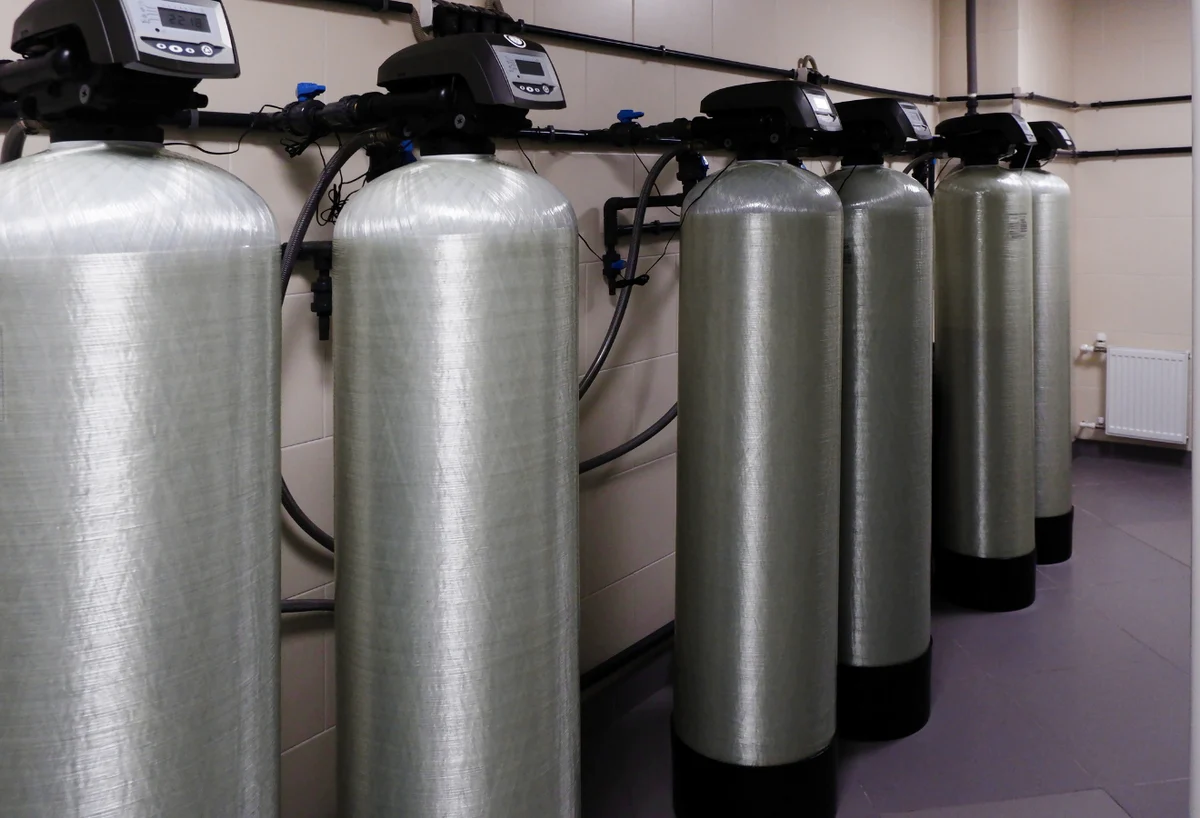
That’s one reason mineral removal systems have become more common in homes over the last decade. People aren’t just trying to improve taste anymore. They’re trying to protect plumbing, appliances, and overall comfort inside the house.
The improvements usually feel subtle at first, but over time they add up in noticeable ways.
Every Home Has Different Water Challenges
One mistake homeowners sometimes make is assuming there’s one universal solution for water treatment. But water conditions vary enormously depending on location, infrastructure, groundwater sources, and even the age of the home itself.
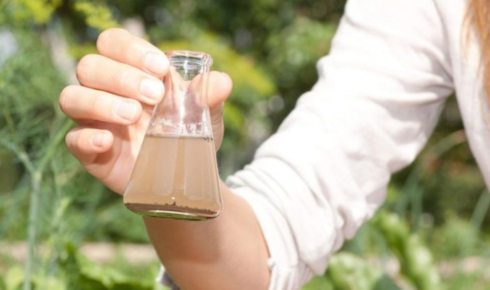
A rural property using well water faces completely different issues than a downtown apartment connected to municipal supply lines. Some homes struggle mainly with hardness. Others deal with chlorine taste, iron staining, sulfur odors, sediment, or aging pipes affecting the water before it even reaches the faucet.
That’s why testing matters before buying expensive equipment.
Good professionals usually recommend analyzing the water first instead of immediately pushing products. Honestly, that’s often one of the clearest signs you’re dealing with someone trustworthy.
Without proper testing, homeowners sometimes spend money solving the wrong problem entirely.
Filtration Became About More Than Taste
Years ago, many people only installed filters because they disliked how tap water tasted. Today, the conversation around water filtration feels much broader.
Homeowners care about contaminants, infrastructure issues, appliance protection, and long-term peace of mind in ways previous generations often didn’t. People read municipal water reports now. They compare treatment systems online. They ask neighbors about filtration setups almost like discussing kitchen appliances.
Part of that shift comes from increased awareness. But honestly, once someone experiences genuinely clean, balanced water, it becomes difficult to ignore the difference afterward.
Coffee tastes better. Ice cubes smell cleaner. Showers feel gentler somehow. Even cooking changes slightly when water quality improves.
Those aren’t dramatic transformations exactly. They’re quieter than that. More woven into the texture of daily life.
Maintenance Is the Part Nobody Likes Discussing
Most companies love talking about installation and new equipment. Fewer conversations happen around maintenance, even though it matters just as much long-term.
Filters need replacing eventually. Softeners require upkeep. Certain treatment systems need periodic inspections to maintain proper performance. Ignoring maintenance doesn’t usually create immediate failure, which is why homeowners often postpone it longer than they should.
The system keeps functioning… just less effectively over time.
And because the decline happens gradually, many people don’t realize water conditions are slipping again until familiar frustrations slowly return.
Better Water Creates a Calmer Home
At the end of the day, most homeowners aren’t chasing perfection when they improve their water systems. They simply want the house to feel easier to live in.
Reliable showers. Cleaner dishes. Softer laundry. Better-tasting water. Fewer appliance problems. Those small improvements shape daily comfort more than people often realize.
And honestly, the best water systems are usually the ones people stop thinking about entirely after installation. They quietly support daily routines without strange smells, buildup, inconsistent pressure, or constant maintenance frustrations demanding attention.
That’s probably the real goal behind better water treatment in the first place. Not luxury. Not obsession. Just comfort, consistency, and a little more peace of mind every time someone turns on the tap.