There’s something oddly personal about how we move around. Some people swear by the comfort of having their own car parked downstairs, ready whenever life calls. Others lean into the flexibility of ride-sharing apps, hopping in and out of cabs without worrying about fuel prices, insurance, or the occasional dent.
But beyond preferences and habits, there’s a simple question most of us quietly wonder about: what actually makes more financial sense over time?
The Emotional Side of Ownership
Owning a car isn’t just a financial decision — it’s emotional. It feels like stability. Like control. You don’t have to wait for a driver to accept your ride, no surge pricing surprises, no awkward small talk if you’re not in the mood.
But then reality nudges in.
There’s the EMI (if you’ve financed it), fuel costs that never seem to go down, insurance renewals, maintenance, parking headaches — especially in cities — and depreciation, which quietly eats away at your car’s value every year. You may not notice it daily, but your car is losing money even when it’s sitting idle.
Ride-Sharing: Pay Only When You Move
Ride-sharing apps flipped the script. Instead of owning an asset, you pay only when you need the service. It’s clean, simple, and surprisingly efficient for many urban lifestyles.
No maintenance, no insurance, no long-term commitment. You just book, ride, and forget about it.
But here’s the catch — those small payments add up. Daily commutes, weekend outings, airport runs… over months and years, the total cost can creep up faster than expected, especially if surge pricing becomes a regular thing in your routine.
So, What’s Cheaper in the Long Run?
Here’s where things get interesting — and honestly, a little messy. There’s no one-size-fits-all answer.
If you drive a lot — say, daily office commute, frequent travel, family outings — owning a car often turns out to be more economical in the long run. The fixed costs get distributed across frequent usage, making each trip relatively cheaper.
Related reading: Do ADAS Features Actually Make Driving Safer in India? A Ground-Level Reality Check
On the flip side, if your usage is occasional — maybe you work from home, rely on public transport sometimes, or mostly travel short distances — ride-sharing can save you a surprising amount of money.
Somewhere in the middle lies the real debate: Car ownership vs ride-sharing apps: long-term me kya zyada economical hai? The answer depends less on the cars or the apps — and more on your lifestyle.
Hidden Costs We Often Ignore
Let’s talk about the things we don’t usually calculate.
For car owners:
- Time spent in traffic (which could be used differently)
- Parking fees in crowded areas
- Unexpected repairs (they always come at the worst time)
For ride-sharing users:
- Surge pricing during peak hours
- Waiting time during high demand
- Lack of availability in remote areas
These aren’t always reflected in monthly expenses, but they do impact the overall experience — and sometimes, indirectly, your wallet.
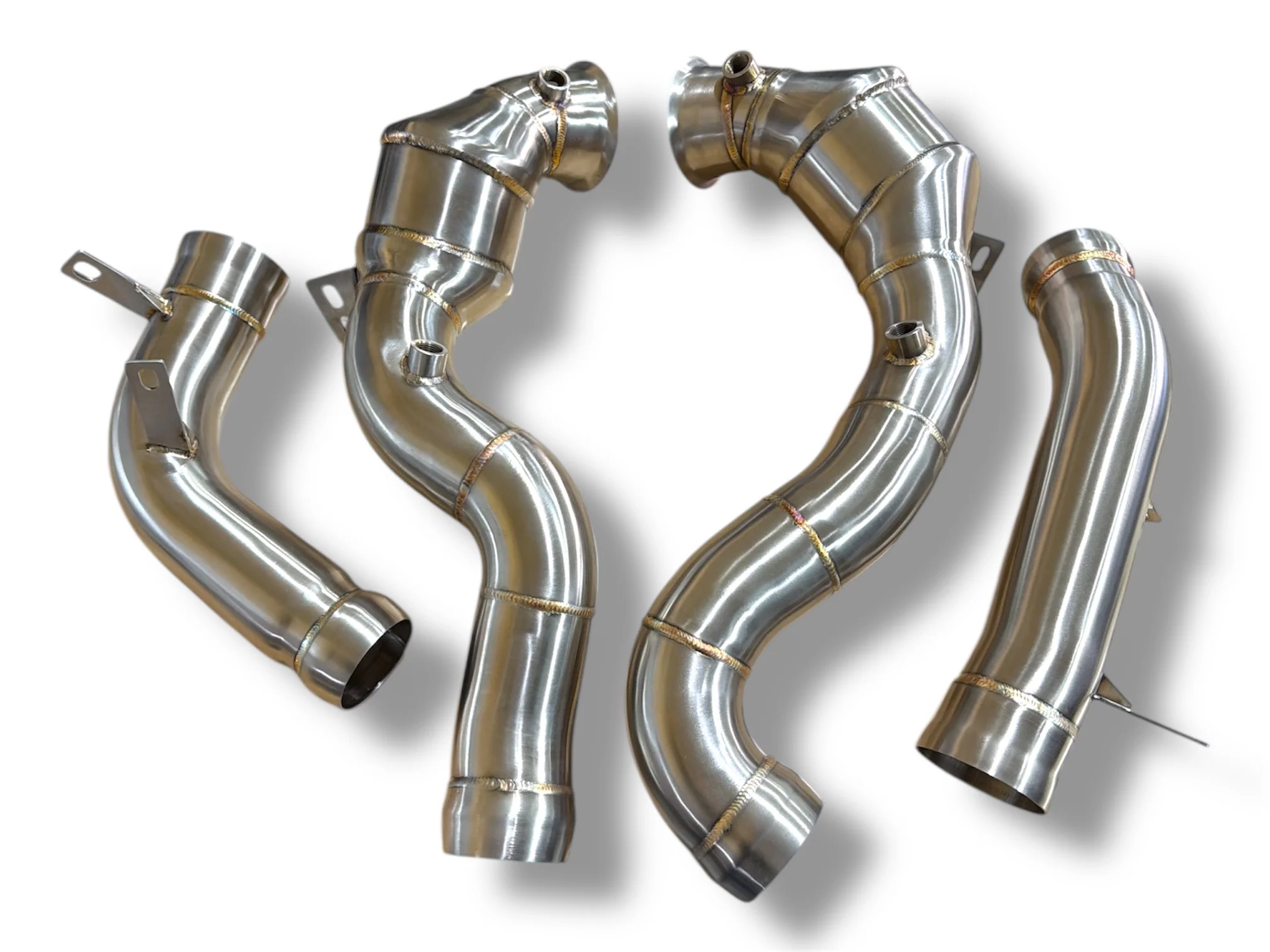
Related reading: Mercedes E53 AMG Downpipe and E63 W213 Catted & Catless Downpipes: Performance Guide
The Urban vs Small-Town Perspective
Where you live plays a huge role too.
In big cities, ride-sharing is widely available, often cheaper due to competition, and practical because parking is a nightmare. Owning a car here can feel like a burden unless you really need it.
In smaller towns or less connected areas, though, things change. Ride-sharing might not be reliable or even available at all times. In such cases, owning a car isn’t just convenient — it’s almost necessary.
A Hybrid Approach (That Many Are Quietly Adopting)
Interestingly, more people are now blending both worlds.
They might own a car but still use ride-sharing for certain situations — like airport trips, nights out, or heavy traffic days. Or they might not own a car but rent one occasionally for long trips.
This flexible mindset often ends up being the most cost-effective because it adapts to real-life needs rather than forcing a single solution.
It’s Not Just About Money
Here’s the part we often overlook — convenience has value.
For some, the peace of mind that comes with owning a car is worth the extra cost. For others, the freedom from responsibility that ride-sharing offers feels priceless.
So while spreadsheets and calculations can give you a rough idea, your personal comfort, routine, and preferences matter just as much.
Final Thoughts
If you’re trying to decide purely based on money, start by tracking your travel habits for a month. See how often you move, how far you go, and what you spend.
But don’t stop there.
Think about your time, your stress levels, your flexibility — the little things that quietly shape your daily life. Because in the end, the “economical” choice isn’t always the cheapest one. It’s the one that fits your life without constantly making you think about it.
And maybe that’s the real answer we’re all looking for.