There’s something comforting about turning on a faucet and expecting clean, safe water to flow out. Most of us rarely stop to think about it because water is simply… there. We drink it, cook with it, shower in it, wash clothes, and fill our pets’ bowls without giving it a second thought. But behind that everyday convenience lies a question that’s surprisingly important: how clean is the water we’re actually using?
The answer isn’t always straightforward. Municipal systems do a good job of delivering treated water, yet the journey from the treatment plant to your kitchen sink can introduce new challenges. Aging pipes, mineral buildup, seasonal changes, and local environmental conditions all play a role. It’s one of those things people tend to overlook until they notice a strange taste, stubborn stains, or dry skin that never seems to improve.
Looking Beyond What You Can See
Crystal-clear water doesn’t automatically mean it’s free from contaminants. In fact, some of the substances that affect household water are completely invisible. Minerals, dissolved metals, chlorine byproducts, and microscopic organisms don’t usually announce themselves with dramatic colors or unpleasant smells.
That’s why many homeowners eventually start paying closer attention to their drinking water. Sometimes it begins with a simple curiosity. Other times it’s triggered by practical problems—white spots on dishes, scale inside appliances, or coffee that somehow tastes different than it should. These little clues often encourage people to learn more about what flows through their plumbing every day.
Understanding your home’s water isn’t about becoming overly cautious. It’s about making informed choices that protect both your family and the investments you’ve made in your home.
Small Problems Often Grow Over Time
Hard water, for example, may seem like a minor inconvenience at first. Soap doesn’t lather quite as well, showerheads collect deposits, and your kettle develops a chalky layer. Individually, these issues aren’t alarming. Collectively, though, they can shorten the lifespan of appliances and increase maintenance costs.
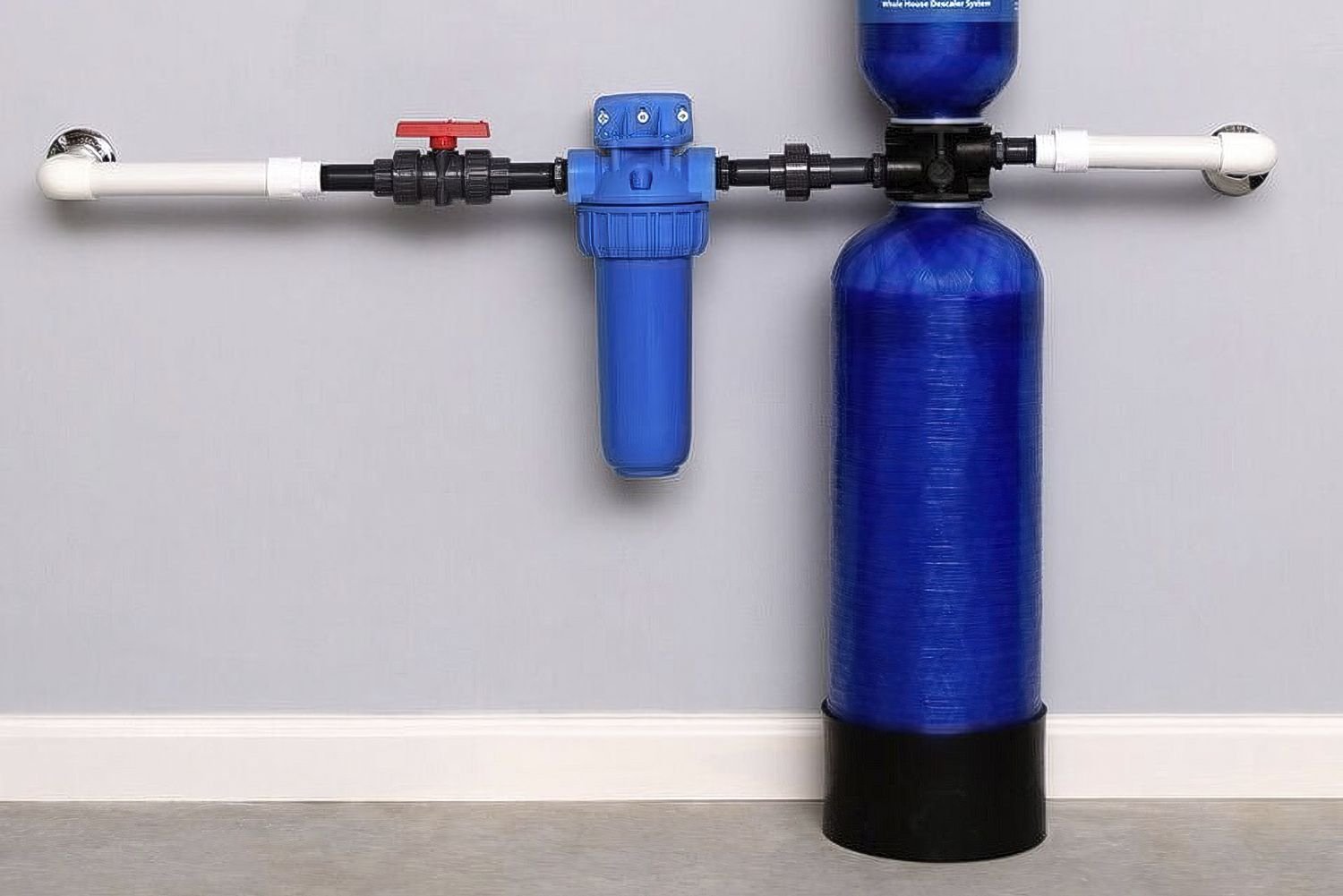
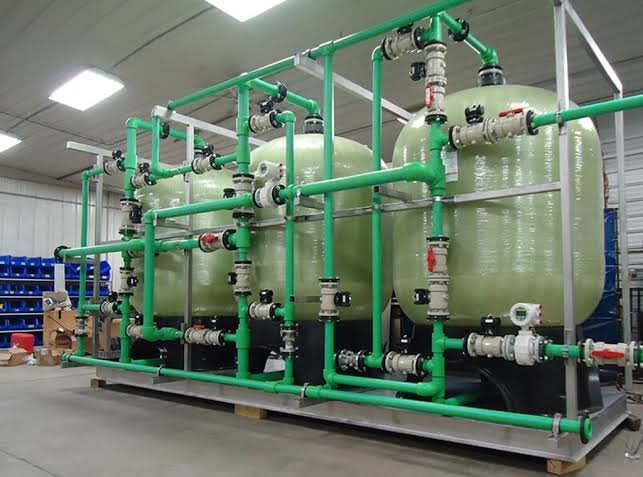
Many homeowners discover that preventive care is much less expensive than replacing water heaters, washing machines, or plumbing fixtures damaged by years of mineral accumulation. That’s where modern water treatment solutions become valuable—not because every house requires complex equipment, but because the right solution can address specific local conditions instead of relying on guesswork.
Choosing a system that matches your home’s actual needs often leads to better efficiency, lower maintenance, and improved day-to-day comfort.
Why Testing Before Buying Makes Sense
It’s tempting to purchase a filtration system based solely on online reviews or recommendations from neighbors. While those experiences can certainly help, every home’s water supply is a little different.
A professional water testing process provides real information instead of assumptions. It identifies what is actually present in your water, whether that’s excess hardness, iron, chlorine, sediment, nitrates, or something else entirely. Once those results are available, selecting an appropriate filtration or conditioning system becomes much easier.
Think of it the same way you would approach a medical checkup. You wouldn’t take medication without knowing the diagnosis. Water works in much the same way—the more accurate the information, the better the solution.
Everyday Benefits That Often Go Unnoticed
People usually expect cleaner drinking water after installing a filtration system, but they’re often surprised by the other improvements that follow.
Laundry may feel softer. Glassware comes out cleaner from the dishwasher. Soap rinses away more easily, leaving less residue behind. Hair and skin can feel less dry after showering, especially in areas with hard water. Even cooking sometimes changes in subtle ways because minerals influence flavor more than many people realize.
These aren’t dramatic overnight transformations. They’re quiet improvements that gradually become part of daily life until you hardly remember how things used to be.
Protecting Appliances and Saving Money
Household appliances represent a significant investment, and most families expect them to last for years. Unfortunately, untreated mineral deposits can slowly reduce efficiency.
Water heaters, dishwashers, coffee makers, washing machines, and ice makers all perform better when excessive scale isn’t constantly building inside them. Less buildup generally means lower energy consumption, fewer repairs, and longer equipment life.
That’s one reason many homeowners view water improvement systems as long-term investments rather than simple household purchases. While there is an upfront cost, the potential savings on maintenance and replacement can offset much of that expense over time.
Better Decisions Start With Better Information
Water conditions also change. Heavy rainfall, drought, nearby construction, or updates to municipal infrastructure may alter what’s coming into your home. Something that wasn’t an issue five years ago could become relevant today.
Monitoring water quality periodically helps homeowners stay informed rather than reacting after problems appear. Regular evaluations provide peace of mind and make it easier to decide whether existing filtration systems are still performing as expected.
Being proactive doesn’t mean worrying constantly. It simply means paying attention to something that affects nearly every part of daily life.
Clean Water Is About More Than Drinking
When people think about safe water, they usually picture a glass sitting on the kitchen table. Yet water influences almost everything we do inside our homes.
It touches our skin every morning, cleans the food we prepare, protects expensive appliances, and helps maintain overall comfort throughout the house. Because it’s so familiar, it’s easy to forget how essential it really is.
Making informed decisions about your home’s water isn’t about chasing perfection. It’s about understanding your local conditions, choosing practical solutions when needed, and enjoying the confidence that comes from knowing your family has reliable, clean water every single day.
In the end, the best water decisions aren’t usually the most expensive ones—they’re the ones based on knowledge. A little curiosity today can prevent costly problems tomorrow, while making everyday life just a bit more comfortable along the way. Sometimes that’s all a homeowner is really looking for: cleaner water, fewer surprises, and one less thing to worry about.