Water has a funny way of becoming invisible in our daily routines. We turn on the shower, start the dishwasher, fill the coffee maker, and rarely stop to think about what’s actually flowing through the pipes. Yet in many homes, the water carries minerals that slowly leave their mark on everything they touch.
Hard water isn’t usually dangerous to drink, but it can quietly affect plumbing, appliances, fixtures, and even the amount of time you spend cleaning. The frustrating part is that most homeowners don’t notice the problem until it has already caused unnecessary wear and tear.
The good news is that hard water isn’t something you simply have to live with. Today’s water treatment options are more efficient, reliable, and homeowner-friendly than ever before. Choosing the right solution doesn’t just protect your home—it can also make everyday life noticeably easier.
Why Hard Water Becomes a Household Problem
Hard water contains naturally occurring calcium and magnesium that dissolve into groundwater as it travels through rock formations. These minerals remain in the water supply when it reaches your home.
Every time hard water is heated or evaporates, tiny mineral deposits remain behind. Those deposits collect inside plumbing, water heaters, washing machines, dishwashers, faucets, and showerheads.
At first, the effects seem minor. Maybe your glasses come out of the dishwasher looking cloudy, or soap doesn’t lather as well as it used to. Over time, though, these little inconveniences can become expensive maintenance issues.
Understanding how hard water behaves is the first step toward choosing the right treatment system.
Signs It May Be Time to Consider Water Treatment
Many homeowners assume aging appliances are simply wearing out naturally. While that certainly happens, hard water often speeds up the process.
You may notice lower water pressure in showers, white mineral spots on faucets, stiff towels after laundry, or soap residue that seems impossible to rinse away. Water heaters sometimes take longer to produce hot water, while coffee makers and kettles require frequent cleaning.
Even your skin and hair can feel different after bathing. Dry skin, dull hair, and stubborn soap film are surprisingly common complaints in areas with hard water.
When several of these symptoms appear together, your home’s water quality deserves a closer look.
Why Effective Water Softeners Make Such a Difference
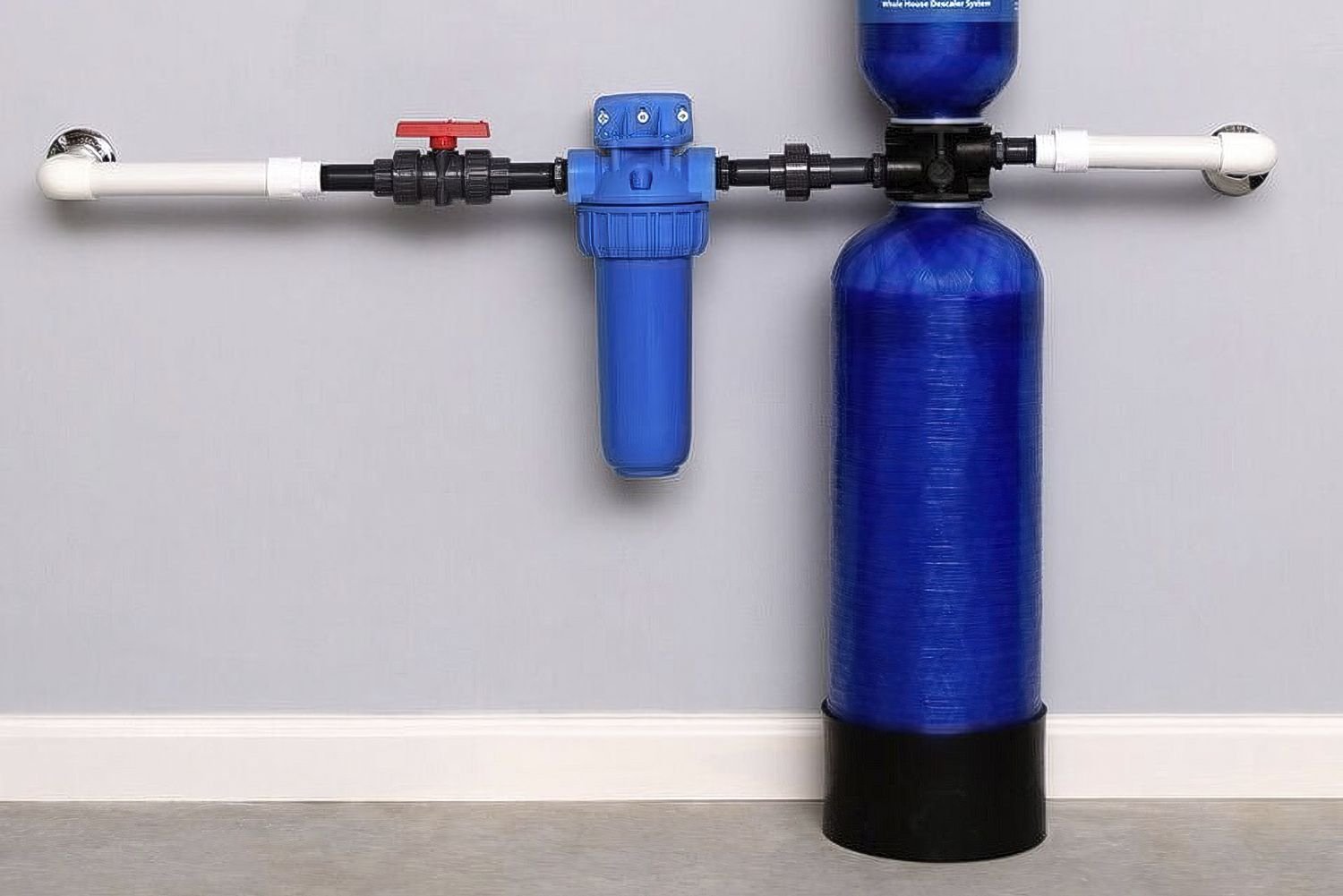
Modern effective water softeners do much more than eliminate white mineral stains. They help protect the entire plumbing system by removing calcium and magnesium before those minerals circulate through your home.
Most traditional water softeners use an ion exchange process, replacing hardness minerals with sodium or potassium ions. Once treated, the softened water greatly reduces mineral deposits throughout pipes and appliances.
Many homeowners notice improvements almost immediately. Soap creates richer lather, dishes appear cleaner, laundry feels softer, and shower doors remain cleaner for much longer between scrubbings.
Perhaps even more important, appliances no longer have to work against constant mineral accumulation, helping extend their usable lifespan.
Looking Beyond a Single Fixture
Some homeowners start with small countertop filters or faucet attachments, believing they’ll solve every water issue. While those products certainly have their place, they only treat water at a single location.
If hard water affects your entire home, isolated filters won’t protect water heaters, washing machines, plumbing lines, or dishwashers.
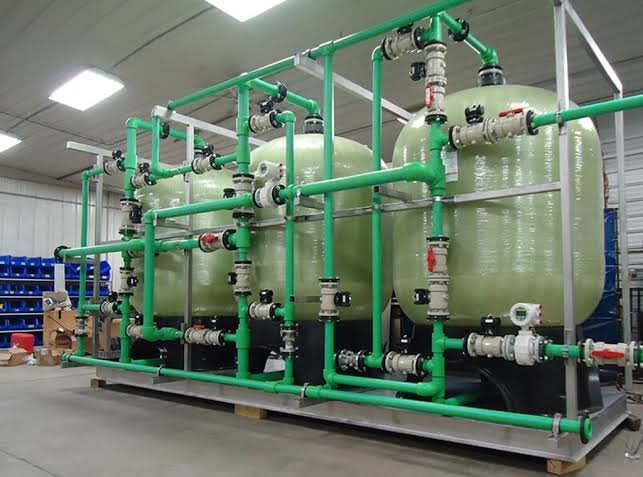
That’s why many families eventually consider whole-house solutions that treat water as it enters the property. Every faucet, shower, appliance, and plumbing fixture benefits from softened water instead of only one sink or drinking tap.
Although the initial investment is greater, many homeowners find that lower maintenance costs, reduced appliance repairs, and improved efficiency offset much of that expense over time.
Finding the Best System for Your Home
Not every household has the same water quality. Water hardness levels vary significantly depending on local geology and municipal water sources.
Before purchasing any equipment, it’s worth testing your home’s water. A professional analysis can identify hardness levels along with other concerns such as iron, manganese, sulfur, or sediment.
The right system depends on several factors:
- Household size
- Daily water usage
- Water hardness level
- Plumbing layout
- Maintenance preferences
- Budget
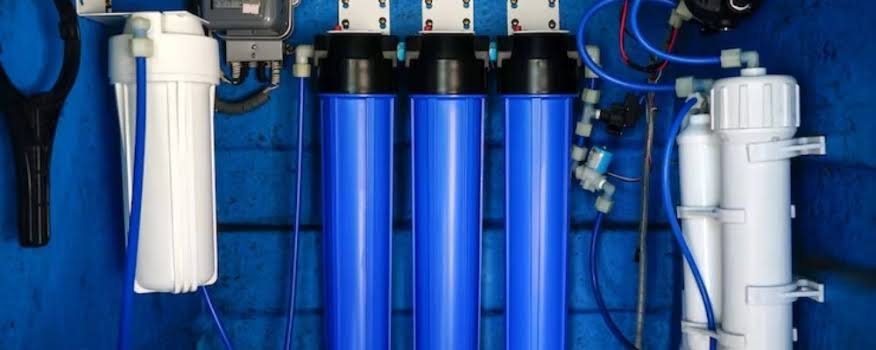
Some homes require only a standard softener, while others benefit from combining softening with filtration for additional water quality improvements.
Taking time to understand your specific needs usually leads to better long-term results than simply buying the biggest or most expensive unit available.
Why Professional Installation Often Pays Off
Installing a water softener may look straightforward in online tutorials, but plumbing systems vary considerably from one home to another.
Proper sizing, installation location, drain connections, bypass valves, and programming all affect how efficiently the system performs. Even a high-quality softener won’t provide ideal results if it’s incorrectly installed.
Seeking expert guidance helps homeowners avoid common mistakes while ensuring the equipment is matched to their actual water conditions rather than guesswork.
Professionals can also explain ongoing maintenance requirements, salt usage, regeneration settings, and routine servicing so the system continues performing efficiently for years.
Long-Term Benefits That Go Beyond Cleaner Water
One of the biggest surprises homeowners mention after installing a water softener isn’t just cleaner fixtures—it’s how many small frustrations quietly disappear.
Cleaning products work better because soap can actually rinse away instead of reacting with hardness minerals. Glass shower doors stay clearer. Faucets require less scrubbing. Clothes often feel softer and maintain their colors longer.
Water heaters generally operate more efficiently, which may contribute to lower energy consumption over time. Dishwashers and washing machines experience less internal mineral buildup, helping preserve their performance.
These improvements may seem modest individually, but together they create a home that’s easier to maintain and less expensive to operate.
A Smarter Investment for the Future
Hard water rarely causes dramatic problems overnight. Instead, it quietly chips away at plumbing systems, appliances, fixtures, and household efficiency one day at a time.
Choosing the right water treatment system is less about solving today’s mineral spots and more about protecting tomorrow’s repairs. Whether you’re building a new home or improving an older one, investing in quality water treatment can reduce maintenance, extend appliance life, and improve everyday comfort.
The best water softener isn’t simply the one with the longest feature list. It’s the one that fits your home’s needs, works reliably, and helps you spend less time worrying about hard water and more time enjoying the place you call home.