There’s something easy to overlook about water. It’s always there—flowing from the kitchen tap, filling the kettle, running through the shower—and because it feels so ordinary, most of us rarely stop to wonder what’s actually in it. We notice the obvious things, of course. Maybe dishes come out with cloudy spots, soap refuses to lather properly, or drinking water has a strange taste after heavy rain. But beyond those everyday annoyances, the quality of your water quietly influences comfort, health, and even the lifespan of your home.
The truth is, no two water sources are exactly alike. A family using municipal water may face completely different challenges than someone relying on a private well. That’s why understanding your home’s water isn’t about following trends—it’s about making practical decisions that fit your situation.
Understanding What Your Water Is Really Telling You
Water carries a story. Minerals, sediments, chlorine, iron, sulfur, and countless other naturally occurring elements can all shape how water looks, smells, and performs. Some are harmless but inconvenient, while others deserve closer attention.
For example, hard water is incredibly common in many regions. It isn’t unsafe to drink, yet it can leave scale inside pipes, shorten the life of appliances, and make cleaning feel like an endless battle. Many homeowners spend years replacing fixtures or scrubbing stubborn stains without realizing that the water itself is the underlying cause.
Paying attention to these subtle clues often saves money in the long run. Sometimes the smallest changes in water quality create the biggest household frustrations.
Why Testing Comes Before Any Solution
It’s tempting to buy the first filtration device you see online. After all, advertisements promise crystal-clear water in just a few minutes. Unfortunately, guessing rarely works.
A professional provides a much clearer picture of what’s happening. Rather than treating every water issue the same, testing identifies specific concerns such as excessive hardness, iron, manganese, chlorine, bacteria, or other contaminants that may be present.
Think of it like visiting a doctor. You wouldn’t expect medication before getting a proper diagnosis. Water deserves the same approach. Once you know exactly what’s in your supply, choosing the right solution becomes far easier—and often less expensive than trial and error.
Hard Water Is More Than Just an Annoyance
Many people assume hard water is only a cosmetic issue because they notice white deposits on faucets or shower doors. While those signs are easy to spot, the hidden effects often matter more.
Mineral buildup slowly accumulates inside plumbing lines, water heaters, coffee machines, washing machines, and dishwashers. Over time, efficiency drops while energy consumption rises. Heating elements work harder, appliances wear out sooner, and maintenance costs quietly add up.
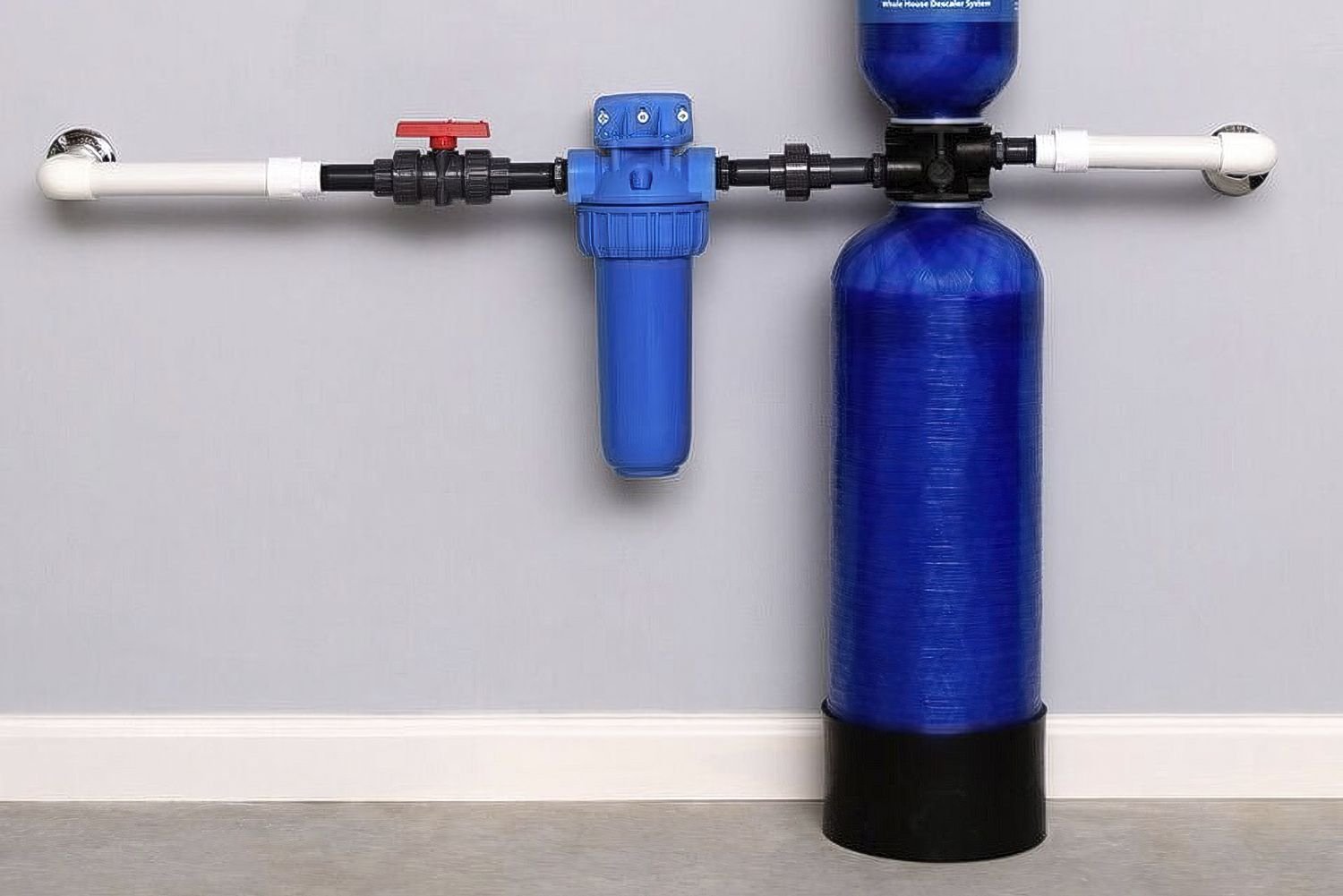
Installing a water softener can significantly reduce these mineral deposits, helping plumbing systems operate more efficiently while extending the life of expensive household equipment. Many homeowners also notice softer laundry, smoother skin after showering, and cleaner dishes without constantly relying on additional detergents.
It’s one of those upgrades people rarely think about—until they experience the difference every day.
Every Home Has Different Water Needs
One of the biggest misconceptions about water filtration is believing there’s a universal solution. There really isn’t.
A household dealing with chlorine taste requires something water quality analysis entirely different from a family struggling with sulfur odors. Likewise, well **water quality analysis **water often presents challenges that city water simply doesn’t.
That’s why customized solutions usually outperform generic products. Understanding both the water source and daily household usage helps determine what level of treatment actually makes sense.
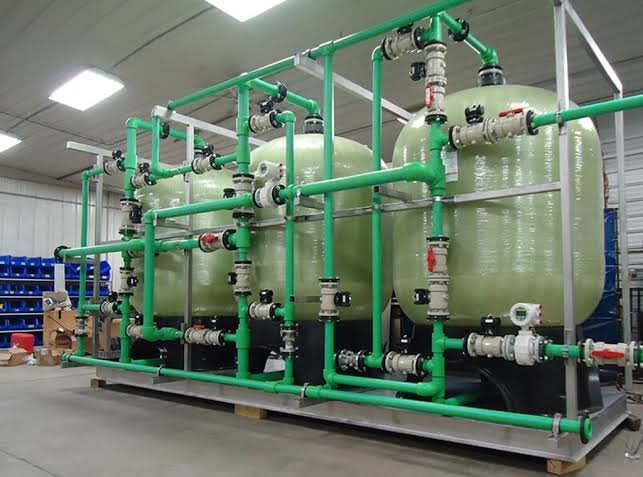
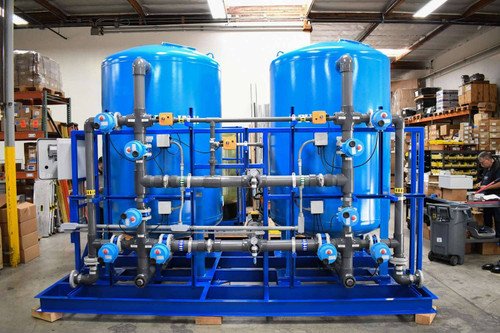
Sometimes a simple carbon filter is all that’s needed. Other homes benefit from multi-stage filtration, ultraviolet disinfection, reverse osmosis, or specialized mineral removal. The goal isn’t buying the most expensive equipment—it’s installing equipment that solves the actual problem.
Looking Beyond the Kitchen Sink
People naturally focus on drinking water, but water flows through every part of the house. Bathrooms, laundry rooms, outdoor faucets, water heaters, and kitchen appliances all interact with the same supply.
A properly selected improves much more than water treatment system what comes out of the kitchen tap. Cleaner water can reduce scale throughout the home, improve shower quality, protect plumbing infrastructure, and help household appliances perform more efficiently for years.
That broader perspective often changes how homeowners evaluate the value of water treatment. Instead of viewing it as a luxury, it becomes an investment in the entire property.
Maintenance Matters More Than Most People Expect
Even excellent equipment requires occasional care. Filters eventually become saturated, resin beds need maintenance, and certain systems benefit from periodic inspections.
Fortunately, modern water treatment products are much easier to maintain than older generations. Many feature automated regeneration cycles, monitoring systems, and simplified filter replacement schedules.
Ignoring maintenance, however, defeats the purpose of installing quality equipment in the first place. A well-maintained system continues delivering reliable performance year after year, while neglected equipment gradually loses effectiveness.
It’s a bit like changing the oil in your car. The process isn’t complicated, but consistency makes all the difference.
Better Water Creates Everyday Comfort
One interesting thing about improving water quality is that the benefits rarely arrive all at once. Instead, they quietly become part of everyday life.
You notice towels staying softer. Coffee tastes a little cleaner. Soap rinses away more easily. Water heaters recover faster. Glassware sparkles without extra polishing. Even the shower feels different somehow.
None of these improvements seem dramatic individually, yet together they create a noticeably more comfortable home environment.
That quiet consistency is exactly what makes good water so valuable. Once you’ve experienced it, it’s surprisingly difficult to imagine going back.
Final Thoughts
Water is something we depend on every single day, yet it’s easy to forget how much influence it has on our homes, health, and daily routines. Rather than guessing or settling for recurring problems, taking time to understand your water is one of the smartest home improvement decisions you can make.
Whether your concern is stubborn hard water, unpleasant odors, unusual taste, or protecting expensive appliances, the right solution begins with knowledge—not assumptions. A thoughtful evaluation followed by equipment tailored to your home’s needs delivers benefits that extend far beyond cleaner drinking water.
In the end, better water isn’t really about technology. It’s about making everyday life a little easier, a little healthier, and a lot more enjoyable—one glass, one shower, and one load of laundry at a time.