Good water is one of those things you barely notice until something changes. Maybe the shower suddenly leaves your skin feeling dry. Perhaps the kettle develops a chalky layer, or the water coming from the tap smells faintly of chlorine. In homes that rely on private wells, there can be even more concerns, from sediment and minerals to unpleasant odors.
The good news is that improving household water quality doesn’t always mean making the process complicated. The key is understanding what’s actually in your water and choosing a treatment approach that addresses the specific problem. A thoughtful water treatment setup can make everyday water more pleasant while also helping protect plumbing fixtures and appliances.
Start With the Water, Not the Equipment
It’s tempting to browse water filters and treatment systems first. But that’s a little like buying medicine before knowing what’s wrong.
Water quality varies significantly from one location to another, and even homes in the same neighborhood can have different concerns. Municipal water may contain disinfectants and trace minerals, while well water can have hardness, iron, manganese, sulfur odors, or sediment.
A water test provides a much clearer starting point. Testing can identify issues such as hardness, pH, chlorine, iron, bacteria, nitrates, and certain other contaminants. Once you know what you’re dealing with, it becomes much easier to select the right technology.
That matters because there isn’t one filter that magically fixes everything. Carbon filtration, water softening, reverse osmosis, ultraviolet treatment, and sediment filtration all serve different purposes.
Why Whole-Home Treatment Can Make Sense
A drinking-water filter at the kitchen sink can be useful, but it only treats water at one location. If the concern affects water throughout the house, a more comprehensive approach may be worth considering.
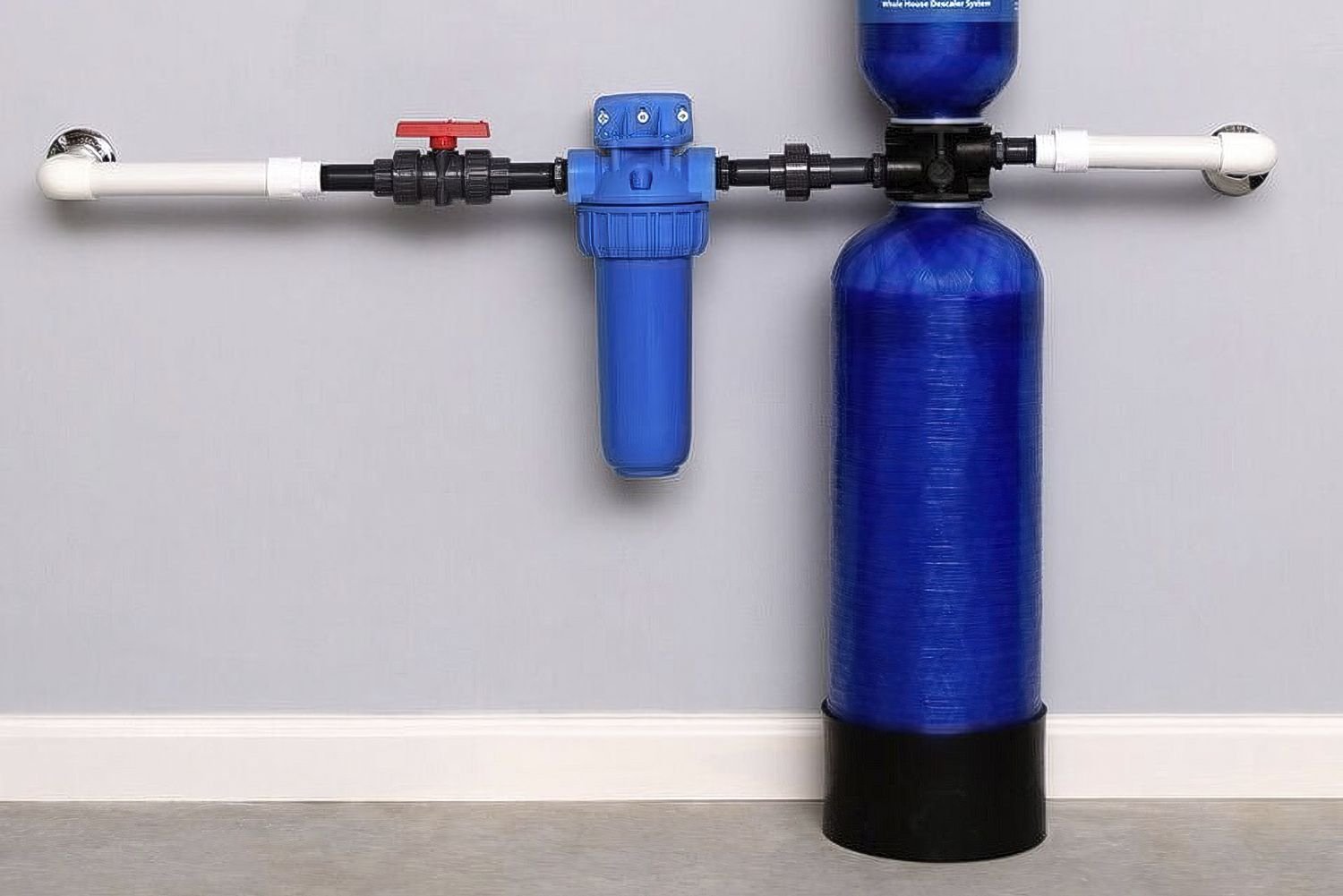
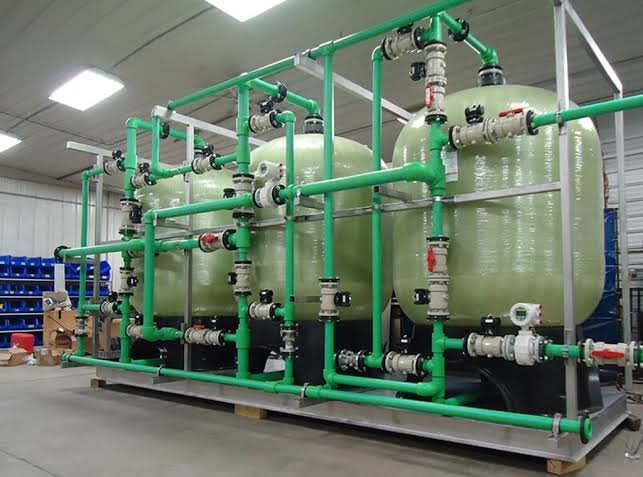
whole house systems are designed to treat water as it enters the property, allowing treated water to reach showers, bathrooms, laundry areas, kitchens, and other fixtures. Depending on the system, treatment may focus on sediment, chlorine, hardness minerals, odors, or other specific water-quality concerns.
There’s a practical benefit here that’s easy to overlook. Water quality isn’t just about what you drink. You use water for bathing, washing clothes, cleaning dishes, and running appliances every single day.
For example, hard water can contribute to mineral deposits on faucets and showerheads. Over time, scale may also affect water-using appliances. Treating the water throughout the home can therefore be about comfort as much as convenience.
Still, whole-home treatment isn’t automatically the right answer for every property. The system should be matched to the test results, household water usage, plumbing configuration, and the specific contaminants present.
Understanding Water Treatment Chemicals
The phrase “water treatment chemicals” can sound intimidating, especially when the goal is cleaner, safer water. In reality, chemical treatment is a broad category, and different products are used for very different purposes.
Some treatment processes use disinfectants to control microorganisms. Others may use chemicals to adjust pH, oxidize certain dissolved substances, or support filtration. In specialized applications, carefully controlled chemical treatment can be an important part of making water suitable for a particular use.
The important word is controlled.
Homeowners shouldn’t add treatment chemicals based on guesswork or online advice alone. Incorrect dosing can create new problems instead of solving the original one. Professional evaluation, manufacturer instructions, and appropriate testing are important whenever chemical treatment is involved.
For many residential situations, chemical-free technologies may also be available. Carbon filters, membrane filtration, UV systems, and other approaches can address particular water concerns without relying on chemical dosing. The best choice depends on the water itself.
Don’t Ignore the Small Parts
A water treatment system isn’t just a large tank sitting somewhere in the basement, garage, or utility area. Behind the scenes, plenty of smaller components keep everything working properly.
Valves, fittings, filter housings, cartridges, O-rings, tubing, connectors, pressure gauges, and control components can all play a role. When one small piece fails, the entire system may stop performing as expected.
This is why quality matters when replacing water treatment parts. A component that looks similar isn’t necessarily the correct match. Differences in size, pressure rating, material, compatibility, or connection type can affect performance and reliability.
Maintenance is another piece of the puzzle. Filters have a service life. Resin can require regeneration or replacement. UV lamps eventually lose effectiveness. Tanks and valves may need inspection.
Skipping routine maintenance because “the water still looks fine” can be misleading. Many water-quality problems aren’t visible, and some equipment issues develop gradually.
Choosing the Right Filtration Technology
Different water problems call for different solutions.
Sediment filtration is useful when sand, dirt, rust particles, or other suspended material are present. It can also protect downstream treatment equipment.
Activated carbon filtration is commonly used to improve taste and odor and reduce certain substances such as chlorine, depending on the filter design.
Water softeners address hardness caused primarily by calcium and magnesium. They don’t function as general-purpose filters, but they can be highly effective when hard water is the main concern.
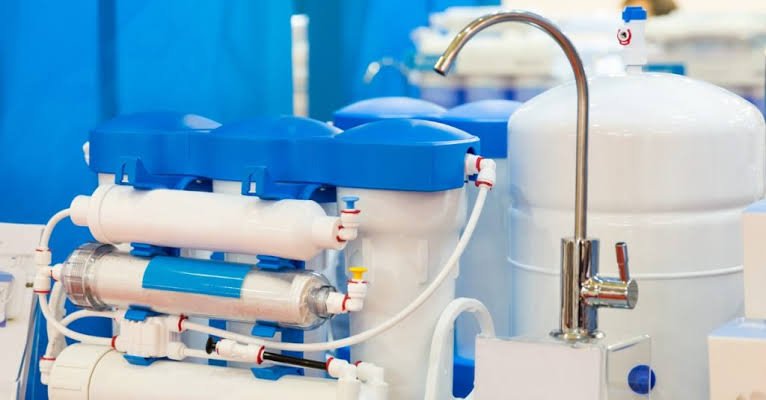
Reverse osmosis uses a membrane to reduce many dissolved contaminants and is often installed at a specific drinking-water point rather than treating every gallon entering the home.
UV treatment can be used to help control microorganisms in suitable water supplies, particularly when the system is properly designed and maintained.
The trick is not choosing the most sophisticated technology available. It’s choosing the technology that actually solves the problem.
Maintenance Is Part of Water Quality
Even the best-designed system needs attention.
Homeowners should keep track of filter replacement schedules, inspect equipment for leaks, and follow manufacturer maintenance instructions. If water pressure changes unexpectedly, odors return, or treated water starts tasting different, it’s worth investigating rather than simply replacing random components.
For more complicated systems, professional servicing can save time and prevent small issues from becoming expensive repairs. A technician can inspect valves, connections, tanks, membranes, controls, and other components that aren’t always obvious to a homeowner.
And if you move into a new house, don’t assume the existing equipment is still properly maintained. Ask when filters were changed, whether the system has been serviced, and whether a recent water test is available.
A Smarter Way to Improve Household Water
Water treatment doesn’t have to be mysterious. It starts with a simple question: What is actually wrong with the water?
From there, testing can guide the decision. Maybe you need sediment filtration. Maybe hardness is the real culprit. Perhaps taste and odor are the main complaints, or your property has a more specific contaminant concern. In some cases, a combination of technologies makes the most sense.
The best treatment setup is rarely the one with the longest list of features. It’s the one that’s properly sized, correctly installed, maintained regularly, and suited to the water entering your home.
After all, clean, comfortable water is something you rely on every day. A little attention to what’s coming through your taps can go a surprisingly long way toward making the whole home feel better.