Water is something we use constantly, yet we rarely stop to ask whether it is working well for us. We notice when the taste changes, when mineral spots start appearing on the kitchen faucet, or when a shower leaves behind more residue than expected. At that point, water quality suddenly becomes a very real household concern.
The challenge is figuring out what to do about it. There are softeners, filters, conditioning systems, reverse osmosis, and specialized purification equipment. With so many choices, it’s easy to assume that the most advanced system must be the best one. Not necessarily.
The right answer usually begins with understanding the water you already have.
Start With a Proper Water Assessment
Before purchasing treatment equipment, test the water. It sounds simple, but this step is often skipped.
Water can contain different levels of hardness, sediment, chlorine, iron, sulfur, dissolved minerals, and other substances. Municipal water and private well water can also have very different characteristics. Even nearby properties may experience different water issues because plumbing and local conditions aren’t always identical.
Testing gives you useful information instead of leaving you to guess.
Once you know what is actually present, selecting treatment technology becomes much easier. You’re no longer shopping for a system because it sounds impressive. You’re choosing equipment because it addresses a specific problem.
Every Water Supply Has Its Own Personality
There really isn’t a universal water-treatment formula. One household might mainly struggle with hard water, while another is more concerned about taste and odor. A business may need water treated for a completely different purpose.
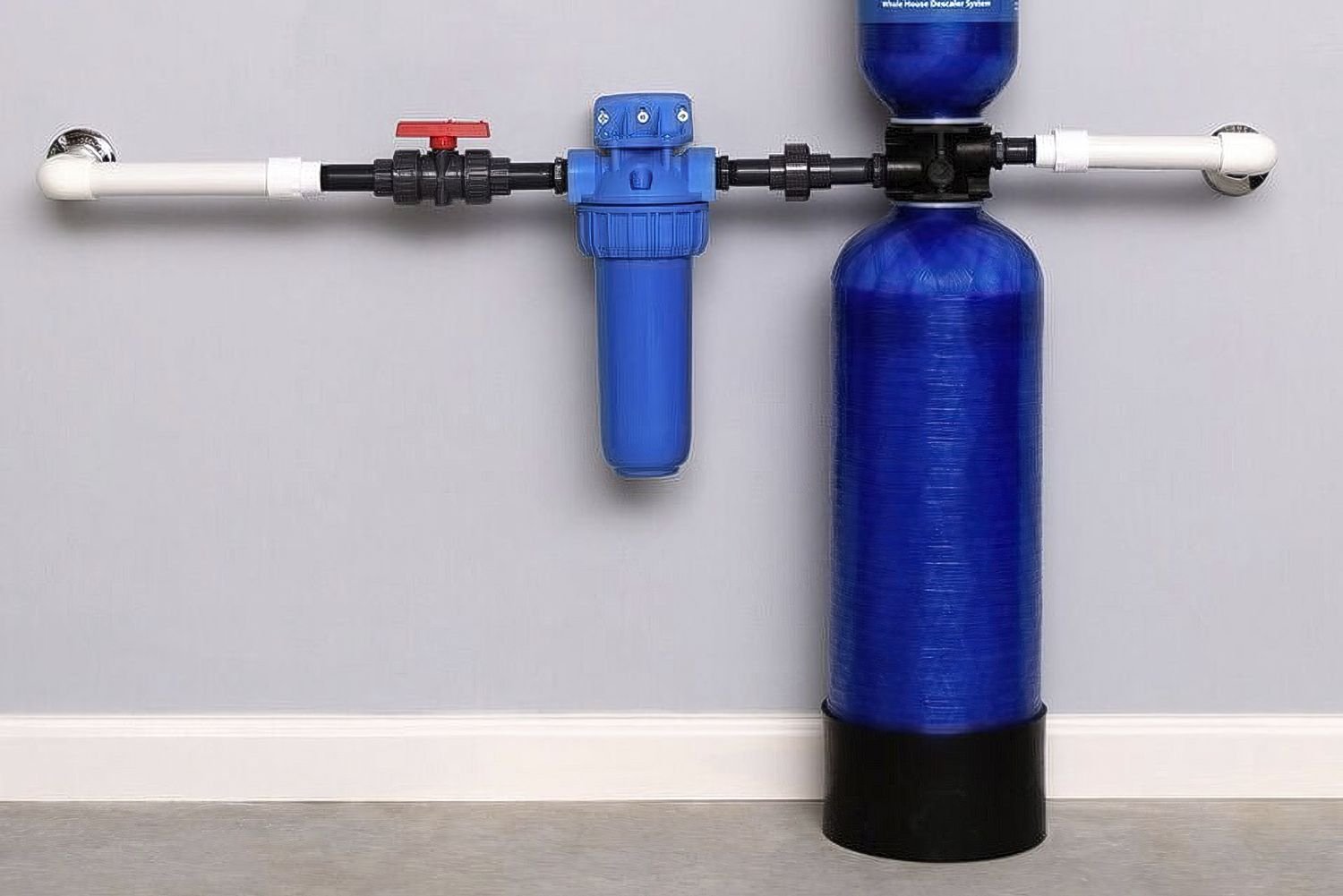
That’s why a custom system for your water supply can be a sensible approach. The system should be selected around water chemistry, household demand, available space, and the way the water will be used.
It’s a little like buying a pair of shoes. You don’t choose the largest or most expensive pair simply because they’re available. You choose the ones that actually fit.
Water treatment works in much the same way.
Hard Water Can Affect Everyday Life
Hard water contains minerals such as calcium and magnesium. These minerals are naturally occurring, but high levels can create noticeable problems around the property.
You may see white scale around faucets, showerheads, and sinks. Glassware can develop spots, while soap and shampoo may not rinse as easily. Some water-using appliances can also experience mineral buildup over time.
The frustrating thing is that hard water rarely causes one giant problem overnight. Instead, it creates lots of little ones.
You clean the shower glass. A few days later, it’s cloudy again. You wipe the faucet. The white deposits return. Eventually, you start wondering why cleaning the bathroom feels like a full-time job.
Commercial Water Needs Are Different
Businesses often have much higher water demands than residential properties. Restaurants, hotels, offices, laundries, healthcare facilities, and manufacturing operations may all use large quantities of water throughout the day.
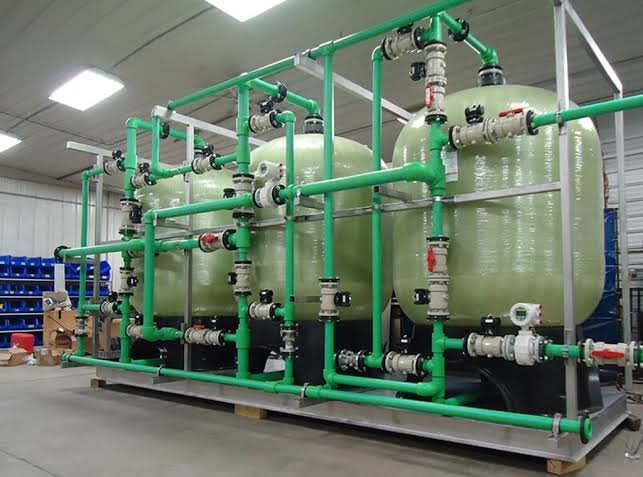
For properties dealing with hardness, commercial water softeners may be an important part of the overall treatment strategy.
But commercial equipment needs to be sized carefully. Flow rate, peak water usage, operating hours, plumbing configuration, and water chemistry all matter.
A system that works perfectly in a small home isn’t automatically suitable for a busy restaurant or industrial facility. In a commercial setting, insufficient capacity can quickly become a practical problem.
That’s why professional sizing is so important.
Not Every Problem Requires a Softener
One common mistake is assuming that every water-quality issue is caused by hardness.
It isn’t.
A softener is primarily designed to address hardness minerals. If the problem is sediment, chlorine taste, unpleasant odors, or a particular contaminant, another filtration technology may be more appropriate.
Sometimes multiple treatment stages are used together. For example, one component may remove sediment before another stage handles taste or dissolved substances.
This is why testing and professional evaluation can be more valuable than simply copying a neighbor’s setup.
Understanding Deionization
Some applications require water with very low concentrations of dissolved ions. That’s where deionization systems can become useful.
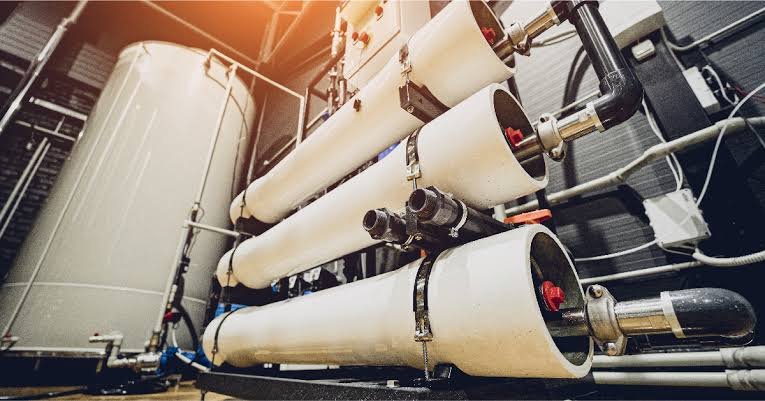
Deionization uses ion-exchange technology to reduce dissolved charged particles from water. It can be valuable in certain laboratories, manufacturing environments, electronics applications, and other processes where mineral content needs to be tightly controlled.
This isn’t generally the first solution a homeowner should consider simply because tap water tastes different. Deionization is a specialized treatment method designed for particular requirements.
And that’s an important lesson in water treatment: advanced doesn’t always mean appropriate.
The best technology is the one that solves the problem you actually have.
Think About Your Appliances
Your appliances depend on the same water that comes out of your faucet.
Water heaters, washing machines, dishwashers, ice makers, coffee equipment, and other water-using devices can all be exposed to the minerals and substances present in the supply.
Hard-water scale, for instance, can accumulate inside components over time. Sediment may create different problems depending on the water source and equipment.
Treating water won’t guarantee that an appliance never breaks down. Machines still age, seals wear out, and electronics occasionally decide to have a bad day.
But addressing known water-quality concerns can be part of a sensible strategy for protecting equipment and maintaining performance.
Maintenance Should Be Part of the Conversation
A water treatment system isn’t completely maintenance-free.
Filters have service lives. Softening equipment may require routine attention. Deionization equipment can require resin management or replacement. More complicated systems may need periodic professional inspection.
Before buying anything, ask what ongoing maintenance looks like.
How often do filters need to be replaced? What consumables are required? Is professional service recommended? What are the expected annual operating costs?
These questions may seem boring during the buying process, but they become very important later.
A system that’s easy to maintain is often more valuable than one with impressive features that becomes difficult or expensive to operate.
Don’t Let Price Tell the Whole Story
Budget matters, of course. But comparing systems based only on the purchase price can be misleading.
Think about installation, replacement parts, maintenance, operating costs, expected lifespan, and the consequences of leaving the water problem untreated.
For a commercial operation, even a small water-quality issue can become expensive if it contributes to equipment problems or interruptions.
At home, the costs may show up through frequent cleaning, appliance maintenance, or constant bottled-water purchases.
Looking at the bigger picture gives you a much more realistic idea of value.
The Best System Is the One You Don’t Notice
A good water-treatment system shouldn’t dominate your life.
Once properly installed and maintained, it should quietly do its job while you get on with yours. You shouldn’t have to think about water every time you make coffee, take a shower, or start the washing machine.
That’s ultimately what makes the right treatment system worthwhile.
It isn’t about having the fanciest equipment in the neighborhood. It’s about having water that’s better suited to your home, business, appliances, and everyday needs.
The Bottom Line
Choosing water treatment doesn’t have to be complicated. Start by testing the water, identify the actual concern, and then compare technologies that are designed to address it.
Whether you’re managing hard water at home, considering commercial water treatment, or dealing with specialized applications that require highly purified water, the same basic principle applies: understand first, choose second.
A properly matched system can make cleaning easier, support equipment, improve the everyday experience of using water, and provide greater confidence in the water flowing through your property.
Sometimes the best improvement is the one you barely notice. You turn on the faucet, fill your glass, and simply get on with your day.