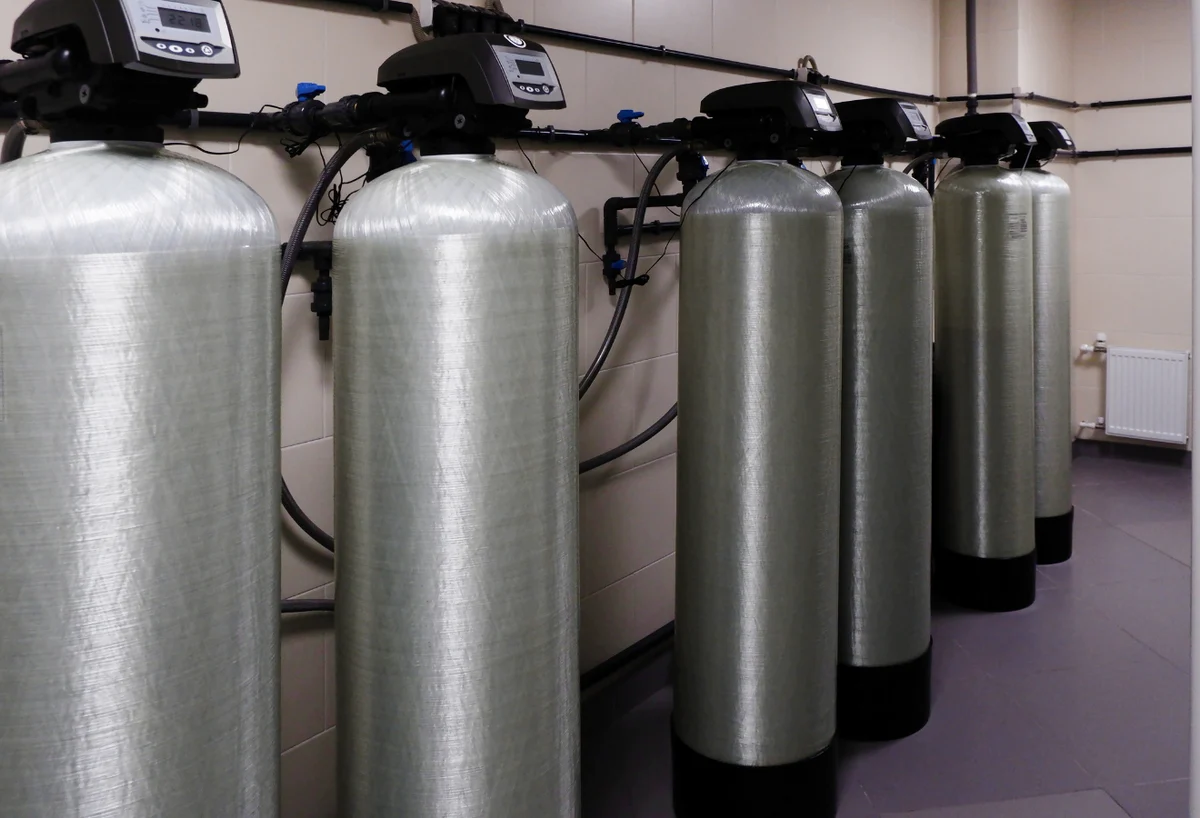
A water treatment system is one of those household investments you tend to forget about once it’s installed. The water tastes better, the white deposits around the faucets become less noticeable, and everyday chores feel a little easier. Life moves on, and the equipment quietly does its job in the background. That is, until the water starts tasting different or the system suddenly needs attention.
Like most things around the house, water treatment equipment performs best when it receives a bit of care. Filters wear out, softeners need routine attention, and even well-designed systems can lose effectiveness when small maintenance tasks are ignored. The good news is that looking after your equipment doesn’t have to be complicated. A few sensible habits can help you avoid unnecessary problems and keep your water system working as intended.
Begin With an Understanding of Your Water
Before thinking about filters or replacement parts, it’s worth knowing what your system is designed to accomplish. Some equipment reduces hardness minerals, while other systems target sediment, particular chemicals, or substances that affect drinking-water taste. The maintenance requirements depend largely on the technology installed and the characteristics of your water.
A suitable water testing routine can help you understand whether the system continues to perform as expected. Testing may be particularly useful if you rely on a private well, have previously identified contaminants, or notice changes in the water’s taste, appearance, or smell. The right tests depend on your water source and the concerns being investigated.
Keep copies of previous test results rather than treating each report as a separate document. Comparing results over time can help reveal changes that might otherwise go unnoticed. For health-related contaminants, use an appropriate testing method and consider a certified laboratory. A basic in-home screening isn’t necessarily enough to establish whether water is safe.
Testing can also help prevent unnecessary equipment purchases. If a particular issue has already been addressed, there may be no reason to add another filtration stage unless the results or household circumstances justify it.
Why Routine Maintenance Matters
Filters and treatment components don’t last forever. Sediment cartridges gradually collect particles, carbon media has a limited service life, and reverse osmosis membranes eventually need replacement. Water softeners have their own requirements, including checking salt levels and ensuring that regeneration operates correctly.
Regular maintenance helps keep these components working within their intended limits. It also gives you an opportunity to spot small problems before they become expensive repairs. A loose connection, a minor leak, or a filter housing that isn’t seated properly may be easy to address early, but leaving it unnoticed can create a bigger headache.
Start by reading the manufacturer’s instructions. Replacement intervals vary according to the equipment, water conditions, and how much water passes through the system. A cartridge used in a household with heavy sediment may need attention sooner than one operating under lighter conditions.
Don’t rely entirely on taste or appearance to determine when a filter needs replacing. Some contaminants have no obvious sensory signs, and a filter can lose effectiveness without making the water look different. Following the recommended schedule is generally more dependable than waiting for a noticeable change.
Don’t Forget the Practical Details
Maintenance is easier when the equipment is accessible and you know what to check. Make sure filter housings can be opened safely, replacement parts are easy to identify, and the surrounding area stays reasonably clean. If your system has a storage tank, membrane, electronic controls, or additional treatment stages, learn which components need periodic inspection.
Pay attention to water pressure as well. A gradual reduction in flow can sometimes indicate a clogged filter, although plumbing restrictions and other issues may cause similar symptoms. Check the manufacturer’s guidance before attempting repairs, and contact a qualified technician if the cause isn’t clear.
Keep a simple record of installation dates, filter changes, service visits, and unusual observations. It doesn’t need to be an elaborate spreadsheet. A few notes on your phone can save time later, particularly when you need to remember which cartridge was installed or when the system was last inspected.
Managing Salt Delivery for Water Softeners
Traditional ion-exchange water softeners require salt or another approved regeneration material to restore their capacity to reduce hardness. If the salt supply runs low, the system may not regenerate as intended, allowing hardness-related deposits to return.
For households using these systems, reliable salt delivery can make routine care more convenient. Having the correct salt available before the supply runs out helps prevent last-minute trips and makes it easier to follow the manufacturer’s recommendations.
Check the salt level periodically, but avoid assuming that filling the brine tank to the top is always the right approach. The appropriate level and type of salt depend on the model. Some systems also benefit from occasional checks for salt bridging or buildup, where applicable.
Use only the material specified or approved by the manufacturer. Different systems have different requirements, and substituting an unsuitable product may affect operation. If you notice that the softener is consuming salt unusually quickly or hardness seems to have returned despite a full tank, the problem may involve settings, regeneration, or another component rather than the salt supply alone.
Recognizing When Professional Service Is Needed
There are plenty of simple tasks homeowners can handle themselves, such as checking a visible leak or recording a filter replacement date. Other problems deserve professional attention, particularly when they involve plumbing connections, electrical components, persistent pressure changes, or uncertain water-quality results.
Contact a qualified technician if the system repeatedly fails to regenerate, develops recurring leaks, makes unfamiliar noises, or no longer delivers the expected performance after routine maintenance. Avoid dismantling equipment when you aren’t sure how it works. An attempted quick fix can sometimes cause more trouble than the original issue.
It’s also sensible to arrange an inspection if your water source changes or the system has been inactive for an extended period. Follow the manufacturer’s instructions for flushing, sanitizing, and restarting equipment where these steps are required.
Build a Maintenance Routine That Fits Your Life
The easiest maintenance plan is one you can realistically follow. Set reminders for filter changes, check the softener when you replenish household supplies, and review your water-test records occasionally. If professional servicing is recommended, schedule it before a problem becomes urgent.
Most importantly, pay attention when something changes. Water that suddenly tastes unusual, a return of scale, or a noticeable drop in flow deserves investigation rather than guesswork.
A reliable water treatment system doesn’t need constant attention, but it does need consistent care. By understanding your equipment, following its maintenance schedule, and seeking help when necessary, you can protect your investment and reduce the chance of unexpected problems.
In the end, good water treatment isn’t just about choosing the right equipment on installation day. It’s about keeping that equipment in suitable condition for the years that follow. A little routine care can make the process simpler, more predictable, and easier to manage as part of everyday home life.