A water treatment system often goes unnoticed when everything works as it should. Water tastes fine, appliances run normally, and there are no stubborn mineral stains around the kitchen sink. But when a filter becomes clogged, pressure drops, or a softener stops working properly, the inconvenience can quickly become part of everyday life.
For businesses, the consequences can be even more significant. Restaurants, offices, healthcare facilities, and manufacturing operations may depend on consistent water quality to carry out routine tasks. An unexpected equipment problem can interrupt work, increase expenses, and create avoidable stress for employees.
That’s why owning a water treatment system involves more than choosing the right equipment. Regular inspections, timely repairs, and access to knowledgeable technicians all help maintain reliable performance. With a practical maintenance plan, homeowners and business operators can address small concerns before they become expensive problems.
Why Water Treatment Systems Need Regular Attention
Water treatment equipment operates under different conditions depending on the incoming water supply, daily consumption, and the type of treatment involved. Over time, filters collect particles, softener components wear down, and valves or pumps may need adjustment. Even a well-installed system requires occasional attention.
Hard water provides a familiar example. A water softener can reduce calcium and magnesium, helping limit scale buildup in pipes, fixtures, and appliances. However, if the system runs out of salt or develops a mechanical fault, hardness may begin to return. White deposits around taps can be an early clue that something needs checking.
Filtration systems have their own maintenance requirements. A clogged cartridge may restrict water flow, while an overdue replacement can affect treatment performance. The exact replacement schedule depends on the manufacturer’s instructions, water quality, and actual usage.
Not every change means the equipment has failed. Sometimes a simple adjustment resolves the issue. The important thing is to investigate unusual changes rather than ignore them or immediately replace the entire system.
A basic maintenance record can help. Keep track of installation dates, filter replacements, inspections, and previous repairs. These details make it easier to spot recurring problems and help technicians diagnose faults more efficiently.
The Value of Commercial Water Treatment Support
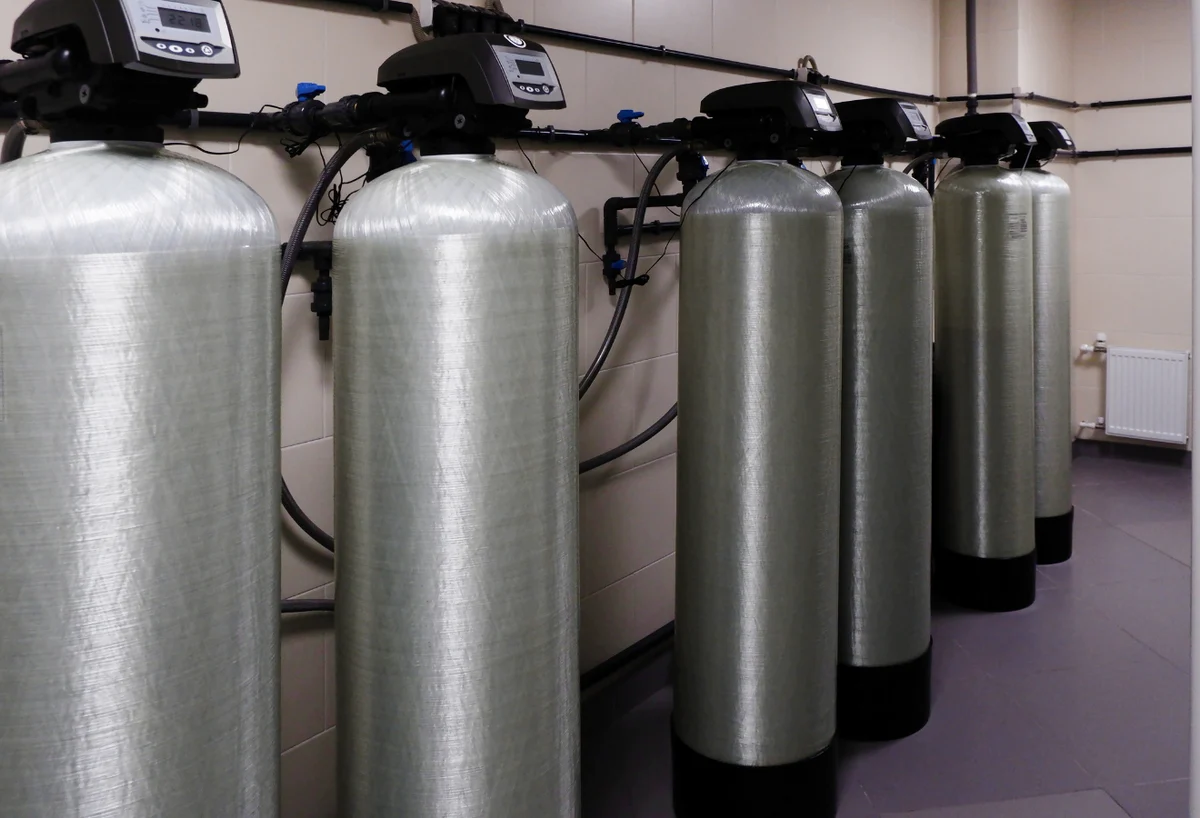
Businesses often use more water than a typical household, and their needs can be more complicated. A restaurant may need reliable water for food preparation, dishwashing, and beverage equipment. A hotel may have multiple water softeners and filtration units serving different areas. Industrial facilities may depend on specific water characteristics for their processes.
Effective commercial service & support helps businesses keep these systems operating as intended. Depending on the provider and equipment, services may include scheduled inspections, filter changes, troubleshooting, performance checks, and emergency repairs.
For commercial operators, preventive maintenance can be more economical than repeatedly responding to breakdowns. A planned service visit may identify a worn seal, an unusual pressure reading, or a filter approaching the end of its useful life. Addressing such issues early can reduce the likelihood of an unexpected interruption.
Service planning should reflect how critical the equipment is to daily operations. A system supporting an essential production process may require more frequent monitoring than one used for general office drinking water. The schedule should account for manufacturer recommendations, operating conditions, and the consequences of equipment failure.
Businesses should also ask providers about response times, replacement parts, service coverage, and after-hours assistance. A low-cost maintenance agreement isn’t necessarily the best value if help is difficult to obtain when something goes wrong.
What to Expect From a Professional Service Visit
A useful service visit should do more than confirm that the equipment switches on. A qualified technician should examine the system’s condition, investigate reported concerns, and explain whether any components need attention.
The inspection may include checking connections for leaks, reviewing pressure and flow, examining valves, assessing filter condition, and confirming that controls operate correctly. For water softeners, the technician may also inspect the brine tank and regeneration settings. Other systems require checks specific to their treatment technology.
Reliable professional service and support should include clear communication. Customers deserve to understand what has been inspected, what was found, and which repairs are recommended. If a component needs replacing, ask why it has failed and whether the replacement is necessary immediately or can be planned for a later date.
A good technician should also explain what the equipment can and cannot do. For example, a water softener is designed primarily to address hardness; it isn’t a universal solution for bacteria or every dissolved contaminant. If water quality is a concern, suitable testing may be needed before recommending additional treatment.
Before the visit ends, make sure you understand any maintenance tasks you can handle yourself. Simple steps, such as checking a salt level or watching for visible leaks, can help you recognize problems sooner. More complex repairs should be left to someone with the appropriate training and equipment.
Recognizing Signs That Your System Needs Attention
Water treatment systems don’t always fail suddenly. In many cases, performance changes gradually, giving owners an opportunity to investigate before the situation becomes more disruptive.
Watch for changes such as reduced water pressure, unusual tastes or odors, recurring mineral deposits, unexpected leaks, or equipment alarms. If a filter system has a service indicator, check the manufacturer’s guidance to understand what it measures. Some indicators estimate filter life based on time or water usage rather than testing the water directly.
If you notice a problem, start by checking the basic operating instructions. An empty salt tank, a closed valve, or an overdue filter replacement may explain certain issues. However, don’t assume that every problem has a simple cause.
Where water quality may affect health or a critical business process, take the concern seriously. Follow relevant safety procedures and obtain appropriate testing or professional advice. A change in appearance or taste can be a useful warning sign, but normal-looking water isn’t proof that every contaminant is absent.
Avoid dismantling unfamiliar equipment or attempting repairs that could cause leaks, electrical hazards, or further damage. When the cause isn’t clear, professional diagnosis is usually the safer and more efficient option.
How to Arrange Service Without Unnecessary Delays
When equipment needs attention, a little preparation can make the service process smoother. Before contacting a provider, note the system’s brand and model, approximate installation date, and any recent maintenance. Describe the problem as clearly as possible, including when it started and whether it occurs continuously or only at certain times.
If you’re ready to schedule service, ask what information the technician needs beforehand and whether the issue requires an urgent visit. Explain any business operating hours or household access restrictions that may affect the appointment.
It’s also helpful to ask about diagnostic fees, labor charges, replacement parts, and warranty coverage before authorizing work. Some problems can be resolved during the first visit, while others require parts to be ordered or additional testing to be completed.
For commercial facilities, coordinate service with the staff responsible for building operations. If the equipment serves a critical area, discuss whether a temporary shutdown is required and how disruption will be managed. Clear planning can prevent a maintenance appointment from creating unnecessary complications elsewhere in the building.
After the visit, retain the service report and recommendations. If follow-up work is needed, agree on the next steps and timing rather than allowing the issue to remain unresolved.
Preventive Maintenance Is a Long-Term Investment
A maintenance plan doesn’t need to be complicated to be effective. Start with the manufacturer’s recommended service intervals, then adjust the schedule according to water conditions, usage, and the importance of the system.
Keep filters and other consumable components within their recommended service life. Check for leaks periodically, maintain water softeners according to their instructions, and arrange inspections when equipment performance changes. Water testing may also be appropriate when the supply changes or when a particular application requires verified water quality.
It’s worth reviewing maintenance expenses once or twice a year. If an older unit requires frequent repairs, compare the cost of continued servicing with the price and expected performance of a replacement. A technician can help explain the equipment’s condition, although the final decision should reflect your budget and operating needs.
Making Reliable Water Support Part of Everyday Operations
Good water treatment depends on more than the equipment itself. Appropriate installation, routine maintenance, timely repairs, and clear technical guidance all contribute to dependable performance.
For homeowners, this can mean fewer unpleasant surprises and less time spent dealing with mineral deposits or malfunctioning filters. For businesses, it can help protect daily operations, reduce avoidable downtime, and support consistent water quality where it matters.
The smartest approach is to pay attention before a minor concern turns into a major disruption. Keep basic records, ask questions, and work with qualified professionals who explain their recommendations clearly. When water systems receive the care they need, they can do their job quietly and reliably, leaving you free to focus on everything else that matters.