Water problems don’t always announce themselves. Sometimes the first clue is an orange ring around the bathtub. Other times, freshly washed clothes come out with strange stains, or a glass of water has a faint metallic taste. You may not immediately connect these little annoyances to your home’s water chemistry, but often, that’s exactly where the story begins.
Iron is a particularly common concern for private well owners. Fortunately, modern water-treatment equipment can address many iron-related problems when it’s correctly matched to the water. Two options homeowners may encounter are specialized iron filters and multimedia filtration tanks.
Understanding how these systems work—and where they’re installed—can make choosing the right solution much less confusing.
Why Iron Appears in Household Water
Iron occurs naturally in soil and rock, so groundwater can pick it up as it moves through underground formations. Well water is therefore more likely to contain noticeable iron than many treated municipal supplies, although conditions vary widely.
Small amounts may not cause much trouble. As concentration increases, however, the effects become easier to notice.
Iron can leave reddish-brown stains on plumbing fixtures, sinks, toilets, and laundry. Some forms can also produce a metallic taste or create unpleasant-looking particles in water.
The important thing is that not all iron behaves in exactly the same way. Dissolved iron may come out of the tap looking clear and then turn orange after being exposed to air. Other forms are already present as suspended particles.
That difference can influence which treatment method works best.
What Iron Filters Are Designed to Do
Iron filters are water-treatment systems intended to reduce iron concentrations in household water. Depending on the design, they may use oxidation, filtration media, or a combination of processes to convert dissolved iron into particles that can then be captured.
The exact technology matters.
Some systems rely on an oxidizing process before filtration. Others use specialized media that help promote iron removal as water passes through the tank.
Because iron chemistry can be complicated, it’s a good idea to test the water before selecting equipment. Iron concentration, pH, manganese, sulfur, hardness, and other characteristics can affect performance.
A filter that works beautifully in one well may perform poorly in another if the chemistry is substantially different.
The Role of Multimedia Filtration
Not every water-quality issue is caused by dissolved iron. Well water can also contain sediment, sand, rust particles, and other suspended material.
This is where multimedia tanks can be useful.
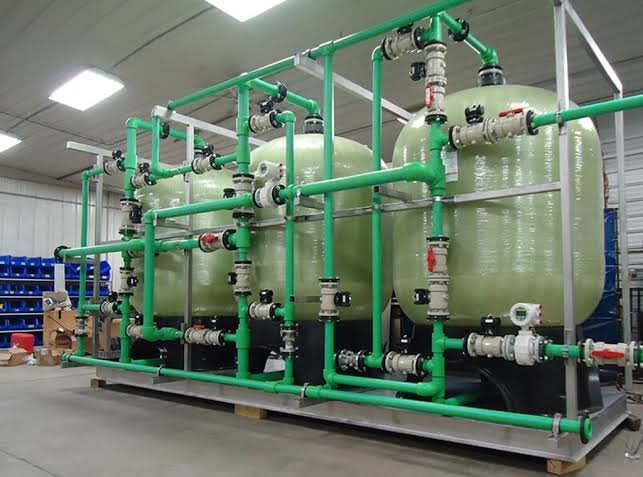
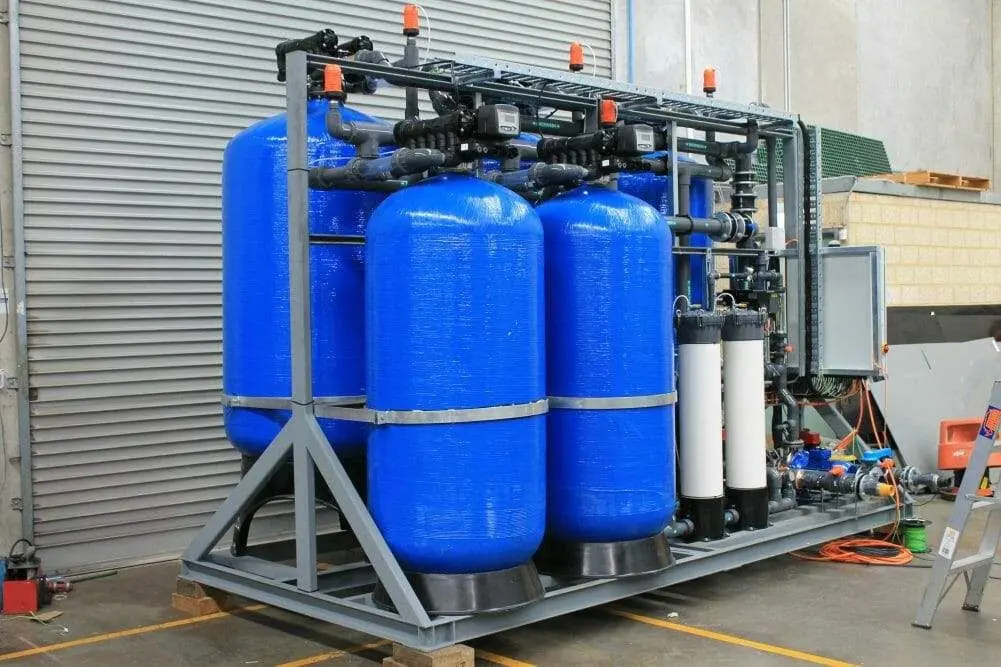
Rather than relying on one type of filtration media, a multimedia tank can contain layers of different materials. Each layer may perform a particular function, helping capture particles of varying sizes as water moves through the tank.
The result can be a more comprehensive filtration process than a basic single-media setup.
Multimedia filtration is often considered when water contains sediment or particulate matter alongside other treatment needs. However, the tank still has to be properly designed and maintained. Media selection, flow rate, tank size, and backwashing requirements all influence performance.
Why Point-of-Entry Treatment Is Different
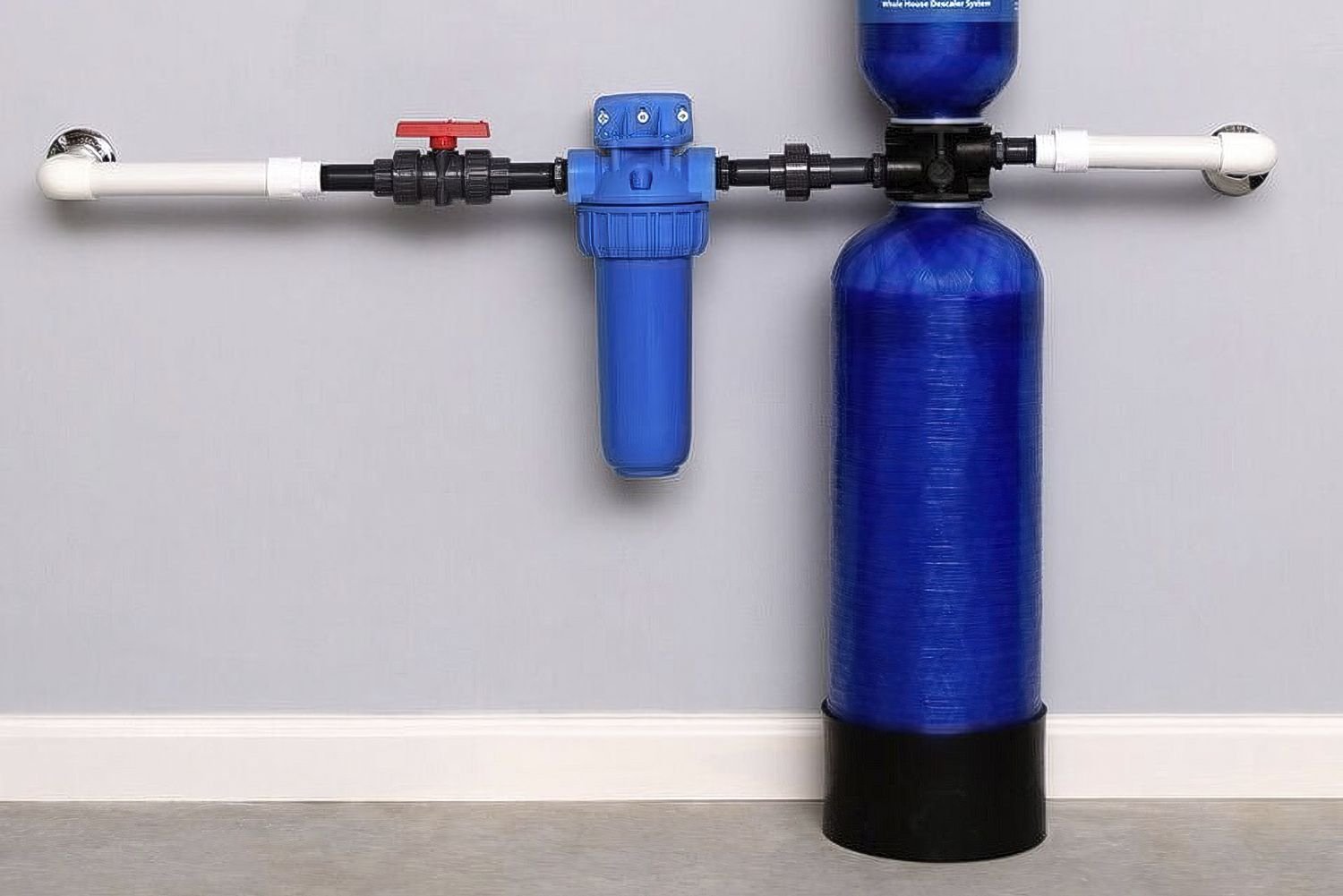
When water treatment happens at the point of entry, the system is installed where water enters the home, before it travels through the household plumbing.
This is different from a point-of-use system, such as a small filter attached to a kitchen faucet.
Point-of-entry treatment can make sense when you want to address water quality throughout the property rather than at just one tap. The treated water can then flow to bathrooms, showers, appliances, and other fixtures.
For iron problems, this can be particularly useful because untreated iron-bearing water may otherwise travel through the plumbing and leave stains or deposits throughout the house.
Why Testing Comes Before Equipment
Buying a filter without testing the water first is a bit like buying medicine without knowing what’s wrong.
A proper water analysis can provide useful information about iron, manganese, hardness, pH, turbidity, total dissolved solids, and other characteristics. Depending on the water source, additional testing may be recommended.
Testing also helps identify whether iron is actually the main problem.
Imagine a homeowner sees orange staining and assumes iron is responsible. The assumption may be correct—but there could also be manganese, sediment, or another water-quality factor involved.
Knowing the numbers makes treatment more precise.
Don’t Forget About Manganese and Other Minerals
Iron rarely gets the entire spotlight by accident, but it isn’t the only mineral that can create household headaches.
Manganese can cause dark staining and may occur alongside iron in groundwater. Hardness minerals such as calcium and magnesium can produce scale. Sediment can clog fixtures and affect filtration equipment.
This is why water treatment should be considered as a system rather than a collection of isolated problems.
Sometimes a homeowner needs iron removal plus softening. In another house, sediment filtration may be the bigger priority. The right combination depends on the actual water chemistry.
Maintenance Makes a Big Difference
Water-treatment equipment isn’t completely hands-off.
Iron filters and multimedia tanks may require regular backwashing to remove trapped particles and restore the filtration media. Some systems require replacement media or periodic servicing.
If maintenance is ignored, performance can gradually decline. A system that once produced excellent results may begin allowing iron or sediment through.
It’s worth keeping a simple maintenance record. Note service dates, backwashing schedules, media replacement, and any changes in water quality.
It takes only a few minutes to keep track—and it can save plenty of frustration later.
Choosing the Right System for Your Home
There are several questions worth asking before installing treatment equipment.
How much iron is actually present? Is the iron dissolved or particulate? Is manganese also present? What is the water’s pH? How hard is the water? Does the home have significant sediment?
Household size matters too. A system needs to handle the home’s water demand without creating excessive pressure loss or inadequate filtration.
If you’re unsure, a qualified water-treatment professional can help interpret test results and determine appropriate equipment specifications.
Better Water Starts With Better Information
Iron stains and sediment may seem like minor household annoyances, but they can become persistent problems when left unmanaged. The good news is that you don’t need to guess your way through them.
Start by testing the water. Understand what you’re dealing with. Then choose filtration equipment that matches the chemistry, flow requirements, and maintenance expectations of your home.
Whether the solution involves an iron filter, multimedia filtration, or a combination of treatment technologies, the goal should always be the same: reliable water that works well throughout the house.
Good water treatment isn’t about buying the biggest system or the one with the longest list of features. It’s about solving the problem you actually have—and doing it in a way that makes sense for your home for years to come.