Most water problems do not announce themselves dramatically. Sometimes the water looks clear, tastes normal enough, and runs from the tap without any obvious warning. That can make people feel safe, and often they are. But water can also carry things that are not easy to see, smell, or taste. That is the tricky part.
Homeowners usually notice minerals, stains, odors, or cloudy water first because those problems are visible. But some concerns are much quieter. They need testing, attention, and the right treatment approach. Clean-looking water is not always the same as fully understood water, especially for homes with private wells, older plumbing, or areas with known source-water concerns.
Why Testing Matters Before Trusting the Tap
A glass of water can look perfectly fine and still contain substances that affect health, taste, and long-term confidence. That is why proper water testing is such a useful first step. It removes the guessing and gives homeowners real information about what is coming through the tap.
Some issues are simple, like hardness or chlorine taste. Others are more serious and need a focused solution. Testing helps separate normal nuisance problems from concerns that deserve quicker action.
It also prevents people from buying the wrong system. A basic filter may improve taste but may not reduce deeper contaminants. A softener may help with scale but will not solve every water safety concern.
When Natural Contaminants Become a Concern
In some regions, groundwater can contain naturally occurring substances that are not visible. One example is arsenic, which may enter water through natural rock and soil deposits. It is especially important for private well owners to test for it, because wells are usually the homeowner’s responsibility rather than being monitored like public water supplies.
The difficult thing is that arsenic does not usually change the water’s smell, color, or taste. That means a family could drink the same water for years without realizing there is a problem. Testing is the only reliable way to know.
When detected, treatment should be chosen carefully based on the water conditions and level found.
Modern Chemical Concerns in Drinking Water
Another topic getting more attention today is PFAS, a group of man-made chemicals sometimes called “forever chemicals” because they do not break down easily in the environment. These substances have been found in some water supplies due to industrial use, firefighting foam, manufacturing, and other sources.
For homeowners, the concern is not always obvious. PFAS cannot be identified by taste or smell. Public systems may provide reports, but people with private wells may need their own testing. If PFAS is found, treatment options need to be selected based on certified performance and the specific type of system required.
This is one reason drinking water treatment has become more than just a taste upgrade for many families.
The Risk of Microbial Issues
Water can also be affected by bacteria, especially in private wells, older systems, or situations where contamination enters through damaged caps, flooding, nearby septic issues, or plumbing problems. Some bacteria are harmless indicators, while others may point to unsafe conditions that need immediate attention.
Unlike mineral buildup or staining, microbial contamination can be more urgent. It may not always create a strong smell or visible change. In some cases, the water may look normal. Regular testing is important, particularly for well owners or homes where the water source has not been checked in a long time.
If bacteria are detected, homeowners should follow professional guidance before continuing normal use.
City Water and Well Water Are Not the Same
Public water systems are treated and monitored, which gives many households a helpful layer of protection. Still, water can pick up taste, odor, sediment, or plumbing-related issues as it travels through pipes. Some homeowners also prefer extra filtration for drinking water confidence.
Private wells are different. The homeowner is usually responsible for testing, maintenance, and treatment decisions. Well water can change over time because of groundwater movement, weather, nearby construction, agriculture, septic systems, or aging well components.
That does not mean well water is bad. Many wells provide excellent water. It simply means testing should not be ignored.
Choosing the Right Treatment Takes Real Information
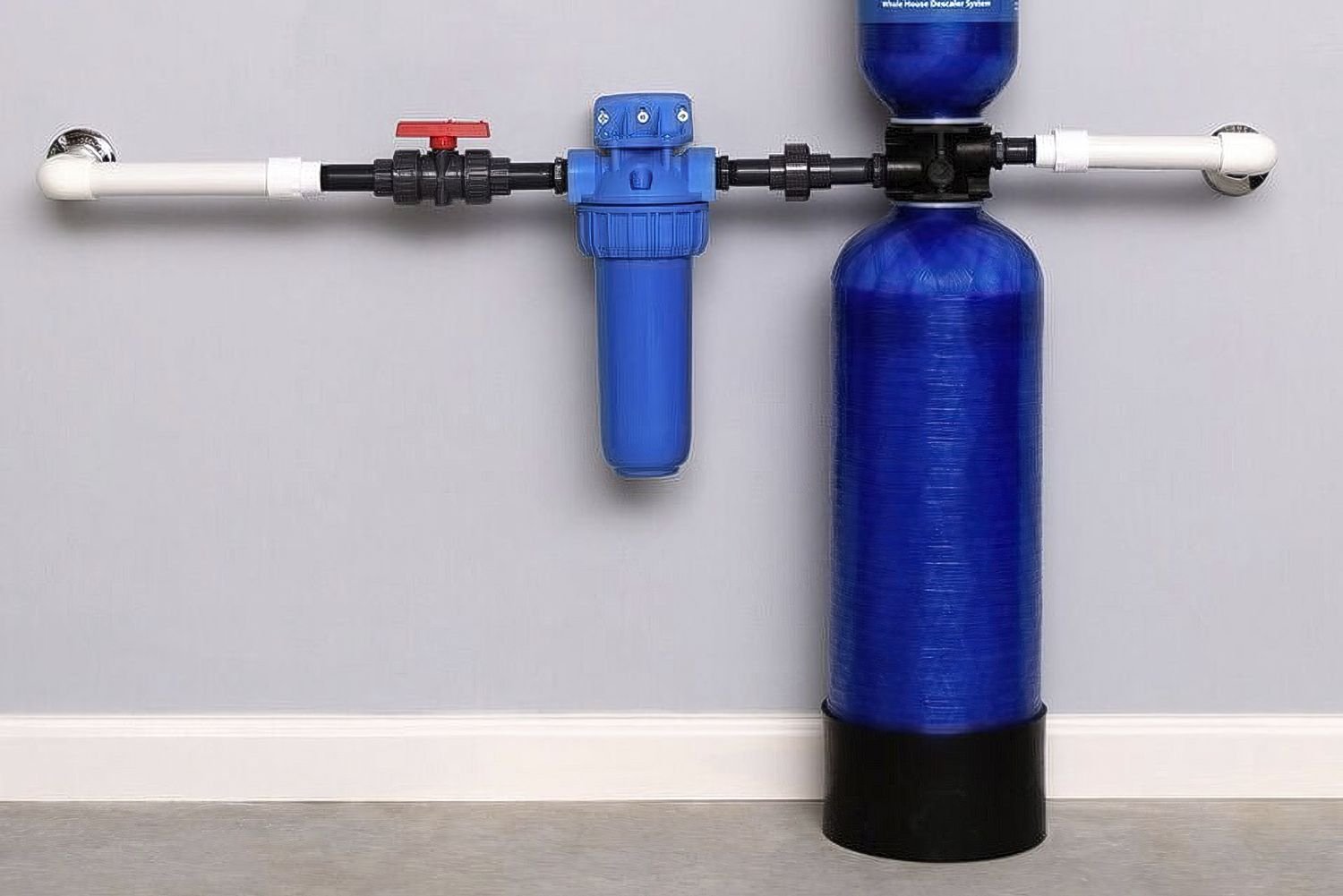
Water treatment is not one-size-fits-all. The right system depends on what is actually in the water. A reverse osmosis system may help with certain drinking water concerns. Activated carbon filtration may be useful for taste, odor, and some chemical reduction needs. UV disinfection may be used for microbial control, but it works best when the water is clear enough and properly pretreated.
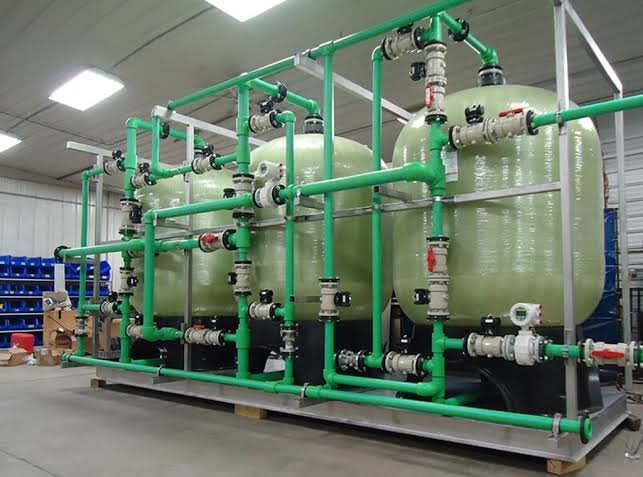
For whole-home issues, sediment filtration, softening, iron removal, or other specialized systems may be needed. In many cases, homes require a combination of treatments to handle both comfort problems and drinking water concerns.
The point is simple: test first, then treat.
Why Certified Systems and Maintenance Matter
Once a system is installed, maintenance becomes just as important as the equipment itself. Filters must be changed. UV lamps need replacement. Softener salt may need monitoring. Some systems require periodic service to keep performing properly.
Certified systems and properly matched filters give homeowners more confidence, but even good equipment cannot work well forever without upkeep. A neglected filter can stop doing its job. A UV system with an expired lamp may not provide the protection expected.
Water treatment should be viewed as an ongoing part of home care, not a one-time purchase that can be forgotten.
Better Water Starts with Paying Attention
It is easy to think of water as simple because it comes from the tap so effortlessly. But the story behind that water can be more complicated. Some problems leave stains and smells. Others stay invisible. Both deserve attention in their own way.
A thoughtful water test can give homeowners clarity, especially when dealing with private wells, changing taste, health concerns, or local water reports. From there, the right treatment plan can help improve safety, comfort, and confidence.
Good water is not just about how it looks in a glass. It is about knowing what is in it, choosing wisely, and keeping the system cared for over time.