There’s something quietly frustrating about not trusting the water coming from your own tap. Maybe it tastes a little too much like chlorine. Maybe it smells odd first thing in the morning. Or maybe you’ve just reached the point where buying bottled water every week feels wasteful, expensive, and honestly, a bit silly.
Most people don’t want to become water experts. They just want water that tastes clean, feels safe, and fits into daily life without extra hassle. That sounds simple enough, but home water quality can be surprisingly personal. What works beautifully in one home may not be the best fit for another. Local water supply, plumbing age, household size, and even personal taste all matter.
That’s why choosing a water system should start with understanding the problem, not grabbing the first filter that looks impressive online.
Why Tap Water Can Still Taste “Off”
Municipal water is treated before it reaches your home, but that doesn’t always mean it tastes pleasant. Chlorine, minerals, sediment, and old pipes can all affect the final result. Well water brings its own concerns too, from iron staining to bacteria risks depending on the source and local conditions.
Sometimes the water looks perfectly clear but still tastes flat. Sometimes coffee tastes better with bottled water, which is usually the first clue that something is going on. Other times, the issue is more noticeable — cloudy ice cubes, a metallic aftertaste, or a smell that makes you pause before filling a glass.
The good news is that water treatment has come a long way. You don’t have to rely only on small pitcher filters or endless plastic bottles. There are smarter, more dependable options now for homes, offices, break rooms, and busy family kitchens.
A Closer Look at Drinking Water Filtration
For many homeowners, reverse osmosis is one of the most effective ways to improve drinking water quality at a dedicated tap. It works by pushing water through a special membrane that helps reduce many dissolved impurities, along with certain tastes and odors that make tap water less enjoyable.
People often notice the difference in everyday routines. Coffee tastes cleaner. Tea feels less heavy. Soups, pasta, ice, and even baby formula preparation can feel more dependable when the water has been filtered more thoroughly.
Of course, this type of system is not always necessary for every single household. Some people may only need carbon filtration for taste and odor. Others may need a more advanced setup based on testing. That’s why a water test is such a smart first step. It takes the guessing out of the process and helps match the system to the actual issue.
The Problem With Bottled Water Habits
Bottled water can feel convenient at first. You pick up a case at the store, put it in the fridge, and everyone drinks from it. Easy enough. But over time, the habit becomes annoying. The bottles take up space. The cost adds up. The plastic waste piles up faster than most people like to admit.
Then there’s the lifting. Carrying cases from the store to the car and from the car into the house is not exactly fun. For offices, it becomes even more awkward when someone has to manage deliveries, storage, empty bottles, and replacement jugs.
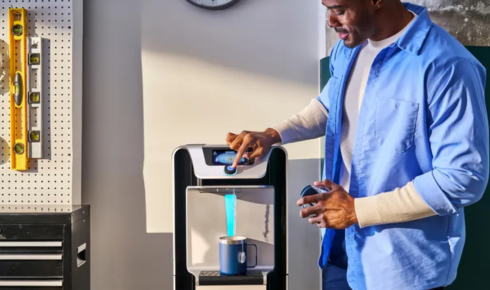
That’s why bottleless water coolers have become a practical choice for many homes and workplaces. Instead of relying on heavy jugs or single-use bottles, these systems connect directly to a water line and filter water before dispensing it. The result is simple: fresh drinking water available whenever people need it, without the constant restocking routine.
Clean Water Is About More Than Taste
Taste matters, but it isn’t the only concern. Some households also think about bacteria, viruses, and microorganisms, especially if they use private well water or have experienced boil-water notices in the past. Even when water tastes fine, people may still want extra peace of mind.
That’s where UV water purification can be useful. It uses ultraviolet light to help inactivate certain microorganisms in water without adding chemicals or changing the taste. It is often used as part of a broader treatment setup, especially where biological contamination is a concern.
Like any technology, it should be chosen for the right reason. UV systems do not remove sediment, minerals, or chemical tastes by themselves. Water usually needs to be clear before UV treatment works properly, which is why pre-filtration may be part of the plan. Again, testing and professional guidance make all the difference.
Matching the System to the Home
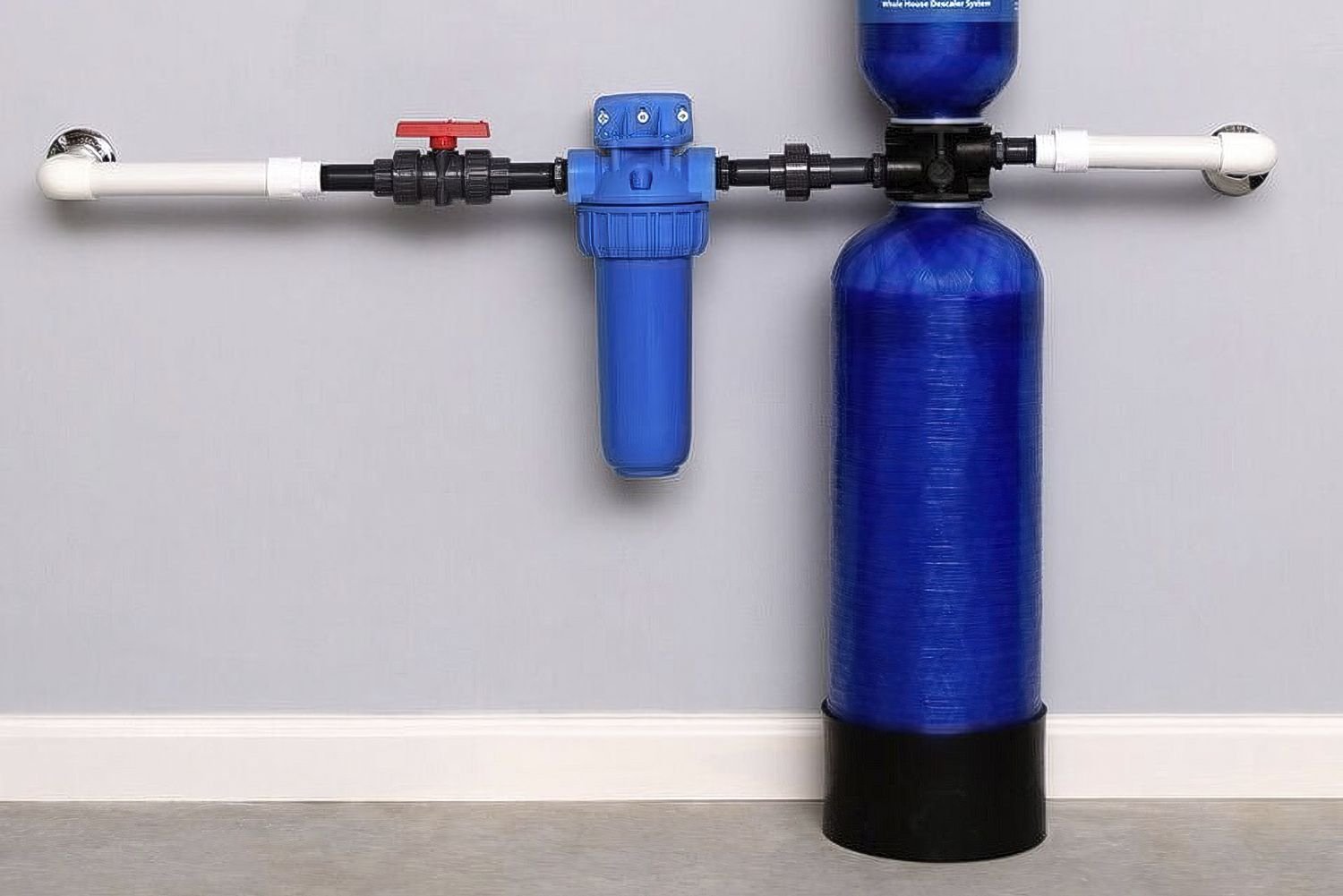
One of the biggest mistakes people make is assuming all water filters do the same thing. They don’t. A carbon filter may improve taste and odor. A softener helps with hardness minerals. A reverse osmosis system focuses on refined drinking water. UV targets microorganisms. Whole-house filtration treats water as it enters the home.
The right setup may include one system or a combination of systems. For example, a home with hard water and poor drinking water taste may benefit from both a softener and a drinking water filter. A well-water home may need sediment filtration, UV treatment, and possibly iron removal depending on the test results.
It sounds complicated, but it doesn’t have to be. A good water treatment provider should explain options clearly, not bury homeowners in technical language.
Maintenance Keeps Everything Working
Even the best system needs care. Filters must be changed. Membranes wear out. UV lamps need replacement. Coolers should be cleaned. If maintenance is ignored, performance drops and the water may not taste or feel as good as it should.
The easiest approach is to follow a simple schedule. Some homeowners prefer reminders. Others like service plans where a technician handles the routine parts. Either way, maintenance is not something to skip. It protects the investment and keeps the water consistent.
A Better Everyday Routine
Good water quietly improves life at home. It makes coffee better, cooking easier, and drinking water more appealing. It can reduce bottled water waste and help families feel more confident about what they’re using every day.
Choosing the right system is not about buying the most expensive equipment. It’s about knowing your water, understanding your household needs, and selecting a solution that actually fits.
When the right system is in place, water stops being something you question. It just becomes part of the home again — clean, dependable, and ready whenever someone turns on the tap.