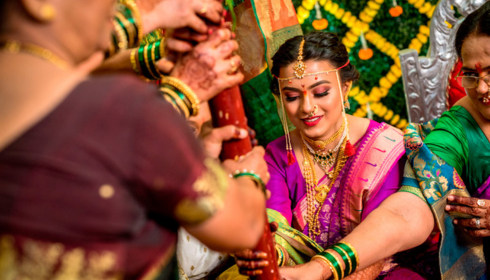
A traditional Maharashtrian wedding is a beautiful blend of rituals, heritage, and cultural symbolism. Every ceremony, from the Sakhar Puda to the wedding rituals around the Antarpat, carries its own significance. Bridal jewellery plays an equally meaningful role throughout these celebrations. Rather than focusing only on grandeur, Maharashtrian bridal jewellery is deeply connected to tradition, blessings, and family heritage.
Understanding what jewellery is worn in Maharashtrian wedding ceremonies helps brides and families thoughtfully curate a trousseau that reflects both culture and personal style. Many brides today continue to preserve these traditions while adding modern touches that suit their individual preferences.
Jewellery worn during engagement and pre wedding ceremonies
The jewellery journey often begins during Sakhar Puda or engagement ceremonies. Brides usually choose elegant yet lighter ornaments for these occasions. Delicate gold necklaces, pearl jewellery, traditional bangles, and statement earrings are popular choices.
Many brides also begin selecting foundational bridal pieces during this stage, especially necklaces such as the Thushi or Tanmani that will later become part of the complete wedding look. Families often visit Waman Hari Pethe Sons jewellery showrooms during this period to explore traditional Maharashtrian bridal collections and begin planning the trousseau early.
The defining jewellery of the wedding ceremony
The bridal look for the main Lagna ceremony is recognised instantly because of its iconic jewellery elements. One of the most distinctive ornaments is the Mundavalya, the pearl strings worn across the forehead that symbolise readiness for marriage.
The Brahmani Nath is another important part of the bridal look. This crescent shaped nose ring, often decorated with pearls and coloured stones, has remained a timeless symbol in Maharashtrian weddings for generations. Brides also wear an Ambada pin to secure their traditional bridal hairstyle elegantly.
Layered necklaces that define Maharashtrian bridal jewellery
Necklaces hold a central place in Maharashtrian bridal jewellery rituals. The layering of multiple traditional necklaces creates the signature bridal silhouette.
The Thushi choker usually forms the first layer around the neck. Crafted with closely arranged gold beads, it represents prosperity and grace. Brides often pair this with the Tanmani, a necklace that combines pearls with a decorative central pendant.
Among all bridal necklaces, the Kolhapuri Saaj remains one of the most culturally significant. This long necklace contains multiple symbolic pendants believed to represent blessings, protection, and positivity for the bride’s married life.
Collections at Waman Hari Pethe Sons often feature handcrafted versions of these iconic necklaces, helping brides preserve traditional aesthetics while selecting pieces suited for modern bridal styling.
Jewellery for hands and feet
Maharashtrian bridal jewellery extends beyond necklaces and earrings. The bride’s hands and feet also carry symbolic adornments connected to marriage and prosperity.
Green glass bangles known as Hirva Chooda are considered especially auspicious. These are traditionally paired with gold bangles such as Tode and Patlya, representing family prosperity and celebration.
As part of the wedding rituals, the bride is also gifted silver Jodvi toe rings, symbolising her entry into married life and a new household.
The importance of the Mangalsutra
One of the most emotional moments in a Maharashtrian wedding is the tying of the Mangalsutra. While black beads remain common across many Indian traditions, the Maharashtrian Mangalsutra is distinct because of its two gold vatis. These vatis symbolise the union of two families and the balance of married life.
Many brides today select both a traditional wedding Mangalsutra and a lighter version for everyday wear after marriage. Heritage collections at Waman Hari Pethe Sons offer brides a variety of Mangalsutra styles that honour tradition while adapting to modern lifestyles.
Related reading: Georgette and Chiffon Sarees: Bringing Lightness Into Festive Dressing
Curating an authentic bridal trousseau
Building a Maharashtrian bridal jewellery collection requires careful planning and attention to cultural detail. Each ornament contributes to the overall bridal identity while carrying emotional and traditional significance.
For generations, families have trusted Waman Hari Pethe Sons bridal jewellery collections for authentic craftsmanship, traditional Maharashtrian designs, and certified gold purity. Choosing jewellery from experienced heritage jewellers helps brides celebrate their wedding rituals with elegance, confidence, and lasting cultural pride.