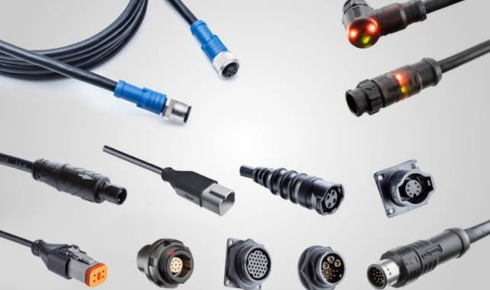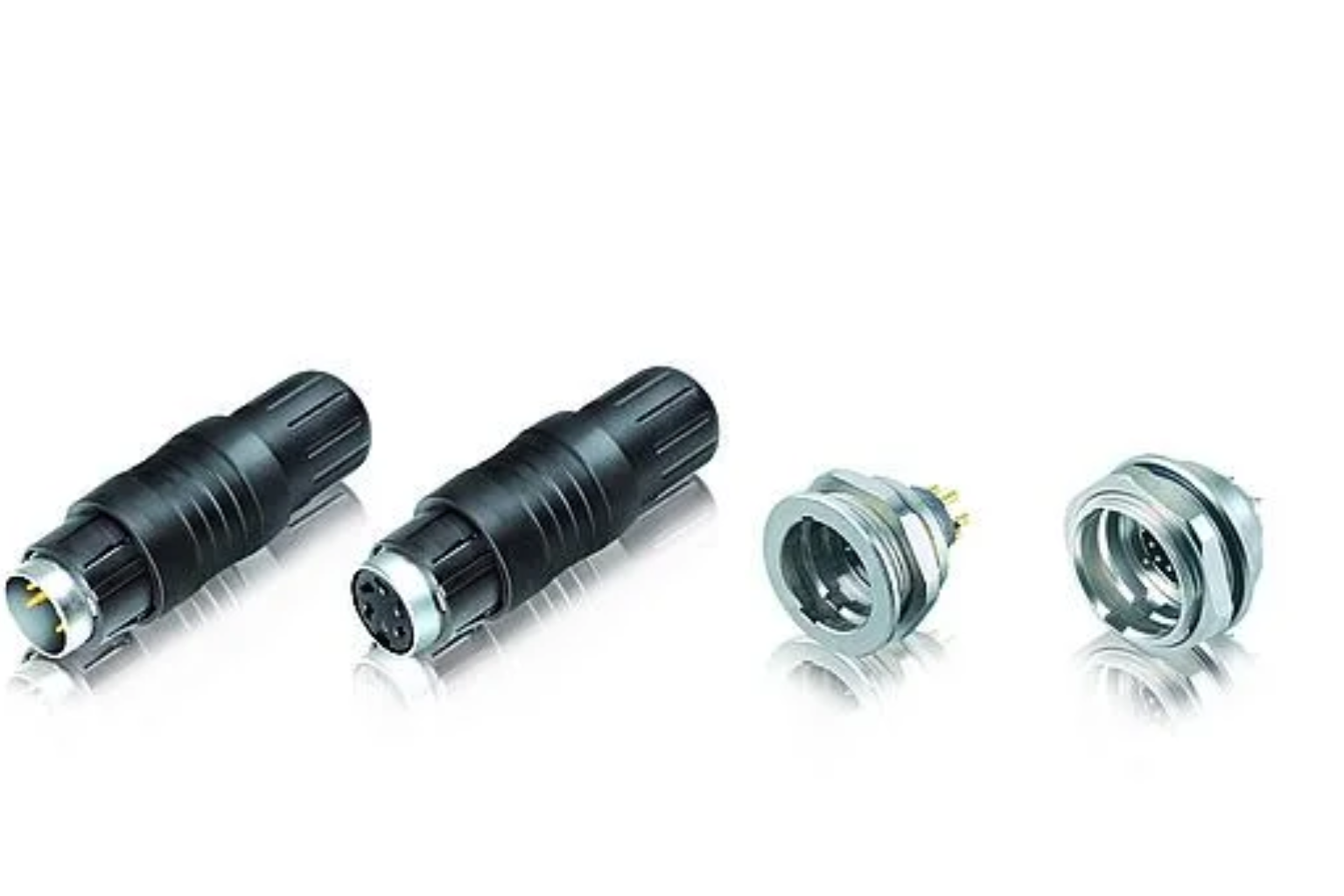
Industrial machinery depends on uninterrupted electrical connectivity to maintain safe and efficient operations. While production teams often focus on motors, automation software, and control systems, the condition of the connector infrastructure is frequently overlooked until a serious failure occurs. In reality, even a small issue within an electrical interface can disrupt communication networks, damage sensitive equipment, and trigger costly downtime.
Modern industrial connectors are designed to operate under harsh conditions involving vibration, heat, moisture, and continuous mechanical stress. However, no component lasts forever. Identifying early warning signs helps maintenance teams prevent unexpected shutdowns and maintain factory electrical reliability.
Companies such as Allied Connectors support industries with ruggedized connector solutions engineered for demanding operational environments where long-term reliability is critical.
- Frequent Signal Interruptions
One of the clearest signs of connector failure is inconsistent signal transmission. If machinery randomly stops responding, sensors produce unstable readings, or automated systems frequently reset, deteriorating connector contacts may be responsible.
In many manufacturing facilities, reliable power and signal connectors are essential for maintaining communication between PLC systems, robotic arms, and sensor networks. When internal contacts begin to corrode or loosen, signal quality rapidly declines.
Frequent interruptions should never be ignored because they often indicate deeper electrical instability.
- Visible Corrosion or Rust
Industrial environments expose connectors to chemicals, humidity, dust, and cleaning fluids every day. Over time, this exposure can damage external housings and internal contact points.
Visible corrosion around industrial connectors is a strong indicator that environmental sealing has been compromised. Once moisture enters the interface, electrical resistance increases and the risk of overheating becomes significantly higher.
Replacing corroded connectors early helps facilities avoid unexpected equipment failure and expensive maintenance disruptions.
- Overheating During Operation
Connectors should never become excessively hot during normal operation. If technicians notice heat buildup around electrical interfaces, it often points toward worn contacts, poor conductivity, or overloaded circuits.
Excessive heat weakens insulation materials and accelerates long-term component degradation. In high-duty manufacturing environments, overheating connectors can become a major safety concern.
Properly engineered industrial connectors and ruggedized connectors are designed to manage continuous electrical loads without compromising thermal stability.
- Loose Locking Mechanisms
Heavy machinery generates constant vibration. Over time, repeated movement can weaken coupling systems and create unstable physical connections.
Loose connector housings or worn locking mechanisms increase the likelihood of intermittent failures and electrical arcing. This problem becomes especially serious in robotic systems and conveyor automation where uninterrupted communication is essential.
High-quality connector systems from Allied Connectors are designed with secure locking mechanisms that help maintain stable electrical contact even under aggressive industrial vibration.
- Physical Cracks and Housing Damage
Connector housings protect sensitive internal electrical pathways from environmental exposure and mechanical stress. Cracked shells, damaged seals, or broken coupling threads reduce this protection significantly.
Once the housing integrity is compromised, dust, oil, and moisture can easily enter the interface. This accelerates wear and increases the probability of electrical shorts.
Routine inspections should always include visual evaluation of connector housings and sealing systems.
- Increased Maintenance Frequency
If technicians repeatedly service the same connection points, it usually indicates that the connector system is approaching the end of its operational life.
Related reading: Why Long-Term Business Success Depends on More Than Just Growth
Temporary repairs may restore functionality for short periods, but recurring failures eventually reduce productivity and increase labour costs. Replacing aging connectors proactively is often far more cost-effective than dealing with repeated emergency shutdowns.
Reducing downtime manufacturing operations depends heavily on maintaining healthy electrical infrastructure.
- Unstable Sensor Performance
Modern automation systems rely on accurate sensor connection performance for real-time operational control. If sensors begin producing inconsistent readings, delayed responses, or communication errors, failing connector interfaces may be disrupting signal integrity.
Even minor fluctuations in data transmission can impact robotic precision and automated decision-making.
Reliable industrial connectors and power and signal connectors help maintain stable communication between machinery and control systems.
Maintaining Long-Term Operational Reliability
Industrial connectors may appear small compared to large machinery, but their influence on operational stability is enormous. Identifying signs of wear early helps facilities prevent unexpected downtime, protect automation systems, and improve long-term reliability.
Related reading: Best Chelated Micronutrient Fertilizers for Drip Irrigation Systems in India
By investing in durable connector systems from trusted manufacturers such as Allied Connectors, industrial facilities can maintain stronger electrical performance, improve safety standards, and support continuous manufacturing efficiency.