There’s something quietly interesting happening in India’s automotive space right now. While most conversations revolve around electric vehicles, another concept has been slowly gaining traction—flex-fuel vehicles. Not flashy, not hyped like EVs, but definitely worth a closer look. Especially in a country like India, where fuel costs and sustainability debates never really go out of style.
So, what exactly are flex-fuel vehicles? And more importantly, do they actually make sense for Indian roads, Indian pockets, and Indian habits?
What Are Flex-Fuel Vehicles, Really?
At their core, flex-fuel vehicles (FFVs) are designed to run on more than one type of fuel. Typically, they use a combination of petrol and ethanol—sometimes even up to 85% ethanol (known as E85). The engine automatically adjusts itself based on the fuel mix, which is kind of impressive when you think about it.
Unlike traditional petrol cars, these vehicles don’t force you to stick to a single fuel type. You can fill up with regular petrol or an ethanol blend depending on availability. That flexibility is where the name comes from—and honestly, it’s a pretty practical idea.
Why Is India Even Considering Flex-Fuel?
India imports a huge chunk of its crude oil. That’s not exactly a secret. And every time global oil prices fluctuate, it hits us—directly or indirectly. So naturally, there’s been a push to reduce dependency on imports.
Ethanol, on the other hand, can be produced locally from crops like sugarcane. India already has a strong agricultural base, especially in states like Maharashtra and Uttar Pradesh. So the idea is simple: use what we already produce to power our vehicles.
It sounds logical. But as always, execution is where things get complicated.
The Real Benefits (Not Just on Paper)
One of the biggest advantages of flex-fuel vehicles is cost stability. Ethanol tends to be cheaper than petrol, at least in theory. If produced efficiently and distributed properly, it could help reduce fuel expenses over time.
There’s also an environmental angle. Ethanol burns cleaner than petrol, which means lower emissions. It’s not zero-emission like EVs, but it’s definitely a step in the right direction—especially for a country battling pollution in major cities.
And then there’s the rural economy boost. Increased ethanol production means more demand for crops like sugarcane. That could translate into better income opportunities for farmers, which is something policymakers are clearly aiming for.
The Challenges Nobody Talks About Enough
Here’s where things get a bit real.
First, infrastructure. Ethanol blending requires a proper supply chain—from production to storage to distribution. Right now, India is still building that ecosystem. Without widespread availability, flex-fuel vehicles lose their main advantage.
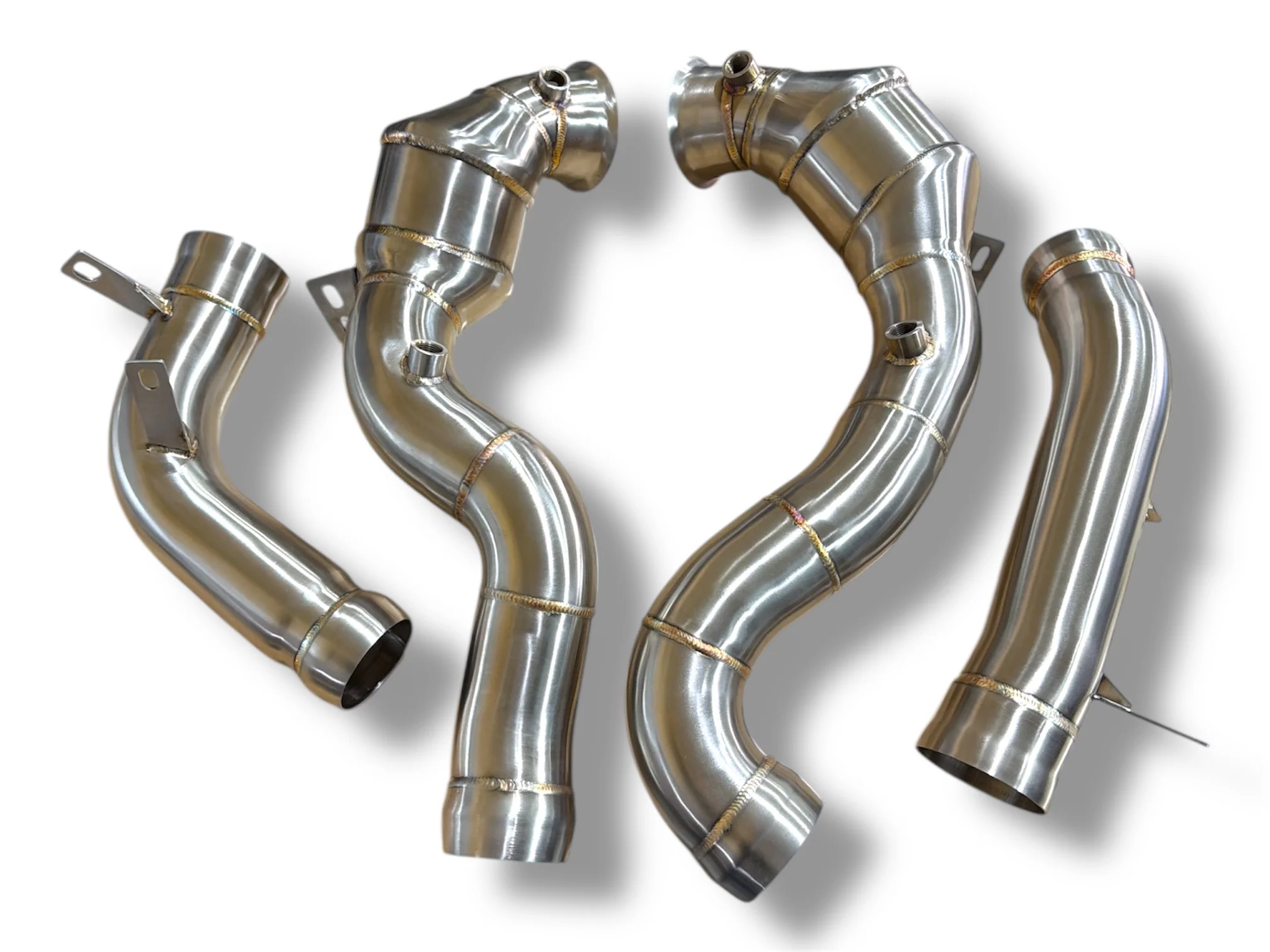
Related reading: Mercedes E53 AMG Downpipe and E63 W213 Catted & Catless Downpipes: Performance Guide
Second, engine compatibility and efficiency. While FFVs are designed for ethanol blends, ethanol has lower energy content compared to petrol. That means slightly lower mileage. Not a dealbreaker, but definitely something buyers will notice.
And then there’s the food vs fuel debate. Using crops for fuel production can sometimes create pressure on food supply chains. It’s a delicate balance, and not something that can be ignored.
Where Do Automakers Stand?
Interestingly, several automakers have already started experimenting with flex-fuel technology. Companies are testing engines, adapting designs, and preparing for potential demand.
But they’re also cautious. Because let’s be honest—Indian consumers are price-sensitive and practicality-driven. If flex-fuel vehicles don’t offer clear, immediate benefits, adoption might be slow.
It’s not like launching a new smartphone. This is a long-term shift in how people fuel their daily commute.
Consumer Perspective: Will People Actually Buy Them?
This is probably the most important question.
Indian buyers tend to think in very practical terms: mileage, maintenance, resale value. Environmental benefits are appreciated, sure—but they’re rarely the primary deciding factor.
So for flex-fuel vehicles to succeed, they need to check those practical boxes first. Affordable pricing, decent mileage, and easy fuel availability. Without that, the concept might remain more of a policy discussion than a real market trend.
And that brings us to the bigger picture—Flex-fuel vehicles kya hote hain aur India me unka future kaisa hai? It’s a question that doesn’t have a simple yes-or-no answer yet. It depends on how well infrastructure develops, how policies evolve, and how quickly consumers adapt.
The Road Ahead Feels… Uncertain but Interesting
Flex-fuel vehicles sit somewhere between traditional petrol cars and fully electric vehicles. They’re not revolutionary, but they’re not irrelevant either. Think of them as a transitional technology—something that could bridge the gap while India figures out its long-term mobility strategy.
There’s potential here, no doubt. But it’s not guaranteed success. It’s one of those ideas that looks great on paper, makes sense in theory, but needs strong execution to actually work in real life.
Final Thoughts
If you step back and look at the bigger picture, flex-fuel vehicles represent something more than just a new engine type. They reflect India’s attempt to balance sustainability, economics, and practicality—all at once.
Will they become mainstream? Maybe. Maybe not.
But they’ve definitely earned a place in the conversation. And sometimes, that’s where real change begins—not with hype, but with quiet, steady ideas waiting for the right moment.