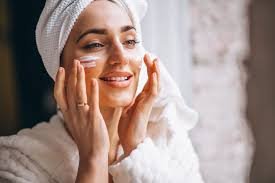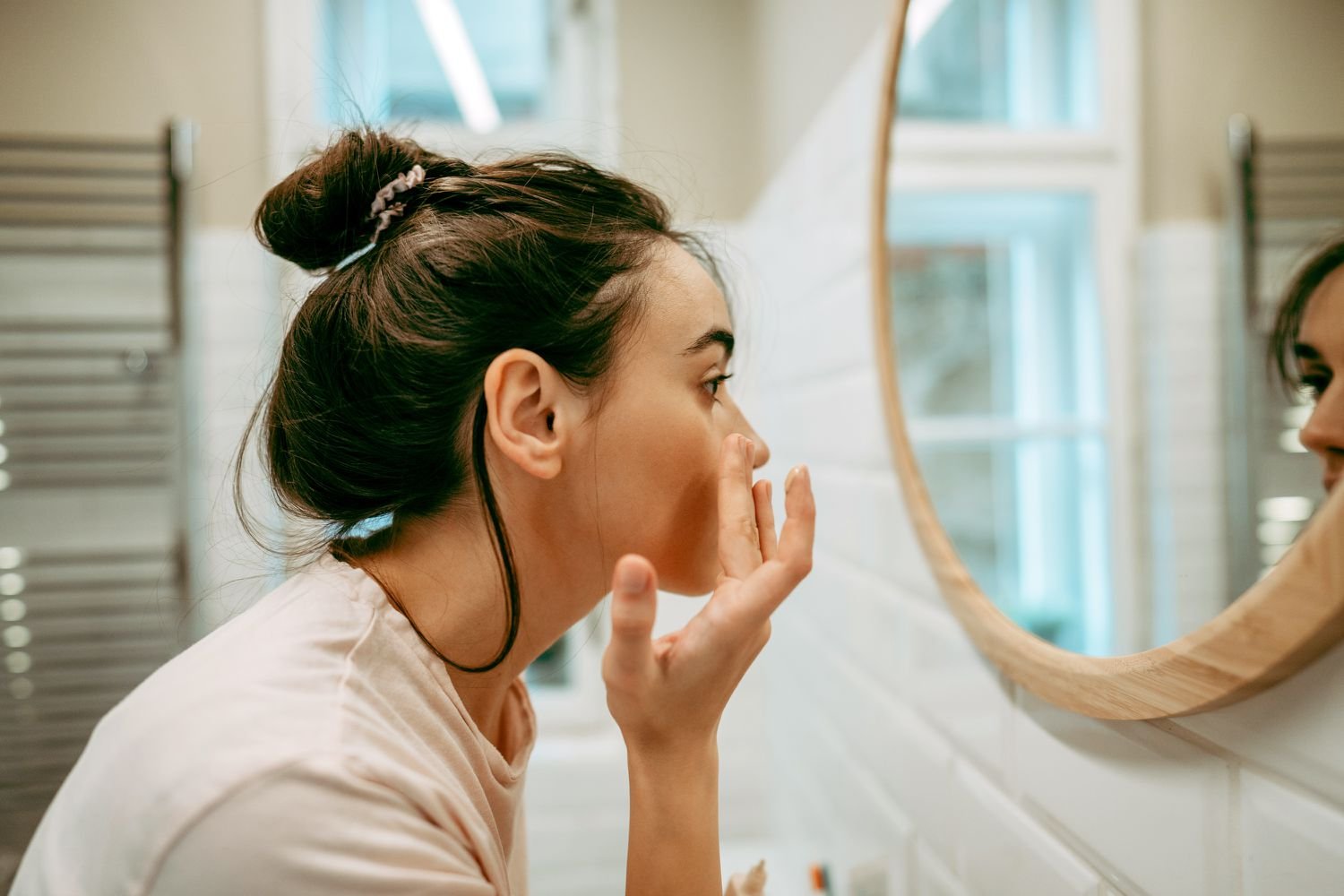
If you’ve spent even a few minutes scrolling through skincare reels lately, chances are you’ve come across the term “skin flooding.” It sounds dramatic, almost like something you’d want to avoid — but oddly enough, people are swearing by it. Especially those with dry, tight, perpetually thirsty skin.
I’ll admit, the first time I heard it, I thought it was just another passing trend. You know, one of those things that explodes overnight and disappears just as quickly. But the more I looked into it — and honestly, tried a version of it myself — the more it started to make sense.
What Is Skin Flooding, Really?
At its core, skin flooding is pretty simple. It’s about layering hydration on damp skin, using lightweight, water-based products first, followed by thicker creams to lock everything in.
Think of your skin like a sponge. If it’s completely dry, it doesn’t absorb water as efficiently. But when it’s slightly damp, it soaks things up better. Skin flooding plays on that exact idea — applying hydrating products while your skin is still a little wet, so they penetrate more effectively.
It’s less about fancy products and more about timing and layering.
Why This Trend Took Off
Dry skin isn’t just about appearance — it’s uncomfortable. That tight feeling after washing your face, the occasional flakiness, makeup not sitting right… it adds up.
People are constantly looking for something that actually works, not just temporarily masks the issue. And skin flooding feels approachable. No complicated routines, no 10-step rituals (though it can turn into one if you’re not careful).
Also, let’s be honest — the name itself is catchy. It sticks.
Breaking Down the Routine
You don’t need a shelf full of products to try skin flooding, but the order matters.
Start with a freshly cleansed face. Don’t pat it completely dry — leave it slightly damp. Then go in with a hydrating toner or essence, something lightweight that’s rich in humectants like hyaluronic acid or glycerin.
Follow that with a serum, again focusing on hydration rather than active ingredients. And finally, seal it all in with a moisturizer. If your skin is really dry, you might even add a facial oil at the end.
The idea is to layer hydration step by step, almost like building a cushion of moisture.
So… Skin flooding trend kya hai aur kya yeh dry skin ke liye effective hai?
That’s the question everyone’s asking, and the answer isn’t a simple yes or no.
For many people with dry skin, skin flooding does make a noticeable difference. It helps reduce that tight, uncomfortable feeling and gives the skin a plumper, more hydrated look. Over time, it can even improve how your skin retains moisture.
But — and this is important — it’s not a miracle fix.
If your dryness is due to a compromised skin barrier or underlying conditions, layering products alone won’t solve everything. You still need the right ingredients and consistent care.
Where People Get It Wrong
Here’s where things can go sideways.
Some people assume more layers = better results. So they pile on multiple serums, essences, toners… and end up overwhelming their skin. Instead of hydrated, their skin feels sticky or even irritated.
Another common mistake? Skipping the sealing step. Hydration without locking it in is like pouring water into a leaky bucket. If you don’t finish with a good moisturizer, all that effort kind of goes to waste.
Also, not every product works well on damp skin. Some actives, like retinol or strong exfoliating acids, are better applied on dry skin to avoid irritation.
Is It Worth Trying?
Honestly, yes — especially if you struggle with dryness.
Skin flooding isn’t expensive or complicated. It’s more about tweaking how you use what you already have. And sometimes, small changes like that make the biggest difference.
That said, it’s not a one-size-fits-all solution. Oily or acne-prone skin types might find it too heavy, especially in humid climates. It really depends on your skin’s needs and how it responds.
The Bigger Picture
Trends come and go, but occasionally one sticks because it taps into something fundamentally true. Skin flooding feels like one of those.
It’s not revolutionary. It’s not groundbreaking science. It’s just… thoughtful skincare. Paying attention to how your skin behaves and giving it what it needs, when it needs it.
And maybe that’s why it resonates.
Because at the end of the day, good skincare isn’t about chasing every new trend — it’s about understanding your skin a little better than you did yesterday.