There’s a moment most of us have experienced — you search for something once, maybe casually, and suddenly ads for it follow you everywhere. It’s a bit amusing at first, then slightly unsettling. Somewhere in that moment, a quiet question pops up: who’s watching, and what exactly do they know?
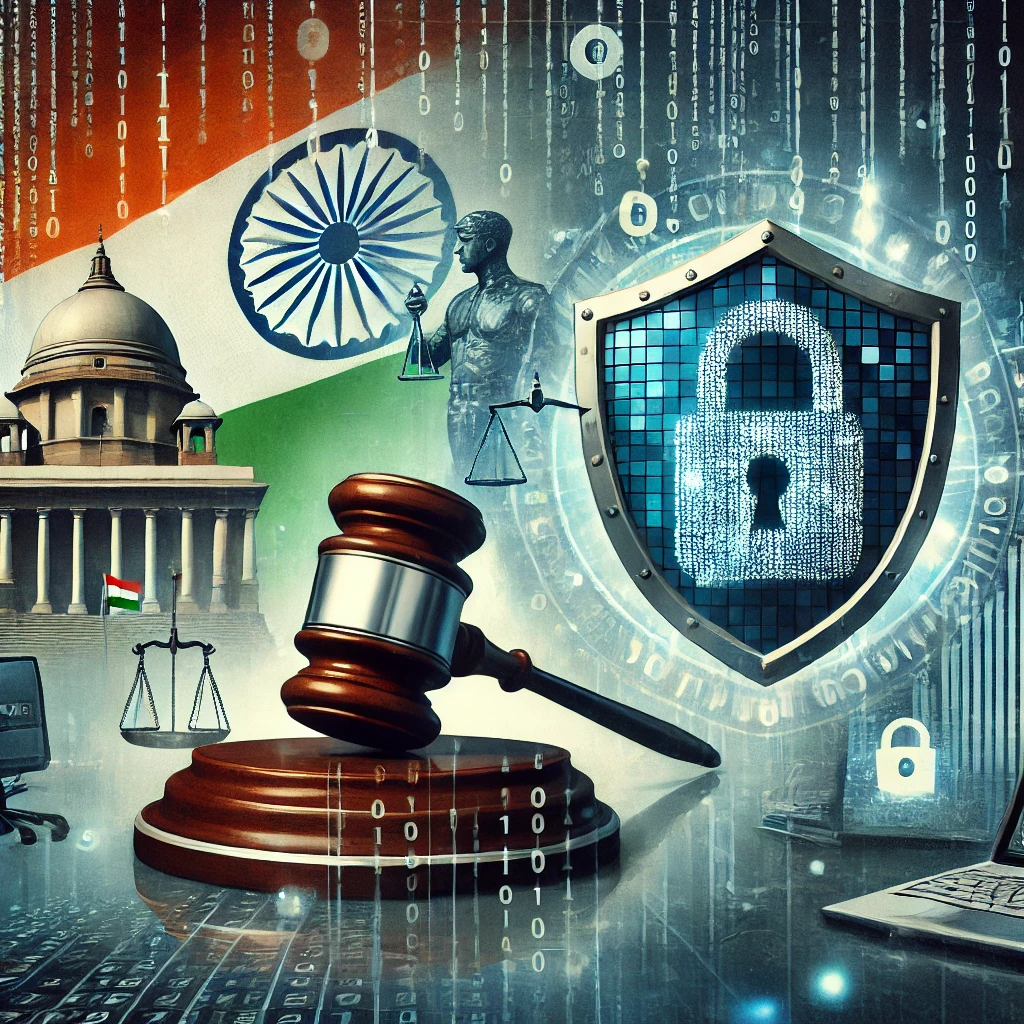
In a world where almost everything we do leaves a digital trace, data protection isn’t just a legal concept anymore. It’s personal. And in India, where millions are coming online every year, the conversation around privacy is finally starting to get the attention it deserves.
The Growing Importance of Data Privacy
Think about how much of your life exists online now — banking, shopping, messaging, even healthcare. Every app you use, every form you fill, every click you make adds to a growing pool of personal data.
Companies rely on this data to improve services, personalize experiences, and, of course, drive revenue. That’s not inherently bad. But without proper safeguards, it can easily cross into uncomfortable territory.
That’s where data protection laws come in — or at least, where they’re supposed to.
India’s Approach to Data Protection
India’s journey with data protection has been gradual. For a long time, privacy regulations were scattered across different laws, without a unified framework.
More recently, however, there’s been a push toward stronger, more comprehensive legislation. The focus has shifted toward giving users more control over their data — how it’s collected, stored, and used.
The idea sounds solid on paper: transparency, consent, accountability. But how does it translate in real life?
So… Data protection laws India me users ko kitni safety dete hain?
It’s a fair question — and not one with a simple answer.
On one hand, the introduction of stricter regulations is a positive step. Companies are now required to be more transparent about data collection. Users have rights — to access their data, correct it, even request deletion in certain cases.
But enforcement is still evolving.
Laws can exist, but their effectiveness depends on how consistently they’re applied and how seriously organizations take compliance. And in a rapidly growing digital ecosystem like India’s, that’s easier said than done.
The Reality of User Awareness
Here’s something that often gets overlooked: laws can only protect you if you’re aware of them.
Most users don’t read privacy policies. They click “accept” and move on — sometimes without realizing what they’ve agreed to. Permissions are granted casually, often out of convenience.
This creates a gap. Even if strong laws exist, their impact is limited if users don’t actively engage with them.
In many ways, data protection is a shared responsibility — between regulators, companies, and users themselves.
Challenges in Implementation
India’s scale adds complexity. Millions of businesses, from large corporations to small startups, handle user data in some form.
Ensuring that all of them comply with regulations is a massive task. There are also technical challenges — data storage, cybersecurity, cross-border data flows.
And then there’s the pace of technology itself. New platforms, new tools, new ways of collecting data — often faster than laws can keep up.
This doesn’t mean the system is broken. It just means it’s still catching up.
How Companies Are Adapting
Interestingly, many companies are starting to take data protection more seriously — not just because of regulations, but because of trust.
Users are becoming more aware, more cautious. A data breach or misuse can damage a brand’s reputation quickly.
So you’ll see clearer privacy notices, better security measures, and more options for users to control their data. It’s not perfect, but it’s progress.
What You Can Do as a User
While laws play their part, there are small things you can do to protect yourself.
Be mindful of app permissions. Use strong passwords. Enable two-factor authentication where possible. Avoid sharing sensitive information unless it’s absolutely necessary.
These steps might seem basic, but they go a long way.
At the end of the day, digital safety isn’t just about regulation — it’s about habits.
Looking Ahead
India’s data protection landscape is still evolving, and that’s not necessarily a bad thing. It means there’s room for improvement, for refinement, for learning from global best practices.
As awareness grows and systems become more robust, the gap between policy and practice is likely to narrow.
But it will take time.
Final Thoughts
Data protection isn’t a one-time fix. It’s an ongoing process — shaped by technology, behavior, and trust.
India has taken important steps in the right direction, but the journey isn’t complete. For users, the key is to stay informed and cautious. For companies, it’s about responsibility and transparency.
And somewhere in between, hopefully, a balance will emerge — one where convenience doesn’t come at the cost of privacy.
Because at the end of the day, your data isn’t just numbers on a server. It’s a reflection of your life.