A home’s entrance says quite a lot before anyone even steps inside. It can feel warm and welcoming, solid and secure, or, sometimes, a bit tired around the edges. People often think about paint colour, porch lights, or house numbers first, but the real difference is usually in the door itself and the parts that help it work properly.
A good door does more than open and close. It protects your family, keeps out bad weather, improves privacy, and gives visitors their first impression of your home. When everything is fitted well, you barely notice it. When something is loose, rusty, misaligned, or unreliable, you notice it every single day.
Security Starts With the Small Parts
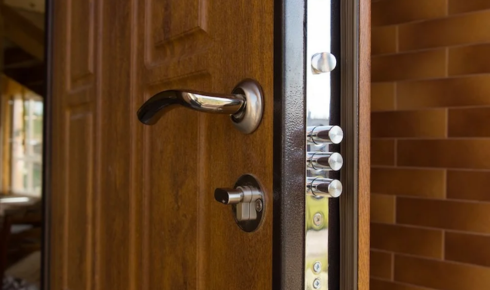
A strong door is only as reliable as the locking system that supports it. Good deadbolts & locks can add an important layer of protection, especially on front doors, back doors, garage entry points, and side entrances. They help keep the door firmly secured and make forced entry much harder.
But locks need to be chosen and fitted properly. A high-quality deadbolt installed into a weak frame will not perform as well as it should. The strike plate, screws, door thickness, and frame condition all matter. It’s one of those jobs that looks simple from the outside, but the details decide whether it actually works.
If a lock feels stiff, loose, or unreliable, it’s worth getting it checked. Waiting until a key snaps or the latch stops catching usually makes life more stressful than it needs to be.
Why Hardware Changes More Than Appearance
Handles, hinges, latches, closers, plates, stops, and knobs may seem like minor features, but they affect how a door feels every time you use it. Quality door hardware can make a door smoother, safer, and more attractive without needing a full replacement.
Think about a handle that wobbles, a hinge that squeaks, or a latch that needs a hard pull. These little irritations build up. Replacing worn parts can make an old door feel almost new again. It can also improve security and prevent damage to the door or frame.
Style matters too. The right finish can tie together the look of your entryway or interior space. Matte black, brushed nickel, brass, bronze, or classic chrome each give a different feel. Small details, yes, but homes are made of small details.
The Door That Welcomes Everyone In
Front and side entrances have a practical job, but they also carry personality. Well-designed entry doors can improve kerb appeal, support insulation, reduce outside noise, and make your home feel more inviting from the first glance.
An outdated or damaged entry door may let in draughts, stick in damp weather, or no longer match the style of the property. Upgrading it can refresh the whole front of the home without a major renovation. It’s one of those changes people notice straight away, even if they can’t explain why.
Material choice also matters. Timber brings warmth and character. Steel offers strength. Fibreglass can provide durability with low maintenance. Glass panels can brighten a hallway, while solid designs may offer more privacy. The best choice depends on the home, the weather exposure, and how the door will be used day after day.
A Good Fit Makes Everything Work Better
Even the best lock or handle cannot fix a poorly fitted door. If the door is not aligned properly, the latch may miss the strike plate, the lock may jam, or the hinges may carry uneven pressure. Over time, that can damage both the door and the frame.
Good door work starts with careful inspection. Is the frame square? Are the hinges secure? Is there swelling from moisture? Has the house settled slightly? These questions matter because a lasting fix depends on treating the cause, not just the symptom.
Sometimes a small adjustment is enough. Other times, a new frame, new threshold, or replacement hardware may be needed. A skilled professional can explain the options without making the job feel bigger than it is.
Comfort, Safety, and Everyday Use
Doors are used constantly. That’s why poor function becomes annoying so quickly. A reliable door should close smoothly, lock easily, and feel solid in the hand. It should not rattle in the wind, scrape the floor, or make you question whether it’s properly secured at night.
A well-maintained entrance also helps with energy efficiency. Tight seals, proper alignment, and quality materials can reduce draughts and help indoor temperatures stay more stable. Over time, that can make the home feel more comfortable and may even reduce unnecessary strain on heating and cooling systems.
Final Thoughts
Doors may seem ordinary, but they quietly influence how safe, comfortable, and finished a home feels. Strong locks bring peace of mind. Good hardware improves daily use. A well-chosen entry door can lift the look of the entire property.
The best door improvements are not always dramatic. Sometimes they are as simple as a handle that no longer wobbles, a lock that turns smoothly, or a front door that closes with a firm, reassuring click. And honestly, that small feeling of security is worth more than people think.