Water is something most of us take for granted. We turn on a faucet, fill a glass, start a load of laundry, or take a shower without giving much thought to what’s flowing through the pipes. Yet the quality of that water can have a surprising impact on nearly every part of a home.
One of the most common water issues homeowners face is hard water. It’s not dangerous to drink, but it can create a long list of frustrating and expensive problems over time. From stained fixtures to inefficient appliances, the effects often develop slowly enough that many people don’t notice them until the damage is already done.
Understanding What Makes Water Hard
Water becomes hard when it contains high concentrations of dissolved minerals, primarily calcium and magnesium. As groundwater travels through rock and soil, it naturally picks up these minerals before entering municipal systems or private wells.
Many homeowners live with hard water for years without realizing it. They simply assume that cloudy dishes, stubborn soap residue, or dry skin are normal household inconveniences. In reality, these issues often point directly to excessive mineral content in the water supply.
The degree of hardness varies from region to region. Some areas experience only mild hardness, while others deal with extremely high mineral concentrations that can affect plumbing systems and appliances much more aggressively.
The Hidden Role of Calcium and Magnesium
The primary contributors to hard water are calcium and magnesium. While these minerals are beneficial in certain dietary contexts, they can become problematic when they accumulate inside plumbing systems.
Think about what happens when a kettle repeatedly boils water. Over time, a white chalky residue forms inside. The same process occurs throughout your home’s plumbing network. Every shower, dishwasher cycle, and laundry load leaves behind tiny mineral deposits.
At first, these deposits seem insignificant. However, over months and years, they begin building layers that restrict water flow, reduce efficiency, and increase wear on equipment.
Everyday Signs You May Have Hard Water
Sometimes the clues are surprisingly obvious. Soap may not lather well. Dishes might come out of the dishwasher looking cloudy. Faucets and showerheads often develop white spots that seem impossible to remove.
Laundry can feel stiff even after washing, and dark clothing may lose its appearance more quickly. Hair may feel less manageable after showers, while skin can feel dry or irritated.
Many homeowners spend money on cleaning products to address these symptoms without realizing that the underlying cause is actually the water itself. Solving the source of the problem often provides far better results than continually treating the symptoms.
How Mineral Deposits Affect Plumbing Systems
Plumbing systems are designed to move water efficiently. Unfortunately, hard water works against that goal.
As mineral-rich water flows through pipes, deposits begin forming on interior surfaces. Over time, these deposits narrow the available space for water movement. This means fixtures may experience reduced pressure, and plumbing components may have to work harder than intended.
The long-term result can be costly repairs and unnecessary stress on the entire system. Homeowners often discover these problems only when performance noticeably declines.
The Growing Problem of Scale Buildup
One of the most damaging consequences of hard water is scale buildup. This hardened layer of mineral deposits can accumulate inside water heaters, dishwashers, washing machines, coffee makers, and plumbing lines.
Scale acts as an insulating barrier. For example, when it forms inside a water heater, the heating element must use more energy to warm the water. That translates directly into higher utility bills and reduced efficiency.
The same principle applies to many household appliances. Equipment that should operate smoothly begins consuming more energy while delivering poorer performance. In some cases, premature equipment failure becomes unavoidable.
Why Appliances Suffer More Than You Think
Many homeowners don’t connect appliance breakdowns to water quality. Yet hard water can significantly shorten the lifespan of expensive equipment.
Water heaters are especially vulnerable because heat accelerates mineral accumulation. Dishwashers and washing machines face similar challenges as mineral deposits interfere with normal operation.
Over time, appliance components may clog, valves may stick, and internal systems may deteriorate faster than expected. The cost of replacing these appliances often far exceeds the investment required to address water hardness in the first place.
Solutions That Make a Real Difference
Fortunately, hard water problems are highly manageable. Modern water treatment technologies are designed to reduce mineral content before it reaches household plumbing and appliances.
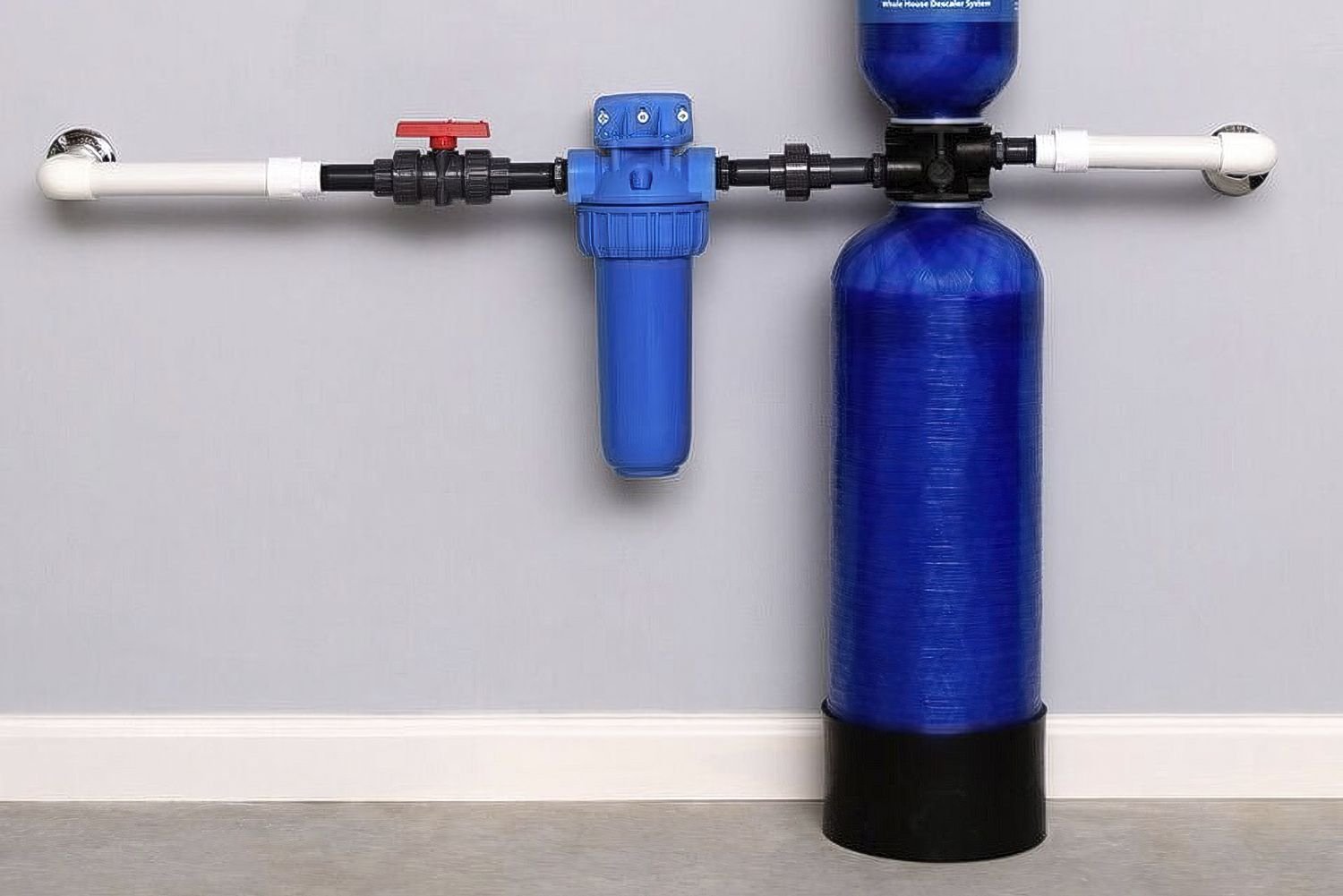
Among the most common solutions are water softeners, which use ion exchange technology to remove hardness minerals from the water supply. These systems help prevent mineral accumulation, improve cleaning performance, and extend the life of household equipment.
Choosing the right solution depends on factors such as water hardness levels, household size, water usage patterns, and specific concerns within the home. Professional water testing can provide valuable insights before selecting a treatment system.
Beyond Plumbing: Comfort and Convenience
Addressing hard water often delivers benefits that go beyond protecting pipes and appliances. Many homeowners notice softer laundry, cleaner dishes, easier cleaning routines, and more comfortable showers.
Soap tends to perform more effectively in softened water, which means less product is required for daily tasks. Fixtures stay cleaner for longer periods, and stubborn mineral stains become far less common.
These improvements may seem small individually, but together they contribute to a more comfortable and efficient household experience.
Looking at the Long-Term Picture
Water quality rarely receives the same attention as roofing, flooring, or major appliances, yet it influences nearly every aspect of daily life. Hard water problems develop gradually, which is why they’re often overlooked until significant damage has already occurred.
Understanding the role of minerals, recognizing the warning signs, and taking proactive steps can help homeowners avoid unnecessary expenses while improving overall household performance. Whether the goal is protecting plumbing, extending appliance life, or simply enjoying cleaner water throughout the home, addressing hard water is an investment that often pays for itself over time.
A home’s water system works quietly in the background every day. Giving it the attention it deserves can lead to fewer repairs, greater efficiency, and a more comfortable living environment for years to come.