There’s something oddly satisfying about ordering food online these days. A few taps, a short wait, and your favorite dish arrives at your doorstep — hot, neatly packed, and ready to eat. What most people don’t think about, though, is where that food actually comes from.
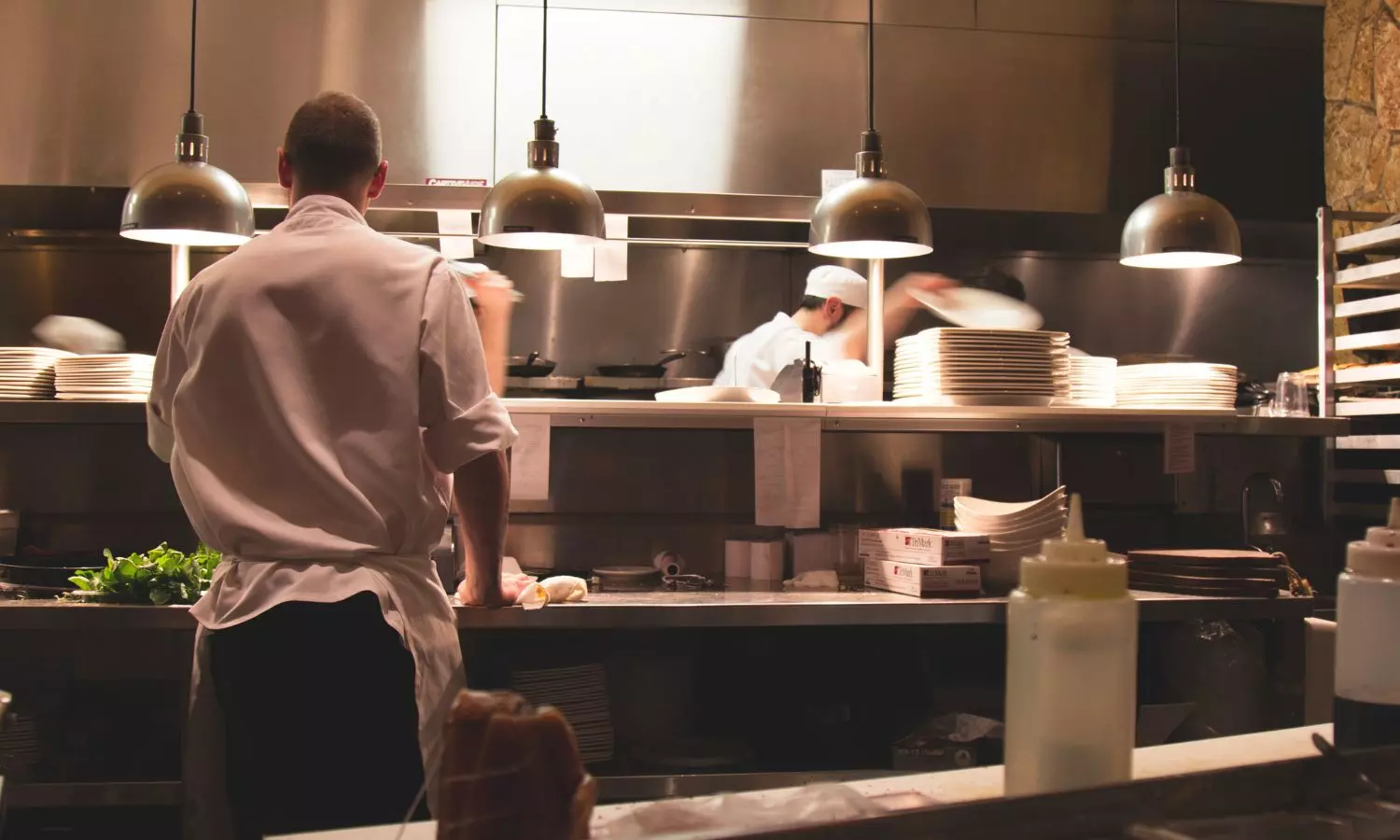
Not every brand you see on delivery apps has a cozy dine-in space or a buzzing kitchen you can visit. In fact, many of them exist entirely behind the scenes. No signage, no seating, no foot traffic. Just a kitchen… somewhere in the city, cooking non-stop.
Welcome to the world of cloud kitchens.
What Exactly Is a Cloud Kitchen?
At its core, a cloud kitchen (sometimes called a ghost kitchen or dark kitchen) is a delivery-only restaurant setup. There’s no physical storefront for customers to walk into. Everything revolves around online orders — through apps, websites, or direct delivery systems.
It’s a lean model. You focus on cooking and delivery, skip the overheads of rent-heavy locations or elaborate interiors, and ideally, keep things efficient.
Related reading: Back to the Basics: Why Millets Are Quietly Returning to Indian Plates
But like most things that sound simple on paper, reality adds a few layers.
Why Entrepreneurs Are Drawn to It
For anyone looking to enter the food business, cloud kitchens can feel like a shortcut. Lower startup costs, fewer staff requirements, and the flexibility to experiment with multiple brands under one roof — it’s appealing.
You could run a biryani brand, a dessert menu, and a fast-food concept all from the same kitchen. If one doesn’t work, pivot quickly. No need to worry about redesigning a physical space or relocating.
That kind of agility is rare in traditional restaurant models.
The Role of Food Delivery Apps
Cloud kitchens and delivery platforms go hand in hand. Without apps, this model wouldn’t exist in its current form.
Related reading: Rethinking the Plate: Are Plant-Based Meats Finding a Real Place in India?
Platforms handle discovery, customer acquisition, and logistics — which is great, but it also creates dependency. Restaurants rely heavily on algorithms, visibility rankings, and customer reviews to survive.
And then there’s commission. Delivery apps take a significant cut, which can eat into already tight margins.
So while cloud kitchens reduce some costs, they introduce new ones.
So… Cloud kitchens ka business model aur kya yeh sustainable hai?
That’s where things get interesting.
The model can be sustainable — but it’s not guaranteed.
Success depends on several factors: consistent food quality, efficient operations, smart pricing, and strong branding. Without these, even a low-cost setup can struggle.
There’s also intense competition. Because the entry barrier is lower, more players enter the market, making it harder to stand out.
In short, cloud kitchens are not an easy win. They’re just a different kind of challenge.
The Hidden Costs People Don’t Talk About
While you save on rent and interiors, other expenses creep in.
Packaging, for instance, becomes a major cost. Since everything is delivered, presentation relies heavily on how well the food travels. Cheap packaging can ruin the experience, but good packaging isn’t cheap.
Then there’s marketing. Without a physical presence, you need to invest in digital visibility — ads, promotions, discounts. And those discounts? They often come straight out of your margins.
It’s a delicate balancing act.
Customer Expectations Are Higher Than Ever
When people order food online, they expect consistency. Same taste, same portion, same quality — every single time.
There’s very little room for error because a bad experience is just one negative review away from impacting your brand.
Unlike dine-in restaurants, you don’t get a second chance to fix things on the spot. The food arrives, the customer reacts, and the feedback is immediate.
Innovation Is the Real Advantage
One thing cloud kitchens do exceptionally well is experimentation.
You can test new cuisines, limited-time menus, or niche concepts without massive risk. Data from delivery apps helps you understand what’s working and what’s not.
This flexibility allows brands to evolve quickly, which is a huge advantage in a fast-changing food industry.
Some of the most popular online food brands today actually started as cloud kitchens.
The Sustainability Question
Beyond business sustainability, there’s also an environmental angle.
Increased packaging, single-use plastics, and delivery-related emissions are growing concerns. Some brands are trying to address this with eco-friendly packaging and optimized delivery systems, but it’s still a work in progress.
Customers are becoming more aware, and over time, this could influence their choices.
Final Thoughts
Cloud kitchens are not a magic formula for success, but they’re not just a passing trend either. They represent a shift in how food businesses operate — more flexible, more data-driven, and closely tied to digital ecosystems.
For entrepreneurs, they offer opportunity. For customers, convenience. But like any business model, they come with trade-offs.
Maybe the real takeaway is this: cloud kitchens work best when they focus on what truly matters — good food, delivered reliably. Strip away the hype, and that’s still the core of it all.
And honestly, that part hasn’t changed.