There was a time when clothing racks told you exactly where you belonged — “men’s” on one side, “women’s” on the other. It felt normal, unquestioned. But if you look closely now, those lines are starting to blur. Not loudly, not dramatically, but in a quiet, steady way.
Oversized shirts, fluid silhouettes, neutral tones — they’re no longer tied to a specific gender. They’re just… clothes. And that shift, subtle as it seems, is reshaping how people think about fashion.
What Gender-Neutral Fashion Really Means
At its core, gender-neutral fashion isn’t about erasing identity. It’s about expanding choice.
It allows people to wear what feels comfortable without being boxed into traditional categories. A kurta doesn’t have to belong to one section. A blazer doesn’t need a label. The focus shifts from “who should wear this” to “who wants to wear this.”
And honestly, that feels like a more natural way to approach something as personal as clothing.
Why the Trend Is Growing
A big part of this movement comes from younger consumers. Gen Z, especially, doesn’t see fashion the same way previous generations did. They’re more experimental, less bound by rules, and more open to expressing individuality.
Social media has played its role too. Influencers, designers, even everyday users are showcasing styles that don’t fit neatly into gender boxes. Once you see enough of it, it starts to feel normal — even expected.
Which brings us to a question many brands are now trying to answer: Gender-neutral fashion ka trend aur Indian market ka response — how ready is the market, really?
The Indian Context: A Bit Complex, A Bit Interesting
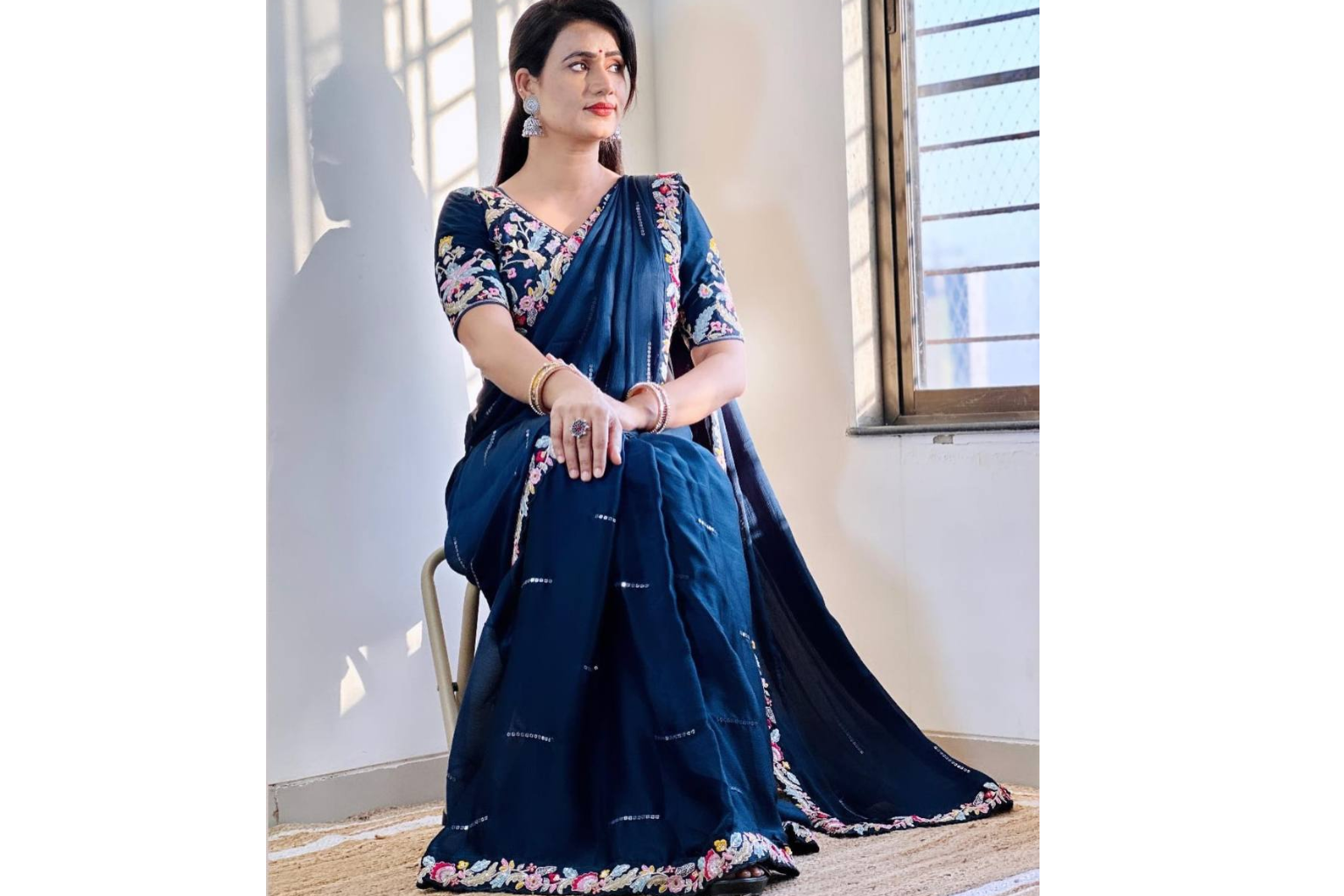
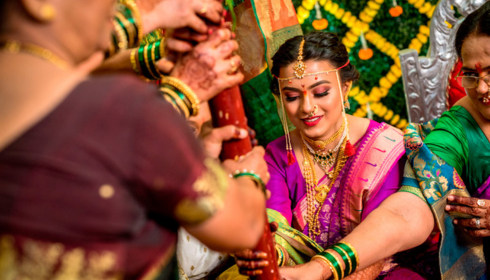
India has always had a unique relationship with clothing. On one hand, there’s a deep-rooted tradition — sarees, kurtas, dhotis — each with cultural significance. On the other, there’s a rapidly modernizing urban audience that’s open to change.
Interestingly, some traditional Indian garments were never strictly gendered to begin with. Draped clothing, loose fits, layered styles — they’ve existed across genders for centuries. So in a way, gender-neutral fashion isn’t entirely new here. It’s more like a reinterpretation.
Still, the acceptance isn’t uniform.
In metro cities like Mumbai, Delhi, or Bangalore, you’ll see more openness. Boutiques experimenting with unisex collections, designers launching fluid lines, consumers willing to try something different.
But in smaller towns, the shift is slower. Cultural expectations still play a strong role, and stepping outside those norms can feel uncomfortable for many.
How Brands Are Responding
For brands, this trend is both exciting and tricky.
Some have embraced it fully, creating collections that don’t specify gender at all. Others are taking a softer approach — introducing “relaxed fits” or “oversized styles” without explicitly calling them gender-neutral.
It’s a delicate balance. Push too hard, and you risk alienating traditional customers. Move too slow, and you miss the opportunity to connect with a new audience.
Pricing, sizing, and marketing also become important factors. A truly gender-neutral line needs to accommodate different body types without making it feel like an afterthought.
The Role of Comfort and Practicality
Beyond identity and expression, there’s a practical side to this trend.
Gender-neutral clothing often focuses on comfort — loose fits, breathable fabrics, versatile designs. In a country like India, where weather plays a huge role in what we wear, that’s a big advantage.
People are starting to prioritize how clothes feel, not just how they look. And in that sense, gender-neutral fashion aligns perfectly with changing preferences.
Challenges That Still Exist
Of course, it’s not all smooth sailing.
There’s still a lack of awareness in many parts of the country. For some, the idea itself feels unfamiliar or confusing. Marketing such collections without sounding preachy or overly niche can be difficult.
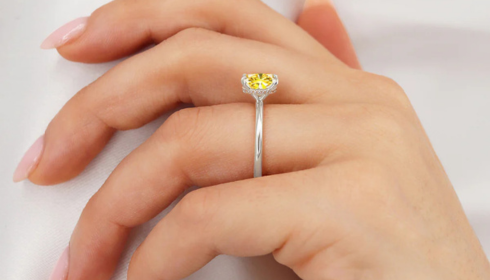
Related reading: Stunning Lily Arkwright Yellow Sapphire Solitaire Rings
There’s also the question of visibility. While the trend is growing, it’s still not mainstream enough to dominate retail spaces. You often have to look for it, rather than stumble upon it.
And then there’s the deeper cultural layer — the expectations tied to gender and appearance. Those don’t change overnight.
Where It Might Be Headed
If you had asked a few years ago, this might have seemed like a niche movement. Today, it feels more like an early-stage shift.
As more designers experiment and more consumers become comfortable exploring different styles, gender-neutral fashion could slowly integrate into the broader market. Not as a separate category, but as a natural part of fashion itself.
Final Thoughts
Fashion has always been a reflection of society — its values, its changes, its contradictions. Gender-neutral clothing is just another chapter in that story.
It’s not about replacing traditional styles or forcing everyone into a new mold. It’s about giving people more freedom to choose, to express, to feel comfortable in what they wear.
And maybe that’s why it resonates.
Because at the end of the day, clothes aren’t just about fabric or trends. They’re about how you show up in the world — and increasingly, how freely you can do that.