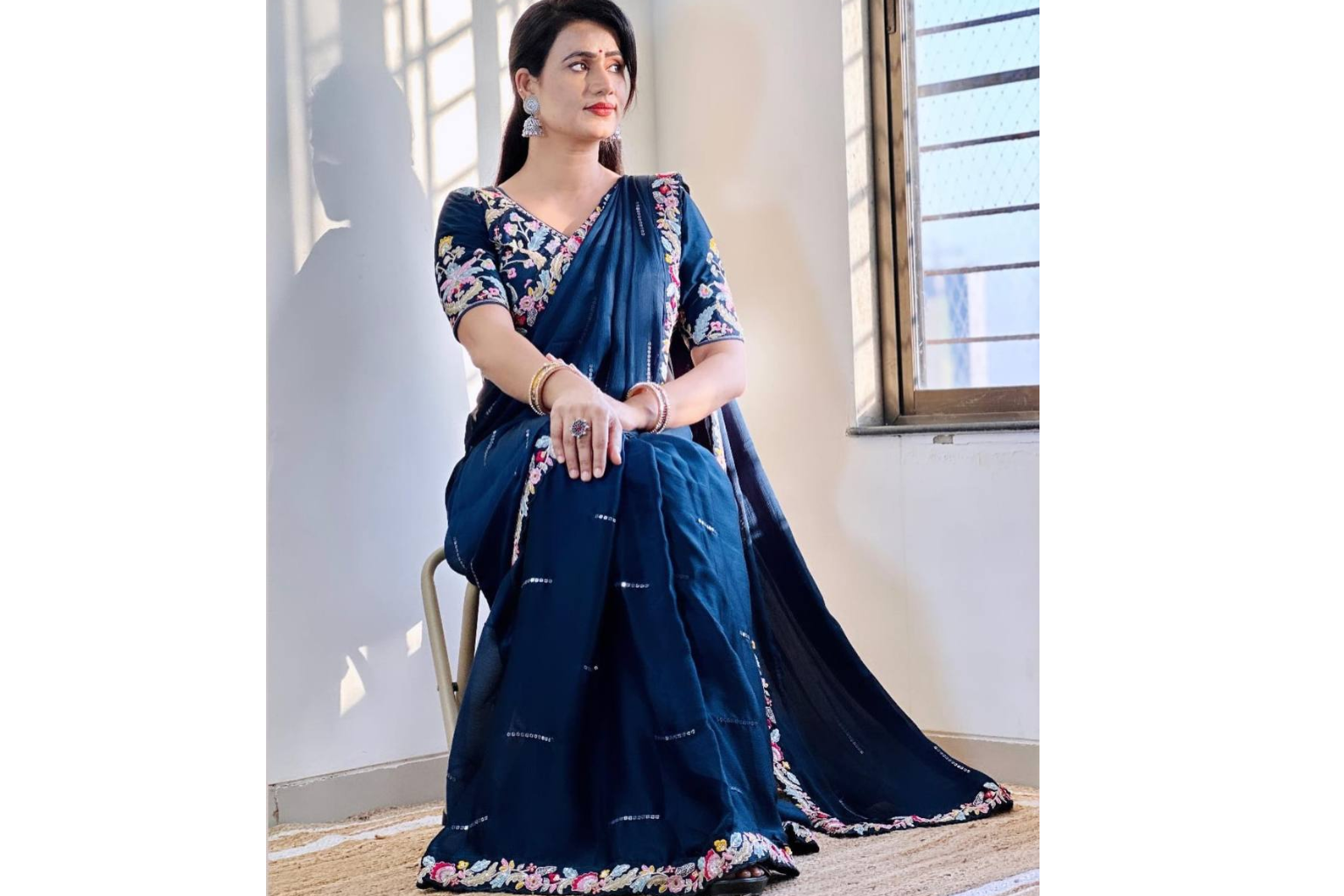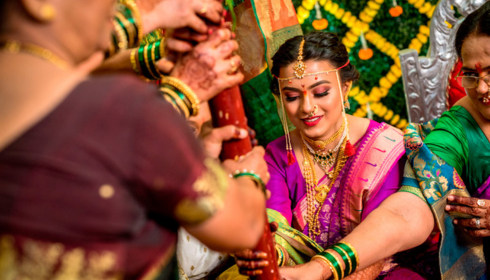
There was a time when buying clothes felt almost emotional. You’d save up, walk into a store, try something on, and imagine all the places you’d wear it. Weddings, parties, maybe even that one “special occasion” you couldn’t quite define.
But somewhere along the way, things shifted.
Closets started filling up faster than they emptied. Trends changed quicker than seasons. And suddenly, the idea of owning every outfit you wear began to feel… a little unnecessary.
That’s where rental fashion quietly stepped in—not as a loud revolution, but more like a practical alternative that just made sense.
Why Renting Clothes Doesn’t Sound Strange Anymore
If you had suggested renting clothes in India ten years ago, most people would have probably laughed it off. It felt impractical, maybe even a bit odd.
But today? It’s a different story.
Younger consumers, especially in urban areas, are far more open to the idea. For them, fashion is less about ownership and more about expression. It’s about wearing something once, capturing the moment, and moving on.
Social media has played a role too. Let’s be honest—no one wants to repeat the same outfit in every Instagram post. Renting offers variety without the guilt of overspending.
The Economics Behind It
There’s a simple math to rental fashion that’s hard to ignore.
Why spend ₹20,000 on a designer lehenga you’ll wear once, when you can rent it for a fraction of the cost? The same logic applies to gowns, suits, even everyday premium wear.
For many consumers, it’s not just about saving money—it’s about smarter spending. You get access to high-end fashion without committing to it long-term.
And from a business perspective, it’s equally interesting. Platforms can generate multiple revenue cycles from a single piece of clothing. It’s efficient, scalable, and surprisingly sustainable.
Sustainability: A Quiet but Powerful Factor
Fashion, as an industry, has a bit of a reputation problem when it comes to sustainability. Fast fashion, in particular, has raised concerns about waste and environmental impact.
Rental fashion offers a softer approach.
By extending the lifecycle of garments, it reduces the need for constant production. Fewer clothes being manufactured means less resource consumption overall. It’s not a perfect solution, but it’s a step in the right direction.
Interestingly, many users don’t even start renting for environmental reasons. But once they do, the sustainability angle becomes an added bonus.
The Role of Technology and Convenience
None of this would work without technology making it seamless.
Rental platforms today are designed to feel as easy as online shopping. Browse collections, select sizes, schedule delivery, return after use—it’s all streamlined.
Some platforms even offer trial options or home fittings, which addresses one of the biggest concerns people have: “What if it doesn’t fit?”
Logistics, cleaning, quality checks—these are handled behind the scenes. For the user, the experience is surprisingly smooth.
Changing Mindsets Around Ownership
This shift toward renting isn’t happening in isolation. It’s part of a larger cultural change.
Think about it—people are already comfortable renting homes, cabs, even furniture. Ownership isn’t always the goal anymore. Access is.
Related reading: Stunning Lily Arkwright Yellow Sapphire Solitaire Rings
Fashion is simply catching up.
And that brings us to an interesting point—Rental fashion platforms India me kaise grow ho rahe hain? The growth isn’t just about business models or investor funding. It’s about changing consumer psychology. People are becoming more flexible, more open to alternatives that fit their lifestyle.
Challenges That Still Exist
Of course, it’s not all smooth sailing.
Hygiene concerns still linger, especially among first-time users. Even though platforms follow strict cleaning processes, trust takes time to build.
There’s also the issue of availability. Popular pieces can get booked quickly, which can be frustrating if you’re planning for a specific event.
And then there’s the emotional aspect. For some, owning an outfit—especially for big occasions—still holds sentimental value. Renting doesn’t quite replace that feeling.
Who Is Driving This Trend?
Urban millennials and Gen Z are at the forefront, no surprise there. They’re more experimental, more conscious of spending, and less attached to traditional ideas of ownership.
But what’s interesting is how the trend is slowly expanding beyond metros. Tier-2 cities are beginning to show interest, especially for wedding wear and special occasions.
It’s not mainstream everywhere yet, but it’s definitely spreading.
The Future Feels… Flexible
If you look ahead, rental fashion doesn’t seem like a passing trend. It feels more like a natural evolution of how people interact with clothing.
Will it replace traditional shopping? Probably not.
But will it become a strong alternative? Very likely.
As platforms improve, trust builds, and awareness grows, more people will at least consider renting before buying.
Final Thoughts
At its core, rental fashion isn’t just about clothes. It’s about changing how we think—about value, ownership, and even identity.
You don’t need to own something to enjoy it. Sometimes, experiencing it once is enough.
And maybe that’s the real shift here. Not just in fashion, but in mindset. A little less attachment, a little more freedom—and a wardrobe that finally breathes.