
Most people walk into a home or commercial building expecting one simple thing: stability. You assume the walls are sound, the systems behind them work properly, and the structure itself was built carefully enough to protect the people inside it.
That trust feels automatic until something goes wrong.
Maybe water starts appearing where it shouldn’t. A ceiling develops stains only months after construction finishes. Pipes begin leaking behind walls, quietly damaging floors and insulation before anyone notices. In more serious situations, electrical failures or gas-related issues can create dangerous emergencies that turn ordinary buildings into unsafe spaces almost overnight.
And honestly, these problems rarely stay “small” for long.
Building failures tend to ripple outward. What begins as a minor leak can eventually affect structural materials, indoor air quality, insulation systems, and even the emotional comfort people feel inside their own homes or workplaces. Once trust in a building disappears, everything feels different.
The Hidden Nature of Construction Problems
One reason building-related issues become so frustrating is that many problems remain invisible at first. A property may look beautiful on the surface while serious flaws develop quietly behind walls, ceilings, or beneath foundations.
That’s often how major construction defects reveal themselves.
Improper waterproofing, poor material installation, inadequate structural support, or rushed workmanship may not show obvious signs immediately after construction. Months or even years later, however, cracks begin spreading, moisture damage appears, or systems start failing unexpectedly.
And by then, determining responsibility becomes complicated.
Construction projects involve architects, contractors, subcontractors, suppliers, inspectors, engineers, and project managers all contributing different pieces to the final result. When problems emerge, everyone may have a different explanation for what caused them.
That’s part of what makes these disputes emotionally exhausting for property owners.
People invest enormous amounts of money and trust into homes and commercial properties. Discovering serious defects after completion often feels deeply personal, especially when repairs become expensive or disruptive to daily life.
A home isn’t just a structure on paper. It’s where people sleep, gather with family, and expect to feel safe.
Why Water Damage Creates So Many Problems
Water has a strange way of exposing weaknesses inside buildings. A tiny leak hidden behind drywall may quietly cause damage for months before anyone notices visible signs. By the time stains appear or floors begin warping, the underlying problem may already be extensive.
That’s why systems involving plumbing & piping require such careful design and installation.
Pipes run through nearly every modern building, carrying water, gas, drainage, or heating fluids through hidden pathways people rarely think about. When these systems function properly, life feels normal. But when failures occur, damage spreads quickly.
Leaks can weaken framing, encourage mold growth, damage electrical systems, and create long-term repair costs that escalate far beyond the original issue. In commercial properties, plumbing failures may interrupt business operations entirely.
And honestly, plumbing problems often create emotional stress as much as financial strain.
Anyone who has dealt with flooding inside a home understands how disruptive it feels. Furniture gets ruined. Floors need replacement. Daily routines suddenly revolve around cleanup crews, insurance calls, and repair schedules. Even after repairs finish, some people continue worrying every time they hear unusual sounds from pipes or notice heavy rainfall outside.
That lingering anxiety is real.
When Structural Failures Turn Dangerous
Most building issues involve inconvenience, financial loss, or repair disputes. But some failures carry far more serious consequences.
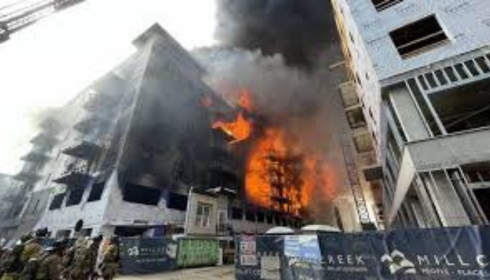
Improper electrical systems, gas leaks, combustible materials, overloaded circuits, or poorly maintained infrastructure can create conditions that lead to fires explosions & conflagrations — situations capable of causing devastating property damage, injuries, or loss of life within moments.
These incidents rarely happen because of one isolated mistake alone.
Investigations often reveal multiple contributing factors layered together over time: maintenance failures, code violations, improper installations, defective products, aging infrastructure, or overlooked warning signs. Sometimes systems fail gradually before finally reaching a breaking point under pressure.
And afterward, investigators are left piecing together what actually happened.
That process can become incredibly technical. Fire investigators, engineers, electricians, and safety experts may analyze burn patterns, equipment conditions, material failures, gas systems, wiring configurations, and structural damage to determine how an incident began and why it spread the way it did.
Small details matter enormously in those investigations.
Why Building Safety Is About More Than Codes
One thing people sometimes misunderstand about construction standards is that building codes represent minimum safety requirements, not guarantees of perfect quality. Meeting code matters enormously, of course, but true long-term reliability also depends on workmanship, maintenance, communication, and careful oversight throughout a project’s life.
And buildings age.
Materials expand, contract, wear down, and react differently to weather, moisture, and usage patterns over time. Systems require inspection and maintenance long after construction crews leave the site. Ignoring small warning signs often allows larger problems to develop quietly beneath the surface.
That’s why experienced contractors, engineers, and inspectors emphasize prevention so heavily.
The strongest professionals usually focus on identifying risks early rather than simply reacting after damage occurs. Honest communication during projects matters too. Small concerns addressed quickly are far easier to manage than major failures discovered years later.
The Human Side of Building Failures
At the center of every construction defect or property damage case are people trying to regain normalcy after something unexpected disrupted their lives.
Families want safe homes again. Business owners want operations restored. Property managers want reliable systems they no longer have to worry about every day. Behind all the technical reports and repair estimates, there’s usually someone exhausted from dealing with uncertainty and disruption.
That human side matters.
The best professionals in construction, engineering, and investigation work understand that they’re not simply evaluating materials or systems. They’re helping people navigate situations that often feel financially and emotionally overwhelming at the same time.
And maybe that’s why trust matters so much in building-related work. When people step inside homes, offices, schools, or public buildings, they shouldn’t have to wonder whether hidden problems are quietly developing around them.
They should simply feel safe enough to live their lives normally — which, honestly, is what good construction is supposed to provide in the first place.