It’s a strange thought at first — buying clothes you can’t physically wear. No fabric, no stitching, no wardrobe space needed. And yet, here we are. Digital fashion is quietly becoming a thing, not just among tech enthusiasts or gamers, but everyday people who spend a significant part of their lives online.
If you’ve ever chosen an outfit more carefully for an Instagram post than for an actual outing… well, you already understand the logic, at least a little.
What Is Digital Fashion, Really?
At its simplest, digital fashion refers to clothing that exists purely in virtual form. These are outfits designed using 3D software, worn by avatars in games, social platforms, or even edited onto real photos.
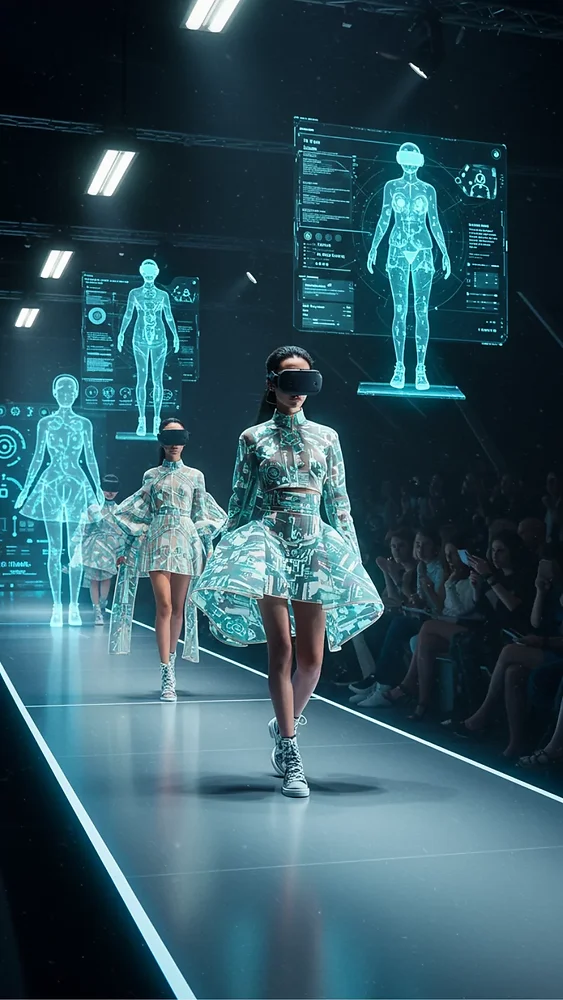
It’s not entirely new. Video games have had customizable skins and outfits for years. But what’s changed is how this idea is spilling into mainstream culture — from social media filters to high-end virtual fashion shows.
Which naturally leads to the question — Digital fashion aur virtual clothing ka concept kya hai?
It’s less about replacing physical clothing and more about expanding how we express ourselves in digital spaces.
Why People Are Buying Virtual Clothes
At first glance, it might seem unnecessary. Why spend money on something you can’t touch?
But then again, we already do that in other ways. Think about buying in-game items, premium filters, or even NFTs at their peak. Value, especially in the digital world, isn’t always tied to physical presence.
For many, digital fashion is about identity. Your online persona — whether on social media, gaming platforms, or virtual worlds — is just as real in terms of expression. And clothing plays a huge role in that.
There’s also a sustainability angle. No manufacturing, no shipping, no textile waste. In theory, it’s fashion without the environmental cost. Though, of course, digital production has its own energy footprint.
The Influence of Social Media and Gaming
Social media platforms have blurred the line between real and curated identities. People experiment with looks, aesthetics, and styles that they might not try in everyday life.
Digital clothing fits perfectly into this space. Want to wear a futuristic metallic outfit or something that defies physics? No problem. It’s limited only by imagination.
Gaming has pushed this even further. Players are already comfortable spending money on skins and outfits for their avatars. That behavior is now crossing over into broader digital experiences.
Luxury Brands Are Paying Attention
Interestingly, some of the biggest fashion houses are stepping into this space.
Brands are launching digital collections, collaborating with gaming platforms, and even selling virtual outfits at premium prices. It’s not just about novelty — it’s about staying relevant in a world where younger audiences are spending more time online than offline.
For them, digital fashion isn’t a gimmick. It’s a long-term investment in how fashion will evolve.
Related reading: What Jewellery Do Maharashtrian Brides Wear for Each Wedding Ritual
The Creative Freedom It Offers
One of the most exciting aspects of digital fashion is the lack of constraints.
In the physical world, designers have to think about materials, durability, cost, and practicality. In the digital world, those limits disappear. Clothes can glow, float, transform — they can be as experimental as the designer wants.
This opens up new possibilities for creativity. It also gives emerging designers a platform to showcase their work without the high costs of production.
But Is It Just a Trend?
That’s the big question.
Skeptics argue that digital fashion is just another passing phase, driven by hype and novelty. And to some extent, that’s fair. Not everyone is ready to spend on virtual clothing, especially when real-world needs take priority.
Related reading: Stunning Lily Arkwright Yellow Sapphire Solitaire Rings
But if you look at the bigger picture — the rise of virtual worlds, the growing importance of online identity, the integration of technology into daily life — it starts to feel less like a trend and more like an early stage of something bigger.
The Challenges It Faces
Of course, it’s not without its issues.
Accessibility is one. Not everyone has access to platforms or tools that support digital fashion. There’s also the question of ownership — what does it mean to “own” a digital outfit?
And then there’s the emotional aspect. Physical clothing has texture, memory, presence. A jacket you’ve worn for years carries a story. Digital clothing, at least for now, lacks that kind of tangible connection.
A Glimpse Into the Future
Maybe the future isn’t about choosing between physical and digital fashion. Maybe it’s about coexistence.
You’ll still have your everyday clothes — the ones you wear to work, to events, to family gatherings. But alongside that, you might have a digital wardrobe for your online presence.
It sounds unusual now, but so did online shopping once.
Final Thoughts
Digital fashion challenges how we think about clothing, identity, and value. It asks us to consider whether expression needs to be physical to be meaningful.
And while it’s still evolving, there’s something undeniably intriguing about it. A quiet shift, much like many others happening in the background of our increasingly digital lives.
Whether it becomes mainstream or remains niche, one thing is clear — fashion is no longer confined to the closet.