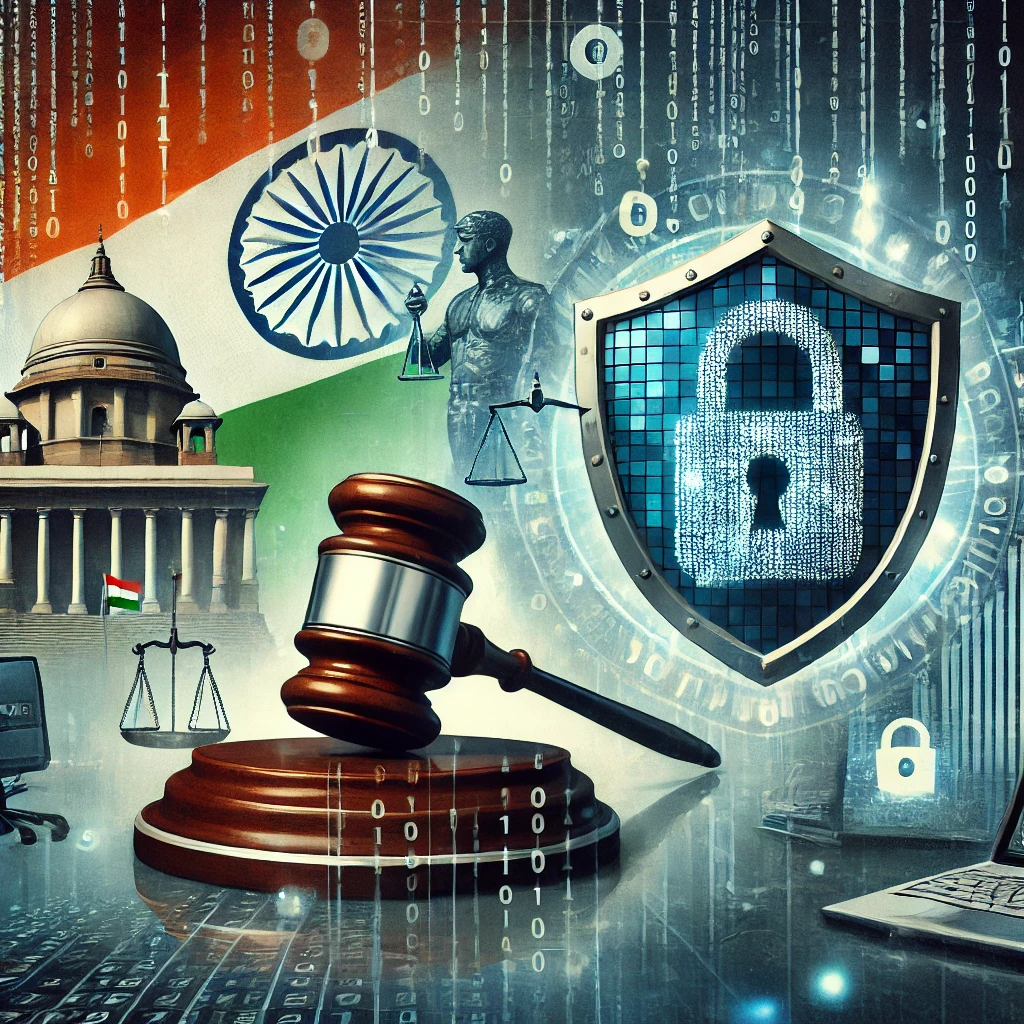
It’s strange how quickly things can spiral online. A single post, a tweet, maybe even a comment written in frustration — and suddenly, it’s not just a moment anymore. It’s permanent, shareable, and sometimes, damaging in ways people don’t immediately realize.
We live in a time where opinions travel faster than facts. And while that freedom has its advantages, it also brings a certain kind of risk. Especially when those words start affecting someone’s reputation.
That’s where the idea of online defamation comes in — a concept that feels simple at first, but gets complicated the moment you look closer.
What Counts as Defamation Online?
Defamation, in general terms, is about harming someone’s reputation through false statements. When it happens online, it doesn’t really change the definition — but it does amplify the impact.
A rumor shared in a small circle stays small. The same rumor posted online? It can reach thousands, sometimes millions, in a matter of hours.
In India, defamation can be both civil and criminal. Civil cases usually involve compensation for damages, while criminal defamation can lead to penalties under the law.
But knowing that something is “defamation” and actually proving it — those are two very different things.
The Thin Line Between Opinion and Harm
One of the trickiest parts is understanding where opinion ends and defamation begins.
People are allowed to express opinions, even strong ones. Criticism, reviews, disagreements — all of that falls under free speech. But when statements are presented as facts and turn out to be false, especially if they harm someone’s reputation, the situation changes.
This grey area often leads to confusion, and sometimes, legal disputes.
It’s also why questions like Online defamation cases kaise handle hote hain India me? are becoming more common, especially as more people engage actively on digital platforms.
How Cases Typically Begin
Most defamation cases don’t start in court. They begin with a reaction — someone notices a post, feels wronged, and decides to take action.
The first step is often a legal notice. This is essentially a formal communication asking the person responsible to remove the content, issue an apology, or stop spreading the statement.
Sometimes, that’s enough. The issue gets resolved quietly.
But if it doesn’t, the matter can escalate.
Legal Routes: Civil and Criminal
In India, defamation cases can be pursued through two main paths.
Civil defamation focuses on compensation. The affected party seeks damages for the harm caused to their reputation. These cases usually take time and involve detailed arguments about the extent of the damage.
Criminal defamation, on the other hand, falls under specific provisions of law. If proven, it can result in fines or even imprisonment. However, criminal cases require a higher level of proof and are often more complex.
Both routes have their own processes, timelines, and challenges.
Evidence Matters More Than You Think
One thing that stands out in online defamation cases is the importance of evidence.
Screenshots, links, timestamps — these become crucial. Because online content can be edited or deleted, preserving proof early on makes a significant difference.
It’s not just about what was said, but how it was said, where it was published, and who could access it. Context plays a huge role.
Without solid evidence, even a strong claim can become difficult to pursue.
The Role of Platforms
Another layer to consider is the platform itself.
Social media companies, websites, and forums often have their own policies regarding harmful content. In some cases, reporting the content directly to the platform can lead to its removal without legal intervention.
However, platforms don’t always act quickly — or in the way users expect. That’s when legal action becomes a more serious consideration.
Challenges People Often Face
Handling defamation cases isn’t always straightforward.
Legal processes can be time-consuming. Proving intent, establishing harm, navigating jurisdiction issues — all of this takes effort and patience.
There’s also the emotional aspect. Being publicly defamed can be stressful, sometimes overwhelming. The decision to pursue legal action isn’t just about law; it’s also about personal resilience.
A Word on Responsibility
If there’s one takeaway from all this, it’s this — what we say online matters.
It’s easy to forget that behind every profile is a real person. Words typed in seconds can have consequences that last much longer.
That doesn’t mean people should stop expressing themselves. It just means being mindful. Verifying information before sharing. Thinking twice before making serious claims.
Final Thoughts
Online defamation sits at the intersection of free speech and accountability.
On one hand, the internet gives everyone a voice. On the other, it demands a certain level of responsibility in how that voice is used.
In India, the legal framework exists to address such issues, but navigating it requires understanding, patience, and often, professional guidance.
Because in the end, reputation — once affected — isn’t always easy to restore.
And sometimes, the simplest solution is also the most overlooked: choosing words a little more carefully before hitting “post.”