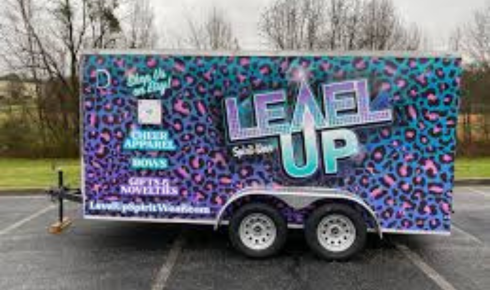
Walk through any busy food festival and you’ll notice something interesting almost immediately. Certain trucks attract attention before people even know what they’re serving.
It’s rarely accidental.
Maybe the colors pull you in from across the lot. Maybe it’s a clever logo, oversized illustrations, or just a truck that somehow feels alive compared to everything parked beside it. Long before someone tastes the food, the visuals are already doing quiet work in the background.
That’s the strange power of design in the food truck world. People think they’re making decisions based purely on hunger, but honestly, atmosphere and visual identity shape those choices far more than we admit.
First Impressions Happen in Seconds
Food trucks don’t get much time to capture attention.
Unlike traditional restaurants tucked inside buildings, mobile kitchens exist fully in public view. Customers are often walking past quickly, distracted by crowds, music, conversations, and dozens of competing food options at the same event.
In that environment, visuals matter immediately.
Strong food truck graphics help businesses create instant recognition. They communicate personality before a single menu item gets read. A bright playful truck suggests a different experience than a sleek matte-black setup with minimalist typography.
And customers notice those details subconsciously.
People naturally drift toward things that feel visually inviting or emotionally interesting. Sometimes the truck that “looks right” wins attention before the food itself even enters the equation.
Good Design Feels Like Personality, Not Advertising
One mistake many newer businesses make is treating truck graphics like giant billboards.
They overload every inch with information — huge menus, crowded slogans, too many colors fighting for attention. Ironically, those trucks often become less memorable because nothing stands out clearly.
The best food truck visuals usually feel more personal.
Maybe there’s hand-drawn artwork reflecting family recipes. Maybe the design uses warm retro colors that match comfort food vibes. Some trucks lean into humor, while others feel polished and modern without looking corporate.
Related reading: When Creativity Meets Code: Are AI Ads Changing the Way We Connect?
The point isn’t simply visibility. It’s emotional connection.
People respond to businesses that feel human. A thoughtfully designed truck creates a sense of curiosity before customers even reach the serving window.
Social Media Changed the Way Trucks Are Designed
A decade ago, most food trucks only needed to look good in person.
Now they also need to look good online.
Customers photograph everything — tacos, burgers, coffee cups, neon signs, truck exteriors, festival crowds. One visually interesting truck can appear in hundreds of Instagram stories or TikTok clips during a single weekend event.
That’s one reason marketing wraps became such a major investment for food businesses. A wrap isn’t just decoration anymore. It’s part of the customer experience and part of the content people share afterward.
Bright colors, clean logos, oversized illustrations, reflective finishes — these details help trucks stand out both physically and digitally.
Related reading: When Nobody Clicks but Everyone Watches: The Subtle Power of Zero-Click Content
And honestly, some trucks become famous online largely because they’re visually memorable before anyone even discusses the food.
Design Influences Perceived Quality
People judge food quality visually long before they taste anything.
It’s human nature.
A clean, professionally designed truck usually feels more trustworthy than a cluttered or poorly maintained one. Customers associate polished presentation with professionalism, hygiene, and attention to detail — even if they’re not consciously thinking about it.
Menus matter too.
Clear typography, organized layouts, and easy-to-read visuals reduce friction during ordering. Confusing menus create hesitation. Simple design helps customers feel comfortable making decisions quickly, especially in crowded environments.
Good design removes stress without people realizing why they feel more relaxed.
The Right Design Tells a Story
Strong visual branding usually hints at the experience customers are about to have.
That’s where experienced design services make such a difference. Designers who understand food branding don’t just create something “cool-looking.” They help businesses visually communicate identity, mood, and personality in ways customers immediately understand.
A seafood truck near the beach might use airy coastal colors and soft textures. A late-night burger truck may lean toward bold urban visuals and neon-inspired graphics. Dessert trucks often use playful typography because the emotional tone is completely different.
Every visual decision quietly shapes expectations.
And when the design matches the food experience naturally, customers remember it longer.
Simplicity Usually Wins
One thing experienced food truck owners eventually realize is that customers don’t process visual information very carefully in busy spaces.
People glance quickly.
That means clarity matters more than complexity. Strong designs often rely on one memorable concept rather than ten competing ideas. A recognizable logo, a consistent color palette, maybe one standout illustration — that’s often enough.
The trucks people remember most usually aren’t the loudest ones.
They’re the ones that feel cohesive.
There’s confidence in restraint. Customers sense it even if they can’t explain exactly why one truck feels polished while another feels chaotic.
Familiarity Builds Loyalty Quietly
Over time, strong visuals create recognition.
Customers start spotting favorite trucks from across crowded parking lots or festival grounds without even needing to read names anymore. That familiarity lowers hesitation. People return to what feels known.
And honestly, recognition is one of the most valuable things any food business can build.
Because eventually customers stop saying, “Let’s try something random.”
Instead, they say, “Oh look, that truck is here again.”
That shift matters enormously.
Design Becomes Part of the Experience
At the end of the day, food trucks are about more than food alone.
They’re social experiences. Community spaces. Little moments people remember from festivals, concerts, breweries, street corners, or late-night gatherings with friends. The truck itself becomes part of those memories.
That’s why thoughtful visual identity matters so much.
A great design doesn’t just advertise products. It creates anticipation, atmosphere, and emotional connection before anyone places an order. It helps businesses feel approachable, memorable, and alive in crowded environments where attention disappears quickly.
And honestly, people may forget exactly what they ordered months later.
But they’ll often remember the truck that made them stop walking in the first place.