Hard water is easy to underestimate. It comes out of the tap looking clear, fills the kettle, runs the shower, washes the dishes, and seems harmless enough. Most people don’t think about minerals in their water until the signs start showing up around the house. A crusty ring around the faucet. White spots on the shower glass. A coffee maker that needs cleaning far too often. Towels that somehow feel rough even after a fresh wash.
At first, these little things feel like normal household annoyances. You wipe more, scrub harder, buy stronger cleaner, or blame the appliance. But sometimes the real issue is not the cleaning product or the dishwasher or the washing machine. It is the water running through all of them every single day.
Why Hard Water Leaves a Mark
Hard water usually contains higher levels of calcium and magnesium. These minerals are common in many water supplies, especially where water passes through limestone or mineral-rich ground before reaching homes. The water may still be usable, and in many cases perfectly safe, but it can create problems over time.
The tricky part is that mineral damage happens slowly. You may not notice it after one shower or one load of laundry. But month after month, the buildup begins to show. Fixtures lose their shine. Showerheads clog. Appliances work harder. The home starts needing more attention than it should.
The Hidden Impact on Pipes
One of the biggest reasons homeowners consider water treatment is to protect plumbing from long-term mineral buildup. Pipes are not something most people inspect regularly, and honestly, why would they? They are hidden behind walls, under floors, and inside utility spaces. But when minerals collect inside plumbing over time, they can affect water flow and place extra strain on the system.
This does not mean every home with hard water is in immediate trouble. Still, ignoring it for years can lead to avoidable maintenance issues. A good water treatment approach helps reduce that daily mineral load, giving the plumbing a better chance to keep working smoothly.
Appliances Feel the Difference Too
Think about how many appliances rely on water. The dishwasher. Washing machine. Water heater. Coffee maker. Ice maker. Some homes even have humidifiers or other connected equipment. If hard water keeps moving through these machines, mineral deposits can slowly collect inside them.
Reducing mineral buildup can help extend appliance life by allowing equipment to operate under cleaner, less stressful conditions. A water heater, for example, may become less efficient when scale forms inside. A dishwasher may leave cloudy marks because it is fighting minerals every cycle. Small deposits may not seem like much, but over time, they can add up to repairs, replacements, and frustration.
The Everyday Signs Are Usually Obvious
Most homeowners notice hard water in the places they clean most often. The bathroom mirror and shower door get spots. Faucets develop chalky edges. The kettle has flakes at the bottom. Soap feels like it does not rinse away properly. Laundry may feel stiff. Hair may feel dull or heavy after washing.
These signs are not just cosmetic. They are clues. They tell you the water is leaving minerals behind. And once you start noticing the pattern, it becomes harder to ignore.
What Minerals Do Around the Home
The term hard water minerals may sound technical, but the effect is very practical. Calcium and magnesium can cling to surfaces, react with soap, and build up inside equipment that heats or moves water. That is why hard water often causes scale in kettles, residue on tiles, and poor lather from soap or shampoo.
It can also make cleaning feel like a never-ending job. You clean the tap, and the marks come back. You scrub the shower, and the cloudy film returns. It is not that the home is dirty. The water is simply leaving behind more than you want.
Softening Is About More Than Comfort
Many people think water softening is only about nicer showers or softer laundry. Those benefits are real, of course. But the bigger value is often behind the scenes. Softer water can help reduce scale, improve soap performance, and make everyday cleaning easier.
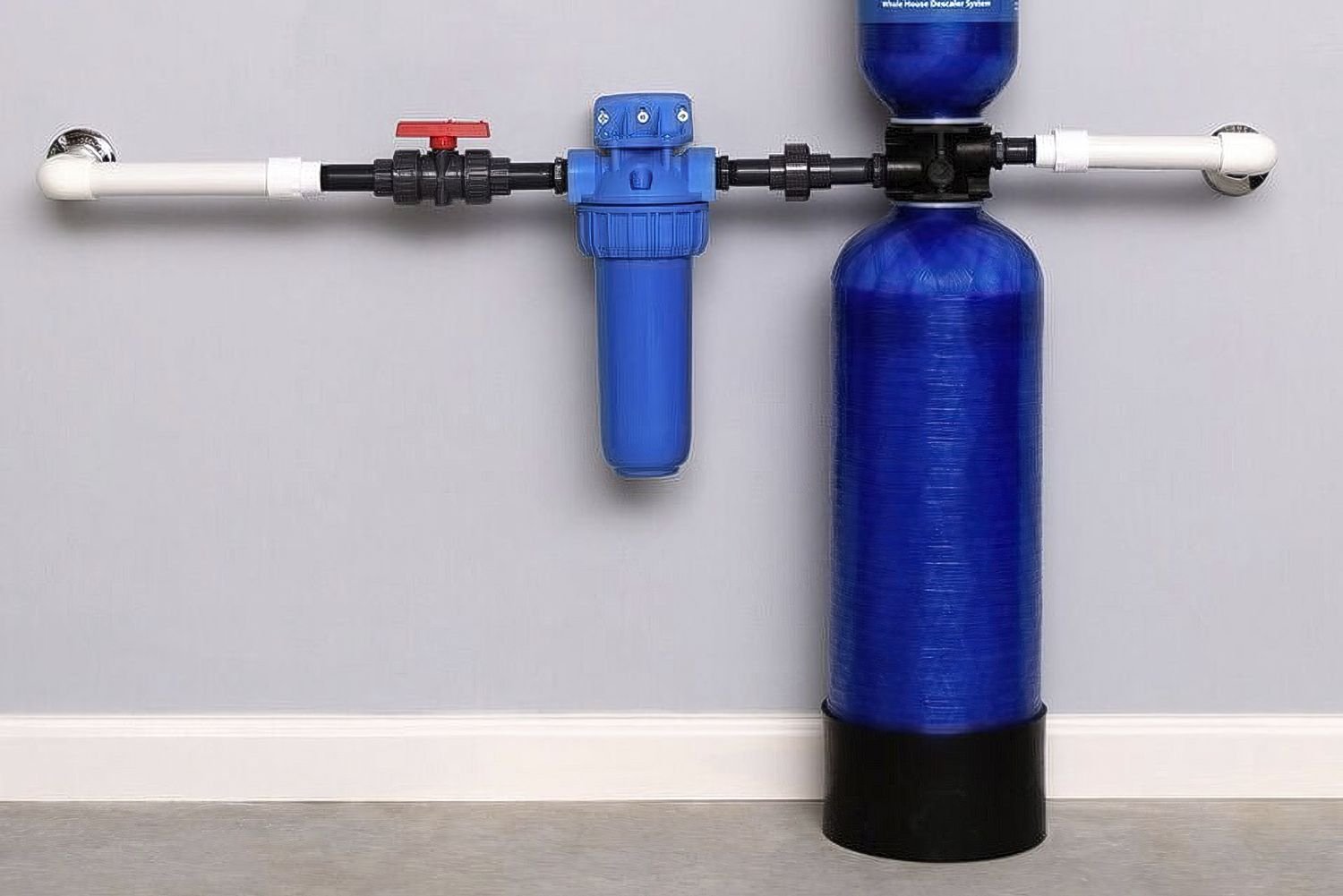
A properly chosen system can treat water before it travels through the home. That means the benefits are not limited to one sink or one appliance. The whole household can feel the difference, from the bathroom to the laundry room to the kitchen.
Testing Comes First
Before choosing a system, it is wise to test the water. Hardness levels can vary quite a bit from one area to another, and even from one property to the next. Some homes may only need softening, while others may also have concerns like chlorine taste, sediment, iron, or odour.
A water test removes the guesswork. It helps homeowners understand what is actually in the water and which solution makes sense. That way, they are not buying equipment based on a vague promise or a neighbour’s experience.
Choosing the Right System
The best water treatment setup is not always the biggest or most expensive one. It is the one that fits the home. Household size, water usage, plumbing layout, hardness level, and maintenance preferences all matter.
A reliable provider should explain everything clearly. No pressure, no scare tactics, no confusing jargon. Just practical advice based on real water conditions. That kind of guidance makes the decision much easier and helps homeowners feel confident about the investment.
Maintenance Keeps Results Steady
Water treatment systems need basic care. Salt levels may need checking. Settings should be reviewed. Some systems need periodic servicing. It is not difficult, but it should not be forgotten.
When maintenance is skipped, old problems can slowly return. Scale may build up again, dishes may spot, and appliances may start showing signs of strain. A simple routine helps keep the system working properly year after year.
A Quiet Upgrade That Pays Off
Better water does not always feel dramatic on day one. It is more of a gradual relief. Cleaning becomes easier. Appliances seem less burdened. Showers feel better. Fixtures stay nicer for longer. The home simply runs with fewer little frustrations.
In the end, treating hard water is not only about comfort. It is about caring for the parts of the home you can see and the parts you cannot. Good water supports daily life quietly, but its impact is real. And once the home starts feeling easier to maintain, it becomes clear why water quality deserves attention.