Water is one of those things we rarely think about until it starts causing trouble. It runs from the tap, fills the kettle, washes the laundry, cleans the dishes, and disappears down the drain. Simple enough, right? But sometimes water leaves little hints behind. A rusty mark near the sink. A bluish-green ring around a drain. Cloudy spots on glasses. A metallic taste that wasn’t there last month.
These signs can feel small at first, almost too easy to ignore. But they often say something important about what’s happening inside your plumbing, your fixtures, or the water itself.
The Marks Water Leaves Behind
Most homeowners notice water problems visually before anything else. Maybe the shower walls start looking dull, or the toilet bowl develops stubborn reddish streaks. These staining issues can come from iron, manganese, copper, hard minerals, or even changes in water chemistry. And no, it doesn’t always mean your home is dirty. In many cases, you can scrub and scrub, but the marks come back because the cause is still flowing through the pipes.
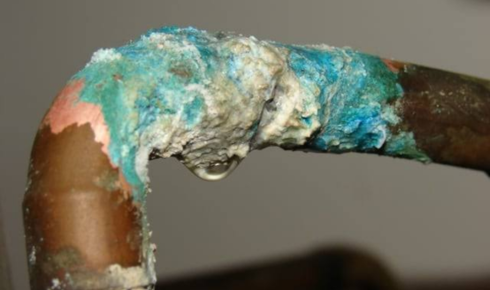
Iron usually leaves orange or reddish-brown stains. Manganese can create dark brown or black marks. Copper may show up as blue-green stains, especially around taps and drains. Hard water, meanwhile, tends to leave white, chalky buildup on glass, tiles, and appliances. It’s annoying, but it’s also useful information if you know how to read it.
Why Water Quality Changes Over Time
Water quality isn’t fixed forever. It can change because of seasonal shifts, ageing pipes, nearby construction, well conditions, municipal treatment changes, or even the type of plumbing installed in the house. A home that had no noticeable issues for years can suddenly start showing signs of mineral buildup or corrosion.
For homes using well water, the source itself may change after heavy rain, drought, or groundwater movement. For city water users, treatment levels may vary slightly depending on local supply needs. Usually, these changes are safe, but they can still affect taste, smell, staining, and how water behaves inside the home.
This is why testing matters. Guessing based on colour alone can help point you in a direction, but it won’t tell the whole story. A proper water test can identify mineral levels, pH, hardness, iron, copper, and other factors that may be contributing to the problem.
The Hidden Cost of Ignoring Water Problems
A stain on a sink might not seem urgent. Fair enough. But water problems have a way of spreading quietly. Hard water can reduce appliance efficiency. Iron can clog filters and leave laundry looking dingy. Acidic water may slowly damage plumbing. Mineral scale can build inside water heaters, forcing them to work harder than they should.
Then there’s the comfort side of it. Water that smells odd or tastes metallic can make people avoid drinking from the tap. Laundry may feel stiff. Skin can feel dry after showers. Coffee and tea might taste a little off. These are small daily frustrations, but they add up.
And sometimes the issue is deeper than appearance. pipe corrosion can happen when water is too acidic, too soft, or chemically imbalanced. Over time, this may lead to leaks, pinhole damage, blue-green staining, or metals entering the water. It’s not something to panic about, but it is something worth taking seriously.
Matching the Treatment to the Problem
Not every water issue needs the same fix. That’s where many people go wrong. They buy a filter online, install it, and hope for the best. Sometimes it helps. Sometimes it doesn’t touch the real problem at all.
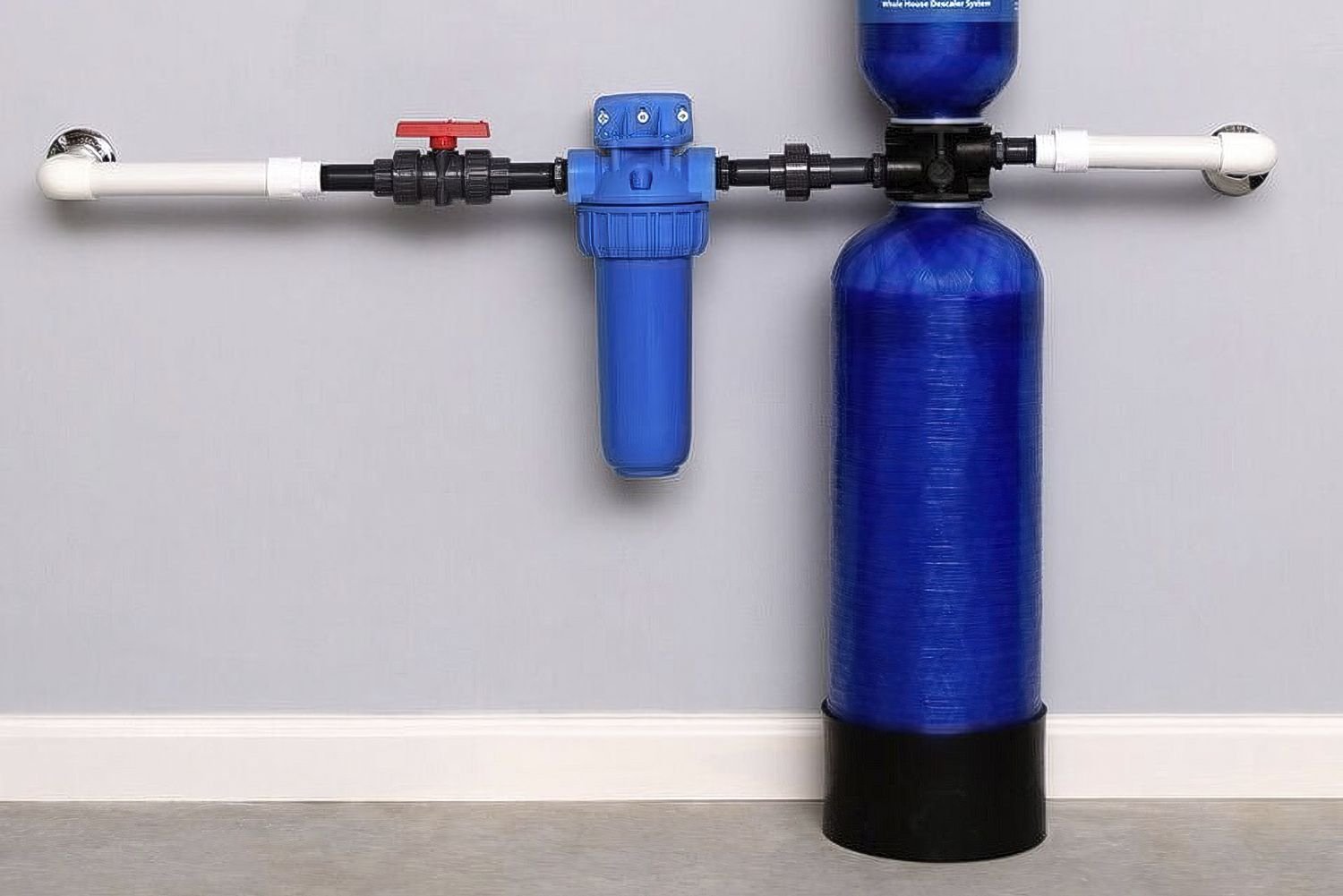
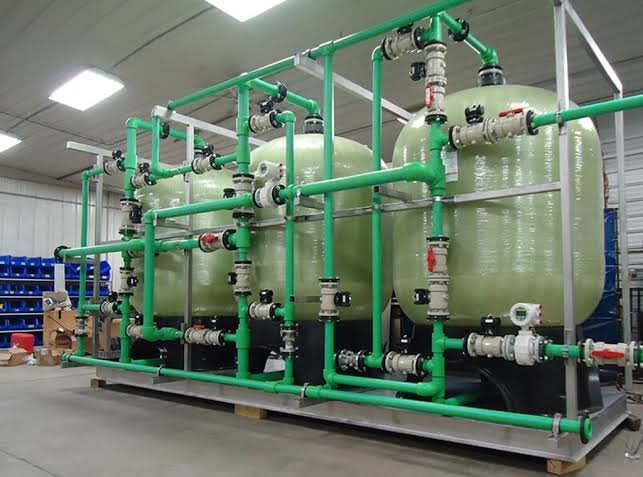
For hard water, a water softener may be the right choice. For iron, a dedicated iron filter might be needed. Acidic water may require neutralisation. Sediment problems may call for a whole-house sediment filter. Bad taste or odour may be improved with carbon filtration. In some cases, a combination system works best.
Good water treatment solutions are not about throwing equipment at a problem. They’re about understanding the water first, then choosing a system that fits the home, the plumbing, and the family’s daily needs.
Why Professional Guidance Helps
There’s a lot of water advice floating around online, and some of it is useful. But every property is different. Two houses on the same street can have different plumbing materials, different water pressure, different usage habits, and different problem levels.
A professional water test and system recommendation can save time and money because it avoids guesswork. It also helps prevent over-treatment. Nobody wants to pay for a system that’s larger, more complicated, or more expensive than necessary. At the same time, under-treating the water can leave the original problem hanging around.
The right specialist will look at the symptoms, test the water, explain the results clearly, and recommend practical options. Not scare tactics. Not confusing jargon. Just a sensible path forward.
Small Signs Are Worth Listening To
Water problems rarely announce themselves dramatically. They usually whisper first. A stain. A smell. A bit of scale. A tap that doesn’t look as clean as it used to. Paying attention early can protect fixtures, improve daily comfort, and help avoid bigger repairs later.
Clean, reliable water makes a home feel better in ways people don’t always notice until something goes wrong. The shower feels nicer. Appliances last longer. Glassware looks clearer. Drinking water tastes fresher. Even cleaning becomes less of a battle.
So, if your water is leaving marks, changing taste, or making fixtures look older than they are, don’t brush it off as “just water.” It may be telling you something. And with the right testing, advice, and treatment, those little clues can lead to a much better water experience at home.