Most of us trust water because, well, we have to. It comes out of the tap, fills the glass, boils the pasta, rinses the baby bottle, and becomes part of almost every small routine inside the home. When it looks clear and smells normal, it feels safe. That’s a fair instinct. But water can be a little sneaky. Some of the most important problems are not always visible, and they don’t always announce themselves with a bad smell or strange color.
That doesn’t mean every glass of tap water should make anyone nervous. Not at all. Most households simply need a better understanding of what their water contains and where problems may come from. A simple test, a little awareness, and the right treatment approach can make a huge difference. The hard part is knowing when to stop guessing and start checking.
Clear Water Isn’t Always Problem-Free
One of the biggest misunderstandings about drinking water is that appearance tells the whole story. If water is brown, cloudy, or smelly, people naturally know something may be wrong. But if it’s clear, they assume everything is fine.
Unfortunately, that’s not always how water works. Certain issues can be present without changing the taste, odor, or look of the water. This is especially true in older homes, private wells, rural properties, and areas where plumbing materials or nearby land use may affect water quality.
Water can pick up substances as it travels. It may move through soil, wells, pipes, fixtures, storage tanks, or municipal lines before it reaches the faucet. Each step creates a chance for something to change. Sometimes the change is harmless. Other times, it deserves attention.
Why Older Plumbing Deserves a Closer Look
Homes with older plumbing can have unique water concerns. Pipes, solder, fixtures, and service lines may all affect what comes out of the tap. Even when the public water supply is treated properly, the final stretch into the home can matter.
This is one reason people test for lead in water, especially in older properties or homes with plumbing that has not been updated in many years. Lead is not something you can reliably detect by taste or smell, which makes testing important. Families with young children, pregnant women, or elderly residents often take this concern more seriously, and rightly so.
The practical step is not panic. It’s information. Once testing confirms whether lead is present, a homeowner can look at solutions such as certified filtration, plumbing updates, or point-of-use drinking water systems.
The Special Case of Private Wells
Private well water can be wonderful. It often tastes fresh, and many homeowners like the independence of having their own water source. But unlike municipal water, private wells are usually the homeowner’s responsibility. That means testing, maintenance, and treatment decisions fall on the household.
A well can be affected by heavy rain, flooding, nearby septic systems, livestock areas, agricultural runoff, cracked well caps, or aging equipment. Sometimes the water changes quickly after a storm. Other times, it shifts slowly enough that nobody notices for months.
This is why regular testing is so important for well owners. You can’t fix what you don’t know about, and guessing from taste alone is not good enough.
When Germs Become the Bigger Concern
Some water problems are about comfort — stains, mineral buildup, odd taste, or cloudy glasses. Others are more directly connected to health and safety. Microbial issues fall into that second category.
Testing for bacteria contamination is especially important after flooding, well repairs, plumbing work, or any event where outside water might have entered the system. Bacteria may not always change how the water looks. In some cases, water can seem perfectly normal while still being unsafe to drink.
If testing shows bacterial contamination, the response depends on the source and severity of the issue. Some wells may need disinfection. Others may require repairs, improved sealing, or ongoing treatment. A qualified water specialist can help determine whether the problem is temporary or something that needs a long-term solution.
Agriculture, Runoff, and What Reaches the Tap
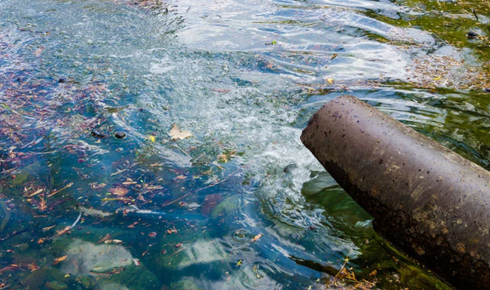
Water does not exist in isolation. What happens around a property can affect what ends up underground. Fertilizers, animal waste, septic systems, and stormwater runoff may all influence local water sources, especially in rural or agricultural areas.
Homeowners sometimes test for nitrates in water when they live near farmland, use a private well, or have concerns about runoff. Nitrates can enter groundwater from fertilizers, manure, and septic leakage. Like lead, they may not create a strong taste or smell, so testing is the reliable way to know.
This is one of those issues where location really matters. A home in the middle of town may face different concerns than a farmhouse, lake property, or rural lot with a shallow well. Water testing should match the setting, not just follow a generic checklist.
Why One Filter Doesn’t Solve Everything
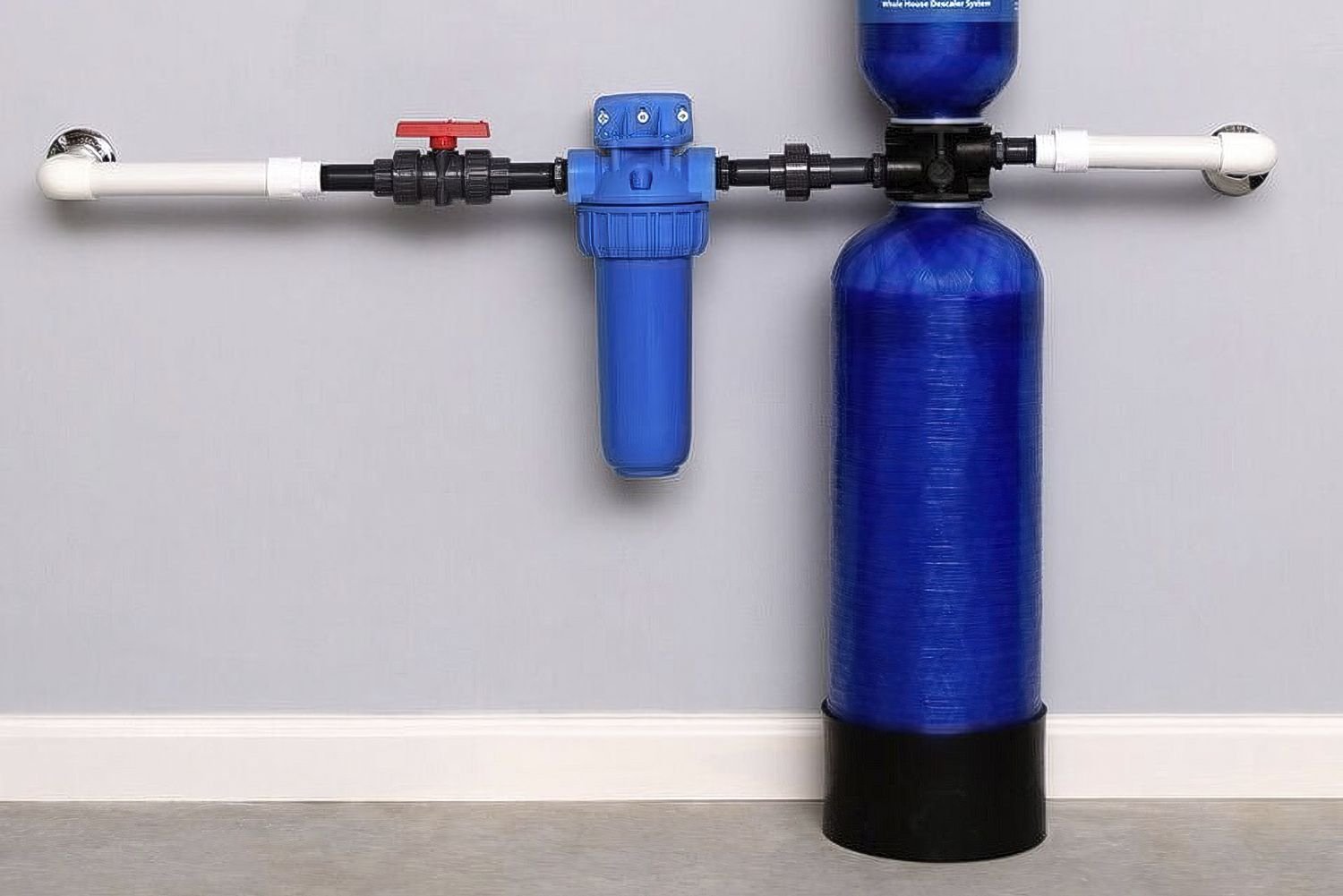
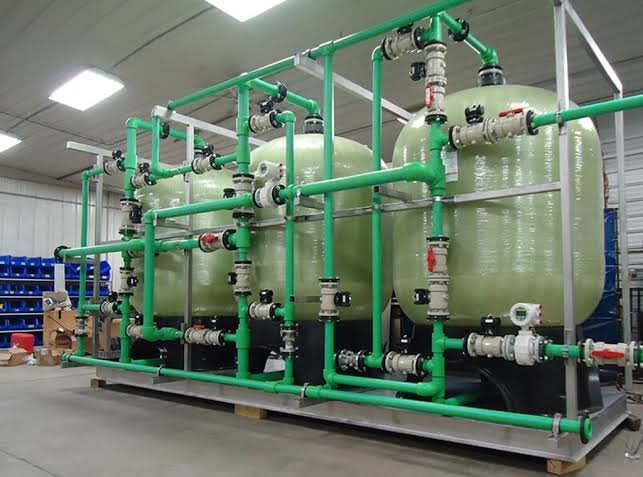
It’s tempting to buy a filter and feel done with it. The shelves are full of pitchers, faucet attachments, under-sink systems, whole-house filters, softeners, UV units, and reverse osmosis systems. Some are excellent for certain jobs. But no single product is perfect for every water problem.
A carbon filter may improve taste and reduce certain chemicals. A reverse osmosis system may help with specific drinking water concerns. A UV system may be used for microbial control. A water softener helps with hardness, but it is not designed to solve every safety issue.
That’s why test results matter. They help match the solution to the actual problem. Without testing, homeowners can spend money on equipment that improves one thing while leaving the real concern untouched.
Small Signs Still Matter
Even serious water concerns are not always obvious, but the home may still give small hints. Sudden taste changes, frequent stomach discomfort after drinking from a private well, staining, cloudy water after storms, or water that smells different from one faucet to another can all be worth investigating.
Sometimes the test comes back mostly normal, and that’s a relief. Other times, it reveals something that needs action. Either outcome is useful. Peace of mind has value too.
A Smarter Way to Think About Drinking Water
Good water should feel simple. You should be able to drink it, cook with it, and use it daily without constantly wondering what’s inside. But trust works better when it’s backed by knowledge.
Testing your water doesn’t mean you expect the worst. It means you care enough to check. Whether your home uses city water or a private well, knowing what flows from the tap helps you make better choices for your family, plumbing, appliances, and long-term comfort.
In the end, the best water solution starts with clarity. Not fear, not sales pressure, not random guesses from the internet. Just a real look at what’s in the water, followed by practical steps that actually fit your home.