Water is one of those things we trust almost automatically. We turn on the tap, fill a glass, wash vegetables, make coffee, run a bath for the kids, and carry on with the day. Most of the time, we barely think about it. But the moment water tastes strange, smells odd, stains the sink, or leaves your skin feeling dry, suddenly it becomes the only thing you can think about.
That is the funny thing about home water. It works silently in the background until it does not. And when something feels wrong, even a small concern can make the whole house feel less comfortable. Good water is not just about taste. It affects cooking, cleaning, bathing, laundry, plumbing, appliances, and, in a very real way, peace of mind.
Why Water Deserves More Attention
Many homeowners assume that if water looks clear, it must be fine. Clear water is reassuring, sure, but appearance does not always tell the full story. Some problems are obvious, like rusty stains, cloudy glasses, scale on faucets, or a strong smell from the tap. Others are harder to notice because they do not change the colour or taste much at all.
This is where water quality becomes more than a technical phrase. It is really about how safe, pleasant, and practical your water is for daily use. Water can carry minerals, sediment, chlorine, iron, sulfur compounds, bacteria, or other substances depending on the source and plumbing system. Municipal water, well water, older pipes, and household fixtures can all influence what eventually comes out of the tap.
The Everyday Signs People Often Ignore
Water problems usually leave clues, though they may be easy to brush off at first. Maybe your kettle develops white buildup faster than expected. Maybe soap does not lather properly in the shower. Maybe freshly washed clothes feel stiff, or your dishwasher leaves spots on every glass. You may blame the detergent, the appliance, or even the weather before thinking about the water itself.
Odour is another common sign. Water that smells earthy, metallic, chlorine-like, or like rotten eggs should be checked. Sometimes the source is harmless but annoying. Other times, it may point to bacterial activity, minerals, or a problem inside the water heater. Either way, it is worth understanding instead of just hoping it goes away.
Clean Water Is Not Just for Drinking
Most people focus on clean drinking water, and of course that matters. Nobody wants to worry every time they pour a glass or make a bottle for a child. But water used for bathing, brushing teeth, cooking, washing produce, and cleaning dishes matters too. If only one tap has a filter, the rest of the home may still be dealing with untreated water.
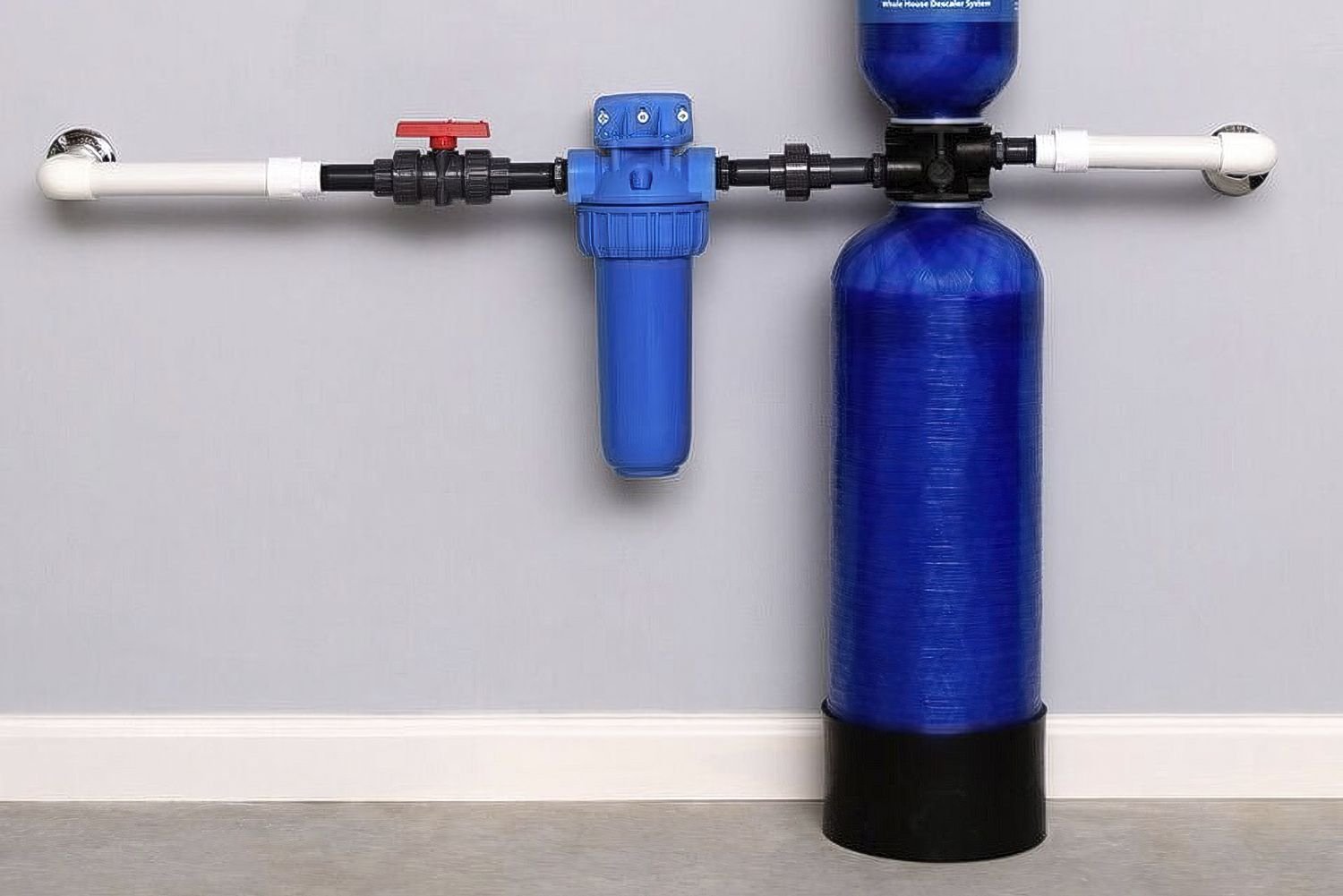
This is why many families start with a small filter and later consider a more complete solution. A pitcher filter can improve taste, but it will not help your shower, washing machine, water heater, or bathroom sinks. For some homes, point-of-use filtration is enough. For others, a whole-home system makes more sense.
What Could Be in the Water?
The answer depends on where your water comes from. City water is treated before reaching homes, but it can still pick up taste, odour, or sediment along the way. Private well water is more individual. It may be affected by underground minerals, nearby land use, seasonal rainfall, aging well components, or natural gases.
Some issues are mostly about comfort. Hard water, for example, can create scale buildup and make cleaning harder. Iron can stain sinks and laundry. Sediment can clog fixtures. Other concerns may involve harmful chemicals, especially in areas near industrial activity, agricultural runoff, landfills, or older infrastructure.
That does not mean every home has a serious problem. It simply means guessing is not the best strategy. Water can be tested, and testing gives you facts instead of worry.
Why Testing Comes Before Treatment
Buying a water system without testing is a bit like buying glasses without checking your eyesight. You might get lucky, but you may also spend money on the wrong solution. A proper test helps identify hardness, iron, manganese, pH, chlorine, bacteria, total dissolved solids, sulfur, nitrates, or other possible concerns.
Once you know what is actually present, choosing treatment becomes much easier. A water softener is helpful for hardness, but it is not designed to remove every contaminant. Carbon filtration can improve taste and reduce certain chemicals, but it may not solve mineral buildup. Reverse osmosis can be useful for drinking water, but it may not be needed for every tap in the home. The right answer depends on the actual problem.
Well Water Needs a Little Extra Care
If your home uses a private well, regular testing is especially important. Unlike public water systems, private wells are usually the homeowner’s responsibility. That means you need to stay aware of changes in taste, smell, pressure, staining, and nearby environmental conditions.
Even if the water has been fine for years, things can change. Heavy rain, drought, construction, flooding, or well repairs may affect what enters the supply. A yearly test, along with additional testing when something changes, can prevent small issues from becoming bigger headaches.
How Better Water Changes Daily Life
Improved water is not always dramatic at first. Sometimes it is the little things. Coffee tastes cleaner. The shower feels better. Soap rinses more easily. Laundry softens. Faucets stay cleaner for longer. Appliances do not fight scale as much. Guests stop asking, “Does your water always taste like that?”
There is also a quiet confidence that comes with knowing what is in your water and how it is being handled. That confidence matters. Home should not feel like a place where you second-guess every glass, every bath, or every load of laundry.
A Practical Way Forward
The best first step is simple: pay attention. Notice changes in taste, smell, staining, buildup, or how your water behaves during everyday use. Then get testing if something seems off, or if you have never tested your well water before. From there, choose treatment based on results, not sales pressure or guesswork.
Good water does not need to be complicated. It just needs to be understood. Once you know what you are dealing with, the solution becomes far less mysterious. And when the right system is in place, water goes back to being what it should be — reliable, comfortable, and easy to trust every day.