The Everyday Issue Hiding in Plain Sight
Most homeowners can spot a leaking faucet or a broken appliance pretty quickly. Those problems make themselves known. Hard water, on the other hand, tends to be much sneakier.
It doesn’t arrive with flashing warning signs or dramatic plumbing failures. Instead, it slowly works its way into everyday life. A cloudy drinking glass here. A stubborn stain there. Maybe your showerhead seems less powerful than it used to be. Little things. Easy to dismiss.
The funny part is that many people live with hard water for years without realizing it’s behind some of their most persistent household frustrations. They assume appliances are aging, cleaning products aren’t working well, or their home’s plumbing simply isn’t what it used to be.
Sometimes the answer is much simpler than that.
What Makes Water Hard in the First Place?
Water becomes hard when it collects minerals while moving through underground rock formations. Calcium and magnesium are usually the primary contributors, and they’re naturally found in many groundwater sources.
This means hard water isn’t necessarily a sign that your water is unsafe. In fact, countless households rely on hard water every day without any major health concerns.
The challenge comes from how these minerals behave once water enters a home’s plumbing system.
As water flows through pipes, appliances, and fixtures, minerals gradually begin leaving deposits behind. Those deposits may seem insignificant at first, but over time they can create noticeable effects throughout the home.
The Small Clues Most People Miss
One reason hard water often goes unnoticed is because the symptoms develop slowly.
You may notice that your dishes never seem completely spotless. Towels feel slightly rough after washing. Soap doesn’t lather quite the way you expect. The bathroom requires more cleaning than it should.
None of these issues seem connected at first glance.
Life gets busy, and people adapt. They buy stronger cleaning products, spend a little more time scrubbing, and move on. Eventually those small inconveniences become part of the routine.
But they don’t have to be.
Understanding what’s causing these issues is often the first step toward solving them.
Why Appliances Struggle More Than They Should
Many homeowners are surprised to learn how much hard water can affect household equipment.
Water heaters, dishwashers, coffee makers, washing machines, and even refrigerators with water dispensers interact with mineral-rich water every single day.
Over time, mineral buildup begins collecting inside these systems. Layer by layer, deposits accumulate on surfaces that were designed to transfer heat, move water, or perform specific functions efficiently.
The result isn’t always immediate. Instead, efficiency gradually declines.
A water heater may consume more energy. A dishwasher may require longer cycles. Appliances often work harder than necessary simply because minerals are quietly reducing their effectiveness.
The Impact on Cleaning and Laundry
Hard water also changes how soaps and detergents behave.
When minerals interact with cleaning products, they can reduce their effectiveness. Soap may leave behind residue rather than rinsing away completely. Laundry may not feel as soft as expected. Glassware can develop a dull appearance even after a full dishwasher cycle.
It’s frustrating because homeowners often assume the issue lies with the products they’re using.
In reality, the water itself may be making cleaning tasks more difficult.
This is one reason people who move from hard-water regions to areas with softer water often notice the difference almost immediately. Suddenly, soap works better, dishes look cleaner, and laundry feels fresher.
Plumbing Takes a Bigger Hit Than You Might Expect
Most homeowners pay attention to visible household surfaces, but some of the most significant effects of hard water happen where nobody can see them.
Inside pipes, minerals slowly accumulate over time. Water passages become narrower. Flow rates may decrease. Pressure can be affected in certain situations.
Meanwhile, plumbing fixtures such as faucets and showerheads often begin showing visible signs of mineral deposits. White crusty residue around nozzles and handles becomes increasingly common.
These deposits aren’t just cosmetic. They can interfere with proper operation and eventually contribute to maintenance issues.
The process happens gradually enough that many homeowners don’t recognize the changes until they become difficult to ignore.
Why Some Homes Experience More Problems Than Others
Not all hard water is created equal.
The severity of hard water varies significantly depending on location, geology, and local water sources. Some households experience only minor inconveniences, while others deal with persistent cleaning challenges and accelerated appliance wear.
Even neighboring communities can have dramatically different water characteristics.
This variability explains why one homeowner may never think twice about hard water while another invests heavily in treatment systems and maintenance.
The only reliable way to know what’s happening in your own home is through proper water testing.
Are Water Treatment Systems Worth It?
For households experiencing ongoing hard water issues, treatment solutions often become part of the conversation.
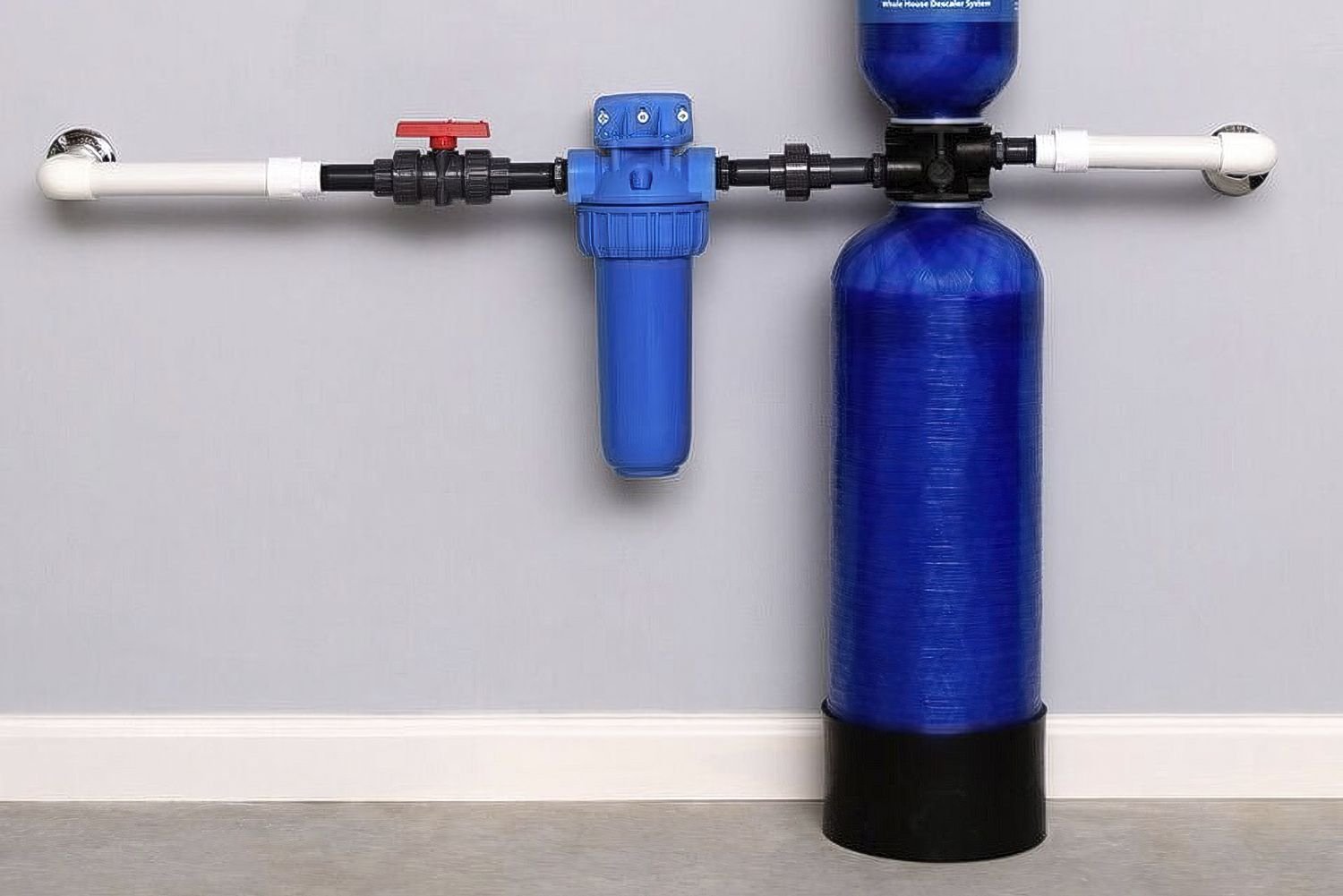
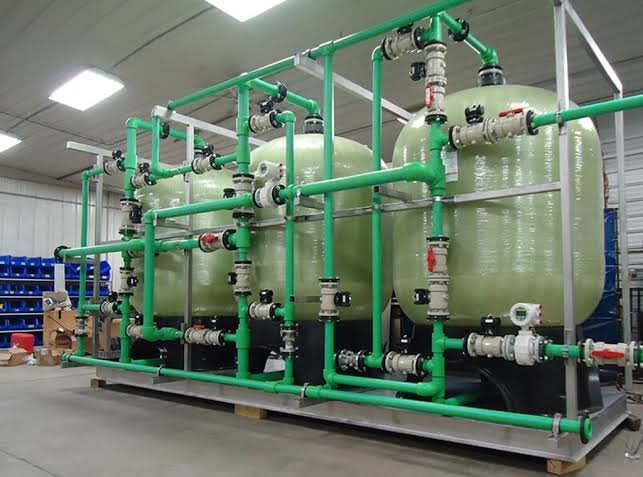
Among the most common options are water softeners, which are specifically designed to reduce the minerals responsible for hardness.
These systems work by altering the mineral content before the water reaches household plumbing and appliances. As a result, homeowners often notice cleaner dishes, easier maintenance, improved appliance efficiency, and less residue throughout the home.
Of course, not every household requires the same approach.
The decision depends on water hardness levels, household usage patterns, budget considerations, and personal preferences. That’s why testing remains such an important first step.
The Long-Term Financial Side of the Equation
One aspect of hard water that doesn’t receive enough attention is cost.
The expenses rarely appear all at once. Instead, they show up gradually through increased energy consumption, appliance maintenance, plumbing repairs, and cleaning product usage.
Individually, these costs may seem minor. Collectively, they can become surprisingly significant over the years.
This is why many homeowners view water treatment not simply as a convenience, but as a long-term investment in protecting their home’s infrastructure.
It’s often easier to prevent damage than repair it later.
A Little Awareness Goes a Long Way
Hard water isn’t the most exciting topic in homeownership, but it touches more aspects of daily life than many people realize.
From cleaning routines and appliance performance to plumbing maintenance and energy efficiency, the effects extend well beyond a few water spots on glassware.
The encouraging news is that solutions exist, and many of them are highly effective when matched to the specific needs of a household.
Final Thoughts
Hard water tends to operate quietly in the background. It doesn’t demand attention right away, which is exactly why it often goes unnoticed for so long.
Yet its influence can be found throughout a home—in appliances, pipes, cleaning routines, and maintenance costs. Understanding these effects empowers homeowners to make informed decisions rather than simply accepting ongoing frustrations as normal.
At the end of the day, water should help a home function smoothly. When it’s working for you rather than against you, everything from laundry day to morning showers becomes just a little easier. And honestly, that’s something worth appreciating.