Water Is Everywhere, Yet We Rarely Think About It
It’s funny how some of the most important things in life become almost invisible. Water is probably one of the best examples. We use it from the moment we wake up until we go to bed, but most days we hardly notice it.
The morning shower. The coffee brewing in the kitchen. The glass of water beside the bed. The dishwasher running after dinner. Water quietly moves through every part of our daily routine without asking for attention.
Then something changes.
Maybe the water tastes different. Maybe dishes come out spotted. Perhaps your skin feels dry after showering, or you notice buildup forming around faucets. Suddenly, something that felt ordinary becomes impossible to ignore.
Those small observations often lead homeowners to ask an important question: Is my water really performing the way it should?
Understanding the Journey Behind Every Drop
Before water reaches your home, it often travels a surprisingly long distance. Depending on where you live, it may begin its journey in a river, reservoir, lake, or underground aquifer.
From there, it passes through treatment facilities, storage tanks, pumps, and miles of pipelines before arriving at your faucet. Along the way, countless factors influence its characteristics.
Natural minerals, environmental conditions, aging infrastructure, and local geology all leave their mark. That’s why water quality can vary significantly from one region to another—and sometimes even between neighboring communities.
This variation is perfectly normal, but it also explains why water-related experiences differ from household to household.
The Hidden Impact of Water on Everyday Life
Many people think of water quality only in terms of drinking. That’s certainly important, but water affects much more than what goes into a glass.
It influences how well soap lathers, how efficiently appliances operate, how clean dishes appear, and even how fabrics feel after washing. Water interacts with plumbing systems, water heaters, washing machines, and countless fixtures throughout the home.
The effects aren’t always dramatic. In fact, they’re often subtle. But over months and years, those small differences can shape the overall comfort and efficiency of a household.
That’s why understanding water isn’t just about safety. It’s also about convenience, maintenance, and long-term performance.
When Small Problems Become Daily Frustrations
Most water-related concerns begin quietly.
A little residue on shower doors. Mineral deposits around faucets. An unusual taste that seems difficult to describe. These issues rarely arrive overnight.
Instead, they build gradually. Homeowners adapt, work around them, and often forget they weren’t always there. It’s human nature. We get used to things.
But eventually those inconveniences become difficult to ignore. That’s usually the moment people begin exploring ways to improve their water and reduce ongoing frustrations.
Fortunately, modern technology provides more options than ever before.
Finding the Right Approach
One common mistake homeowners make is assuming that every water issue requires the same solution.
The reality is much different. Water conditions vary widely based on location, source, and household needs. What works perfectly for one home may be unnecessary—or ineffective—for another.
This is why professional evaluations and water testing have become increasingly valuable. Rather than relying on guesswork, homeowners can gather real information about their water and make informed decisions.
The goal isn’t to install equipment for the sake of installing equipment. The goal is understanding what your water needs.
The Role of Modern Water Improvement Technology
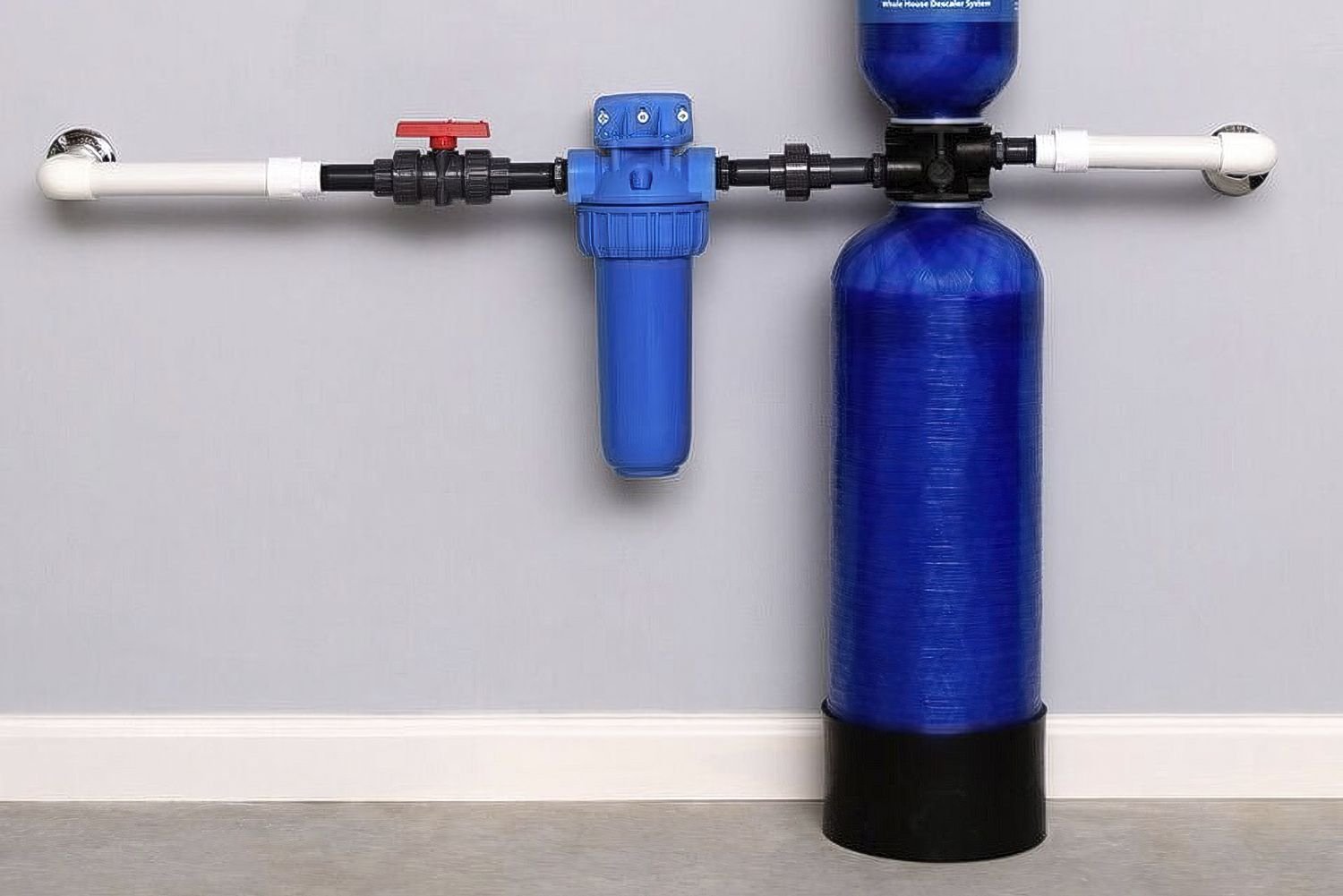
Today’s water treatment systems are far more advanced than many people realize. Modern technologies can address a wide range of concerns, including mineral content, taste issues, odors, sediment, and other water characteristics.
What’s particularly impressive is how adaptable these systems have become. Many solutions are designed to target specific conditions without affecting aspects of the water that are already performing well.
This targeted approach helps homeowners achieve meaningful improvements while avoiding unnecessary complexity. It’s a practical shift away from one-size-fits-all thinking.
Why Personalization Matters
Every home has unique needs. A large family may use water very differently than a retired couple. A rural property with well water faces different challenges than a home connected to a municipal supply.
That’s why many homeowners are turning toward customized solutions rather than generic products.
A personalized approach takes actual water conditions, usage habits, and long-term goals into account. Instead of treating every household the same, it focuses on solving specific problems and delivering measurable results.
In many cases, personalization leads to greater efficiency, lower maintenance costs, and a more satisfying overall experience.
Better Water Creates Small Daily Wins
The phrase better water might sound simple, but its impact reaches surprisingly far.
When water tastes fresher, people tend to drink more of it. When appliances operate more efficiently, maintenance costs often decrease. When dishes come out cleaner and plumbing fixtures stay free of buildup, routine chores become a little easier.
These improvements aren’t life-changing on their own. That’s not really the point.
What makes them meaningful is their consistency. Water touches so many parts of daily life that even modest improvements can create noticeable benefits over time.
It’s the accumulation of those small wins that often makes the biggest difference.
Peace of Mind Is Part of the Equation
There’s also a psychological benefit that doesn’t get discussed enough.
Knowing your water has been evaluated, understood, and optimized provides a certain level of confidence. It removes uncertainty. Instead of wondering whether an issue exists, homeowners have actual information to guide their decisions.
That peace of mind extends beyond drinking water. It applies to appliances, plumbing systems, household maintenance, and overall comfort.
Sometimes confidence itself becomes one of the most valuable outcomes.
Looking Ahead
Water is one of those essentials that quietly supports nearly every aspect of modern life. Because it’s always there, it’s easy to overlook its importance until something feels off.
Yet taking the time to understand and improve your water can lead to meaningful long-term benefits. Cleaner fixtures, improved appliance performance, enhanced comfort, and greater confidence all contribute to a better living environment.
At the end of the day, improving water isn’t about chasing perfection. It’s about creating a home that functions a little more smoothly and comfortably each day.
And considering how often we rely on water, that may be one of the smartest investments a homeowner can make.