Most of us turn on the tap without thinking too much about it. Water fills the kettle, rinses the vegetables, runs through the shower, and sits in a glass beside the bed at night. It feels ordinary. Almost too ordinary to question. But water quality is one of those home issues that can stay invisible for a long time, right up until testing shows something you didn’t expect.
The tricky thing is, not every water problem announces itself with a bad smell or strange color. Some contaminants can be present even when water looks clear and tastes fine. That’s why homeowners, especially those using well water or living in older homes, are paying closer attention to what may be coming through their pipes.
Clear Water Isn’t Always Clean Water
It’s easy to trust water when it looks normal. Cloudiness, staining, or a rotten-egg smell can obviously raise concern, but many serious water concerns don’t work that way. They may not change the taste. They may not leave marks in the sink. They simply exist quietly in the supply.
Testing is the first real step. Not guessing. Not buying a random filter because the packaging looks impressive. Real testing gives a clearer picture of what’s actually present, and that makes it easier to choose the right solution instead of wasting money on the wrong one.
Understanding Modern Contaminant Concerns
In recent years, more people have started asking about PFAS, Lead, & Cyst reduction because these concerns are showing up in conversations about both municipal and private water sources. PFAS are often called “forever chemicals” because they can persist in the environment. Lead can be especially concerning in older plumbing systems. Cysts, meanwhile, are microscopic organisms that may enter water through certain contamination pathways.
That sounds unsettling, and honestly, it can be. But the point isn’t to panic. The point is to know what you’re dealing with. Once water is properly tested, homeowners can look at filtration technologies designed for those specific concerns.
The Problem With One-Size-Fits-All Filters
A basic pitcher filter might improve taste, and that’s fine for what it is. But it may not be enough for more serious water quality issues. Different contaminants require different treatment methods. Some are reduced with carbon filtration. Others may need reverse osmosis, specialty media, UV treatment, or a combination of systems.
This is where professional guidance helps. A good water specialist doesn’t just sell equipment. They match the system to the water. That difference matters more than people realize, because installing the wrong setup can create a false sense of security.
Why Arsenic Needs Serious Attention
Naturally occurring minerals can also affect water, especially in certain groundwater areas. One example is arsenic, which may enter private wells through surrounding rock and soil. Because it usually has no obvious taste, smell, or color, homeowners may not realize it’s there unless they test for it directly.
For families using well water, routine testing is not something to put off forever. Wells are private systems, which means the homeowner is usually responsible for monitoring quality. Even if the water has seemed fine for years, conditions can change. Nearby land use, drought, flooding, and shifts underground may all influence water quality over time.
Older Homes and Plumbing Risks
Homes with older pipes, fixtures, or service lines can face different water concerns than newer homes. Lead is one of the better-known examples, but plumbing can also affect taste, staining, and sediment levels. Sometimes the issue is not the source water itself, but what happens as water travels through the home.
A thorough inspection and water test can help identify whether the problem is coming from the supply, the plumbing, or both. That’s useful because the solution may involve filtration, pipe replacement, point-of-use treatment, or maintenance changes.
Chromium 6 and Why Testing Matters
Another contaminant people sometimes ask about is chromium 6, also known as hexavalent chromium. It may come from natural sources or industrial activity, depending on the area. Like many water quality concerns, it can be difficult to detect without proper lab testing.
This is why broad water testing is valuable. It gives a more complete view instead of focusing only on taste and hardness. When the results are clear, the treatment plan becomes more practical and less confusing.
Building a Smarter Water Plan
The best water treatment approach usually starts with three simple steps: test, understand, treat. First, find out what’s in the water. Then, review the results with someone who can explain them in plain language. Finally, choose a system that targets the actual problem.
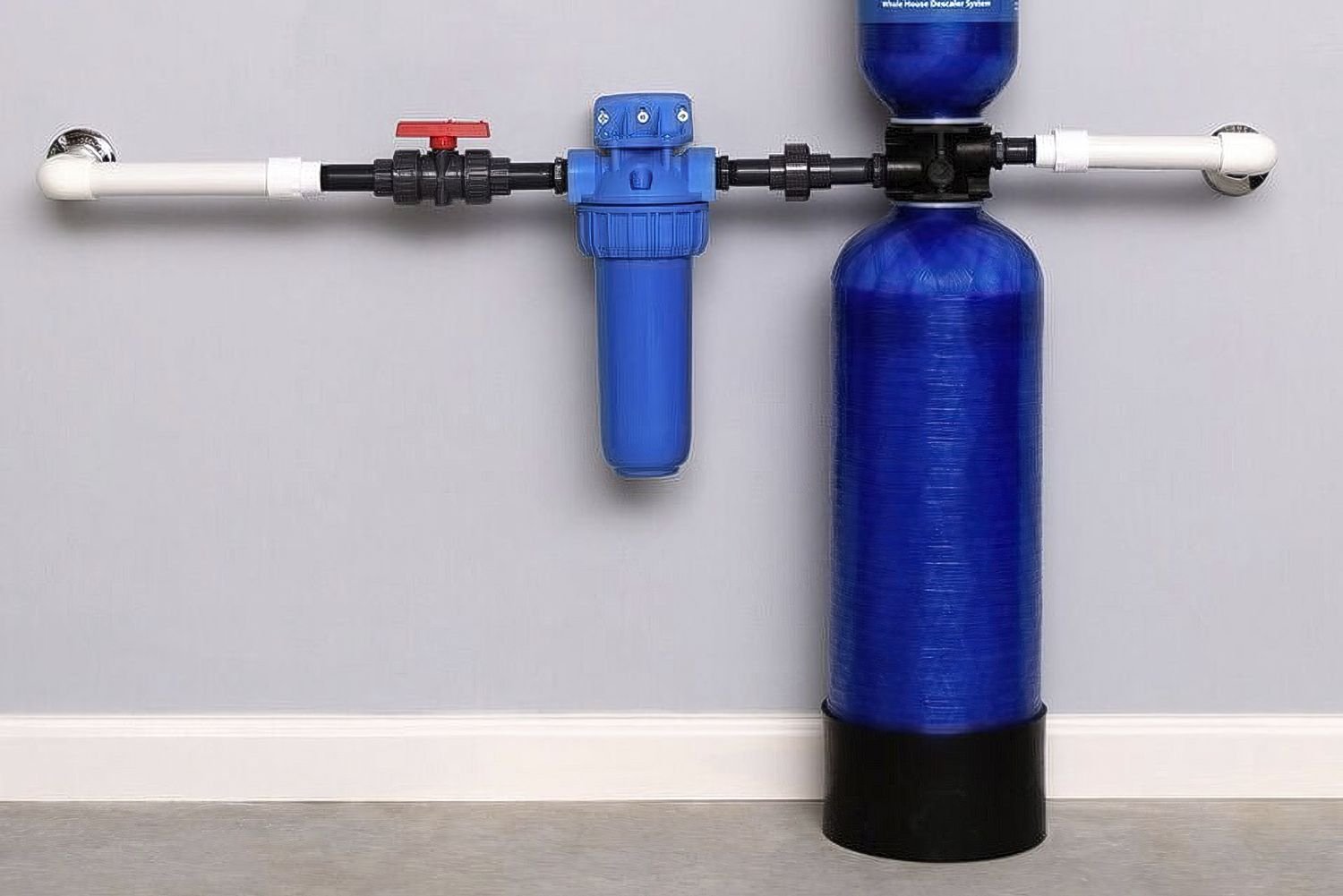
That may mean a whole-home filtration system, a reverse osmosis unit under the sink, a softener, UV protection, or layered treatment. There isn’t one perfect answer for every house, and that’s exactly why testing comes first.
Peace of Mind Starts at the Tap
Better water is not just about taste. It’s about confidence. It’s knowing the water used for cooking, drinking, coffee, baby bottles, pets, and everyday routines has been looked at properly. Not assumed. Not guessed. Checked.
Homeowners don’t need to become water chemistry experts. They just need to take the issue seriously enough to test and choose the right help. Because once you understand your water, the whole thing feels a little less mysterious — and a lot more manageable.