Water treatment can seem deceptively simple. You notice a strange taste, mineral spots on the faucet, or buildup around the showerhead, so naturally, you start looking at filters and softeners. The problem is that not every water issue has the same cause, and buying a system before understanding the water can lead to wasted money and disappointing results.
A better approach starts with information. When homeowners and businesses understand what is actually in their water, they can make more practical decisions about treatment. Testing, system selection, and proper installation all have a role to play, and none should really be treated as an afterthought.
Why Water Testing Should Come First
Water can contain substances that aren’t visible to the naked eye. Calcium and magnesium may contribute to hardness, iron can cause staining, and sediment can affect fixtures and appliances. Depending on the water source, there may be other characteristics worth investigating as well.
That’s why comprehensive water testing can be such a valuable first step. Instead of guessing which treatment technology might work, testing provides a clearer picture of the water’s characteristics.
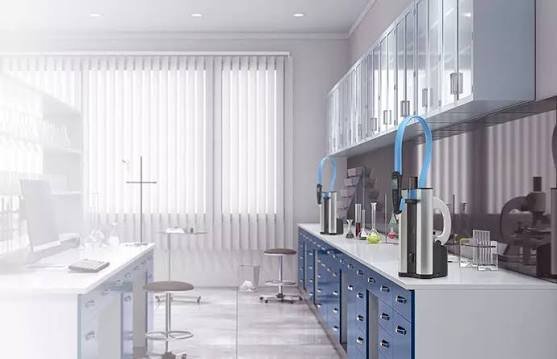
A useful water analysis may examine factors such as hardness, pH, iron, chlorine, total dissolved solids, and other relevant indicators. The exact testing requirements depend on the property and its water source.
For private wells, testing can be especially important because the water chemistry may differ significantly from treated municipal supplies. Regular testing can also help identify changes over time.
Every Property Has Different Water Needs
There is no universal water treatment system that works perfectly for every home. A small apartment, a large family home, a restaurant, and a manufacturing facility all have very different water requirements.
Even two houses on the same street can have different problems because of variations in plumbing, water sources, usage, or existing treatment equipment.
This is why simply copying a neighbor’s setup isn’t always the smartest move.
A household may need a softener to address hardness, while another may primarily need filtration for sediment or taste. Some properties may require multiple stages of treatment, while others may need very little.
The goal should be to solve the actual problem—not to install as much equipment as possible.
What Tailored System Design Really Means
Once water testing provides useful information, the next step is selecting equipment that fits the situation. This is where tailored system design becomes important.
A properly designed system considers more than just water chemistry. It should account for household size, daily water consumption, peak flow requirements, available installation space, maintenance expectations, and the types of fixtures or appliances connected to the plumbing.
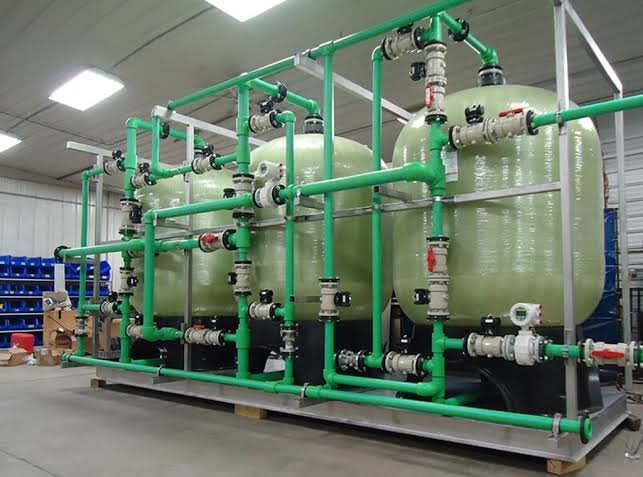
For commercial properties, peak demand can be particularly important. A restaurant may use a large amount of water during a short period, while a hotel has multiple bathrooms and laundry facilities operating throughout the day.
An undersized system may struggle to keep up. An oversized system can cost more than necessary. Finding the middle ground is where thoughtful design really pays off.
Different Technologies Solve Different Problems
Water treatment equipment isn’t interchangeable. Each technology has a particular purpose.
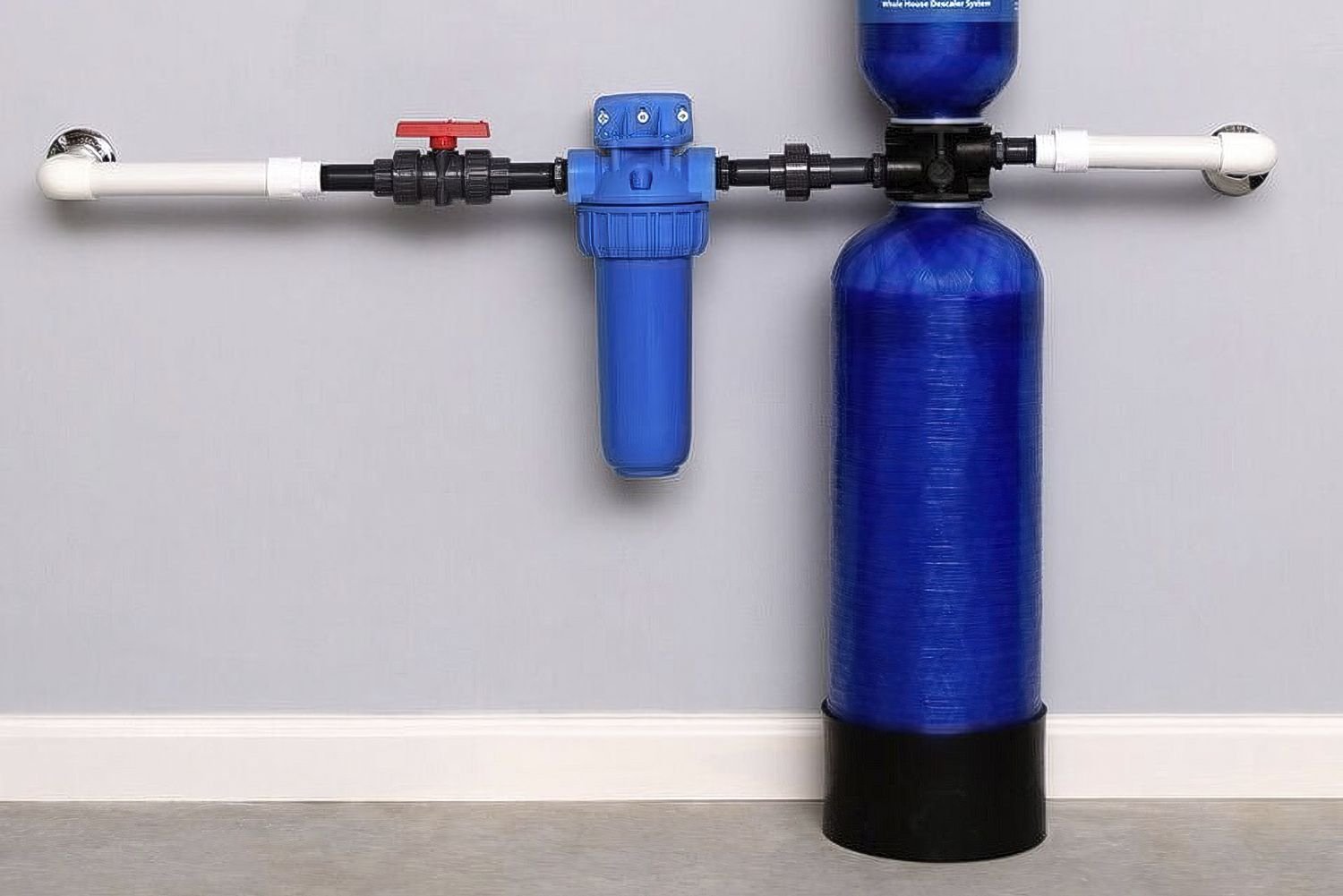
Water softeners are generally used to reduce hardness minerals such as calcium and magnesium. Sediment filters can help remove suspended particles. Activated carbon filtration is commonly used to improve taste and reduce certain substances, while reverse osmosis can provide more extensive filtration for drinking water.
There are also specialized systems for specific water conditions, including iron or sulfur problems.
This variety is useful, but it can also make shopping confusing. Product descriptions often sound impressive, yet the important question is always the same: does the technology address the issue found in your water?
Testing helps answer that question.
Installation Is More Important Than It Looks
Choosing good equipment is only half the job. How that equipment is installed can have a major effect on how well it performs.
Incorrect connections, inadequate drainage, poor placement, or improper sizing can create problems that aren’t immediately obvious. In some cases, a poorly installed system may technically function while delivering less-than-ideal performance.
That’s why professional installation can be a worthwhile investment. An experienced installer can assess the plumbing layout, position equipment appropriately, verify connections, and make sure the system operates as intended.
This is particularly important for whole-house and commercial treatment systems, where installation may involve multiple components and more complicated plumbing arrangements.
Don’t Forget About Maintenance
A water treatment system isn’t something you install and completely forget about.
Filters eventually become saturated. Softening systems require routine attention. Valves and connections should be inspected, and equipment may need periodic servicing.
Maintenance requirements vary widely between systems, so ask about them before making a purchase. Find out how often filters need replacement, what consumables are required, and whether professional servicing is recommended.
It’s also helpful to understand the ongoing cost. A system with a low purchase price may become expensive if replacement cartridges are costly or need frequent changing.
Looking at the full life-cycle cost provides a much clearer picture.
Watch for Changes in Your Water
Even after installing a treatment system, pay attention to changes in water quality.
If water suddenly develops an unusual taste or odor, staining returns, or mineral deposits begin appearing again, don’t simply assume the equipment has reached the end of its life. A filter may need replacement, a softener may require service, or the underlying water conditions may have changed.
Keeping basic records of testing and maintenance can make these situations easier to diagnose.
For businesses, this kind of monitoring is even more useful because water quality can affect equipment, cleaning, production, and customer experience.
Good Water Treatment Is About Fit, Not Hype
The best treatment system isn’t necessarily the newest, biggest, or most expensive model. It’s the one that fits the water and the property.
Start with testing. Understand the results. Design a system around actual requirements, then have it installed correctly and maintained regularly.
That process may sound less exciting than buying a high-tech gadget from a product page, but it’s much more likely to deliver reliable results.
A Practical Investment in Better Water
Water is something we use constantly, so its quality deserves more attention than it usually gets. A well-designed treatment system can help address specific water problems, protect plumbing and appliances, and make everyday water use more comfortable.
But the real value comes from doing things in the right order.
Test first. Design thoughtfully. Install properly. Maintain consistently.
When those pieces come together, water treatment becomes less about trial and error and more about making a sensible, informed investment in the property you depend on every day.