Water has a way of seeming simple until you start asking questions. It comes out of the tap, fills the glass, rinses the dishes, runs through the shower, and quietly does its job. Most people don’t think much beyond that. But when water starts tasting strange, leaving spots, staining fixtures, or making appliances work harder, suddenly that ordinary tap becomes a bit of a mystery.
The problem is, water issues can look similar from the outside. Cloudy water may be caused by air, sediment, minerals, or something else. A metallic taste might point to iron, old pipes, or dissolved metals. Scale around faucets may suggest hardness, but you still need to know how severe it is. Guessing can lead to wasted money and the wrong equipment.
That is why a careful testing process matters. It turns vague worries into useful answers.
Why Guessing About Water Rarely Works
A lot of homeowners try to solve water problems by buying the first filter they see. It feels practical. The water tastes bad, so a filter must be the answer, right? Sometimes it helps. Other times, it barely changes anything because the real problem was never identified.
Water quality depends on source, plumbing, treatment methods, soil conditions, and even seasonal changes. A home on municipal water may deal with chlorine taste or mineral buildup. A property using well water may face iron, sediment, sulphur smell, bacteria concerns, or changing hardness levels.
Without proper testing, you may only treat the symptom. The water might taste slightly better, but scale remains. Or stains continue. Or the filter clogs faster than expected. A proper water quality report gives homeowners a clearer picture of what is actually present and what needs attention first.
What a Good Water Report Should Tell You
A useful report should be more than a list of numbers. It should explain what those numbers mean in everyday language. Hardness, pH, total dissolved solids, iron, manganese, chlorine, nitrates, bacteria indicators, and sediment can all affect water differently.
For example, high hardness may explain scale on fixtures and poor soap lather. Iron may explain orange staining and metallic taste. Low or high pH may suggest water that is corrosive or prone to deposits. Chlorine may be expected in city water, but some households still want to reduce the taste and odour.
The best reports help connect the test results to real-life problems. That is what makes the information useful, not just technical.
When Lab Testing Becomes Important
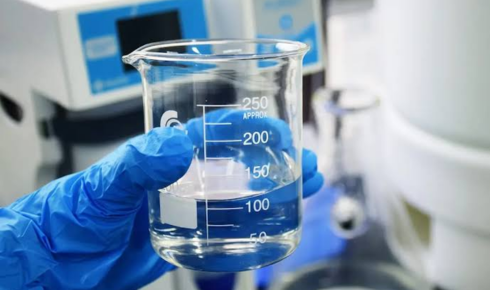
Basic on-site checks can be helpful for common issues, but some concerns need deeper confirmation. If there are questions about bacteria, nitrates, heavy metals, or specific contaminants, laboratory testing is often the more reliable route.
This is especially important for private wells. Unlike municipal water, well water is usually the homeowner’s responsibility. It can change after heavy rain, drought, flooding, nearby construction, or changes in groundwater. A well that tested fine years ago may not be the same today.
Lab results can provide peace of mind, but they can also reveal issues that should not be ignored. And while not every result means danger, it does help guide smart decisions.
Common Problems Testing Can Reveal
Water testing may show hardness, iron, manganese, chlorine, sediment, sulphur odour, acidic water, high dissolved solids, or other concerns. Some are mostly comfort problems. Others can affect plumbing, appliances, taste, smell, or health.
Hard water can create scale inside water heaters and dishwashers. Iron can stain sinks, tubs, and laundry. Sediment can clog fixtures and reduce flow. Chlorine can make drinking water taste sharp. Acidic water may slowly damage metal plumbing. Bacteria concerns require prompt attention and proper treatment.
Each issue needs a different response. That is why a one-size-fits-all water system rarely works well.
Turning Test Results Into the Right Plan
Once the water has been tested, the next step is choosing treatment that actually fits the results. This is where thoughtful system recommendations become valuable. Instead of pushing the same product for every home, a proper recommendation should match the water problem, household size, plumbing setup, and daily usage.
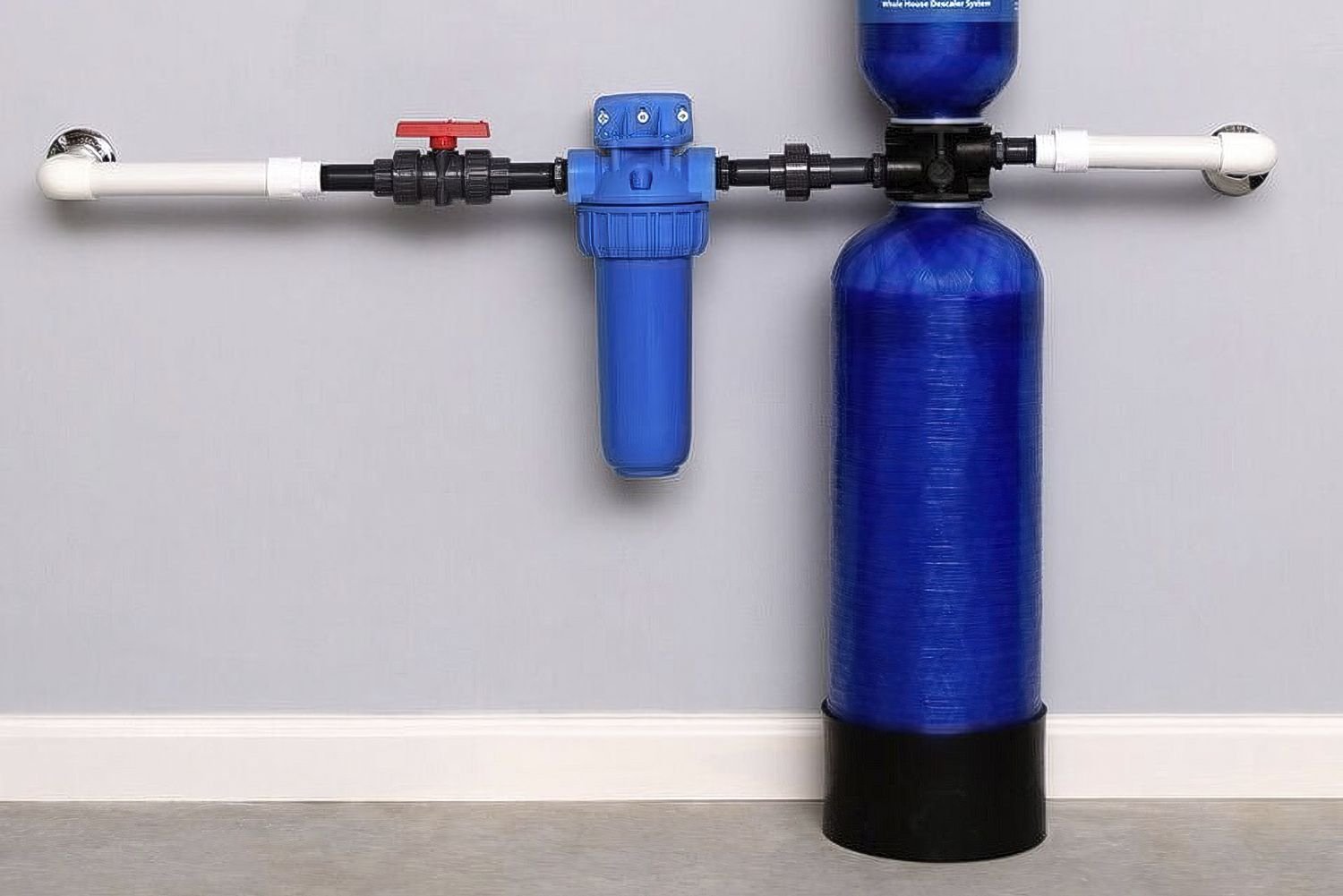
A home with hard water may need a softener. A house with chlorine taste may benefit from carbon filtration. Well water with iron may need a dedicated iron treatment system. Drinking water concerns may call for reverse osmosis or another point-of-use system. Some homes need a combination, but others need something much simpler.
The goal is not to install the most complicated setup. The goal is to install the right one.
Why Local Conditions Matter
Water is local. That sounds obvious, but it is easy to forget. The water in one town may be completely different from the water twenty miles away. Even two homes in the same area can have different results if one uses a private well and the other uses municipal supply.
Older homes may also have plumbing that affects taste or clarity. Rural properties may face seasonal changes. Newer developments may have different pressure and piping conditions. A good water professional looks at all of this before recommending equipment.
That local understanding can prevent mistakes. It helps avoid over-treating minor issues or under-treating serious ones.
Better Information Saves Money Over Time
Testing may feel like an extra step, but it often saves money. Buying the wrong filter, softener, or whole-house system can be frustrating and expensive. Worse, it may create a false sense of security while the original problem continues.
Clear results help you make better choices from the beginning. They also help you plan maintenance properly. If your water has high sediment, you may need more frequent filter changes. If hardness is severe, your softener must be sized correctly. If drinking water needs extra treatment, you can focus on the kitchen tap instead of treating the entire house unnecessarily.
Good information keeps the solution practical.
A Smarter Way to Improve Your Water
Water treatment should not begin with panic, pressure, or guesswork. It should begin with knowing what is in your water and understanding how it affects your home.
A clear report, proper testing, and honest recommendations can make the whole process easier. You know what the problems are. You understand the options. You can choose a system that fits your actual needs, not a sales script.
In the end, better water is about everyday comfort and confidence. It is the glass that tastes fresh, the shower that feels better, the appliances that last longer, and the peace of mind that comes from knowing your home’s water has been properly checked.
That first test may seem small, but it can change the way your whole home feels.