Well water has a way of feeling simple and dependable, at least when everything is working properly. You turn on the tap, fill a glass, rinse vegetables, start the washing machine, and get on with the day. No monthly water bill from a city supplier, no waiting on municipal updates, no big fuss. Just your own water source doing its job.
But private well water can also be a bit unpredictable. It changes with the land, the seasons, the depth of the well, the condition of the plumbing, and sometimes even the weather. After heavy rain, the water may look slightly cloudy. During dry months, mineral levels can shift. A well that produced clean-tasting water for years may suddenly begin leaving stains, smells, or grit behind.
That is why well water care should never be based on guesswork. The water may look fine, but hidden minerals, gases, and particles can still affect taste, smell, fixtures, appliances, and daily comfort.
When Rust-Coloured Stains Start Showing Up
One of the most common complaints from well owners is staining. Orange marks around sinks, toilets, bathtubs, and laundry are not only irritating, they can make a clean home look uncared for. Nobody wants to scrub a bathroom on Saturday morning only to see those rusty marks creep back by Tuesday.
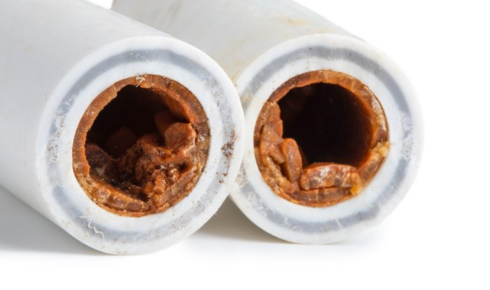
Iron is often the reason behind these stains. Sometimes it appears as clear water when it first comes from the tap and then darkens after exposure to air. Other times, the water already has a yellow, red, or brown tint. It can also leave a metallic taste, clog fixtures, and stain clothing.
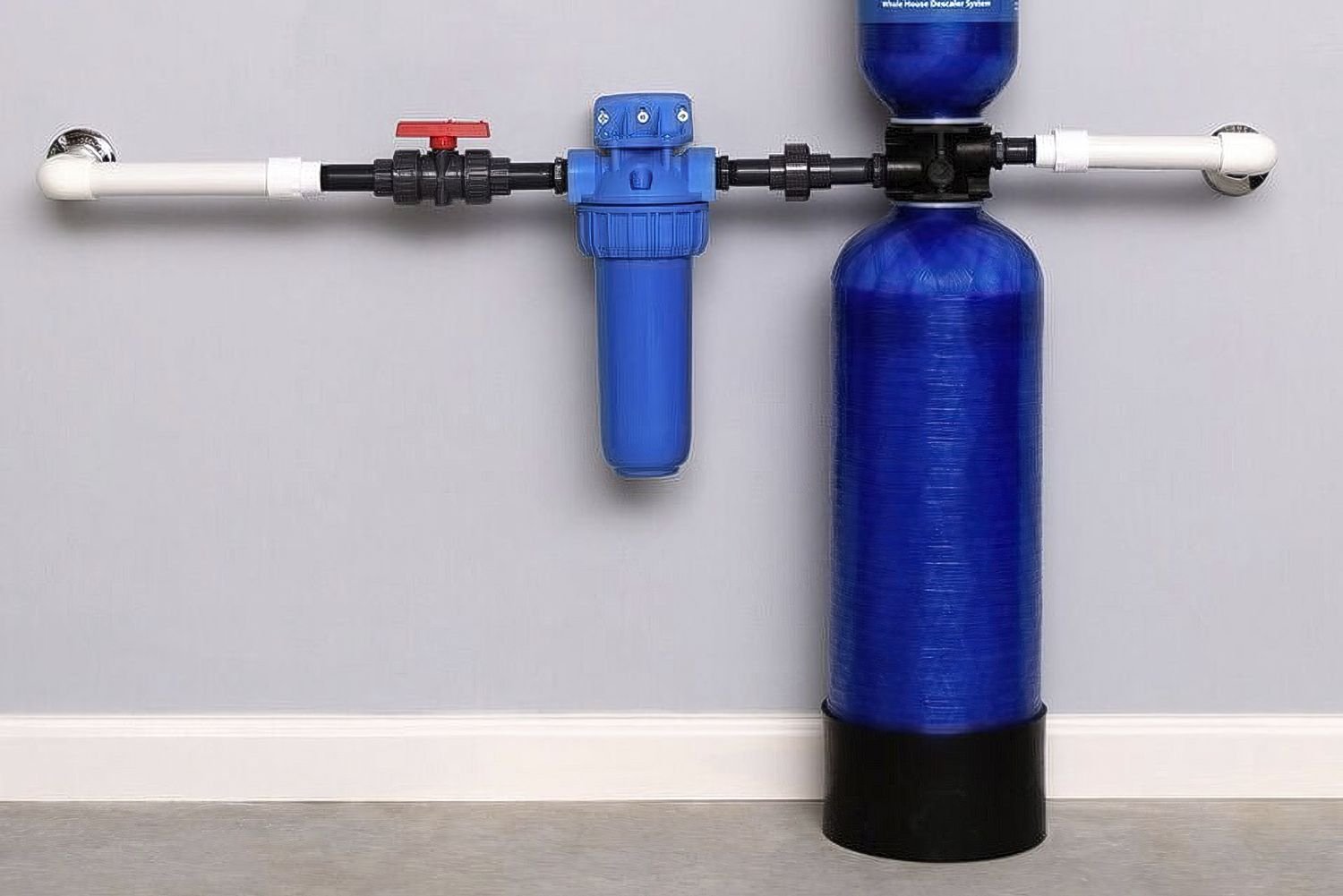
Good iron filters are designed to reduce iron before it travels through the home, helping protect plumbing, fixtures, laundry, and appliances. The right type of filter depends on the amount and form of iron in the water, which is why testing is such an important first step.
The Smell That Nobody Wants in Their Water
If water smells like rotten eggs, people notice quickly. It is one of those problems that can make guests wrinkle their nose, kids refuse tap water, and homeowners start buying bottled water just to avoid the smell. The issue is often linked to hydrogen sulfide gas or certain bacteria in the water system.
The smell may be stronger from hot water, or it may appear at every faucet. Sometimes it comes and goes, which makes it even more frustrating. You might think the problem has disappeared, then it returns the next morning during a shower.
Proper sulfur filters can help address unpleasant odours by treating the source of the smell before the water reaches taps and fixtures. Depending on the cause, the solution may involve oxidation, filtration, aeration, or a combination of treatment methods.
Tiny Particles Can Create Bigger Problems
Not every water issue has a smell or stain. Some problems are much quieter. Sand, silt, clay, rust flakes, and other small particles can enter the water supply and slowly build up inside filters, faucet screens, appliances, valves, and pipes.
At first, it may look like a little grit in the bottom of a glass or cloudy water after a storm. Over time, though, particles can reduce water flow, damage equipment, and make the whole system work harder than it should. Showerheads clog. Washing machines strain. Water heaters collect debris. Even small amounts can become annoying if they keep coming through.
Effective sediment removal helps catch these particles before they move through the plumbing system. For many homes, it is the first layer of protection and an important part of keeping water cleaner, clearer, and easier on household equipment.
Why Testing Comes Before Treatment
A lot of homeowners want a quick fix, and that is understandable. When the water smells bad or stains everything it touches, patience runs thin. But installing the wrong system can waste money and still leave the real problem unsolved.
Water issues can overlap. Iron and sulfur may show up together. Sediment may hide behind another concern. Hardness can exist alongside staining or odours. A filter that works beautifully for one problem may do very little for another.
A proper water test gives the full picture. It helps identify what is present, how much is present, and what kind of treatment will actually work. Without that information, even expensive equipment can become a guessing game.
The Best System Fits the Home
Every well is different. That is not just a sales phrase; it is true. A shallow well near sandy soil may have different concerns than a deeper well in a mineral-rich area. A home with two people will have different water usage than a large family. Older plumbing can also add its own complications.
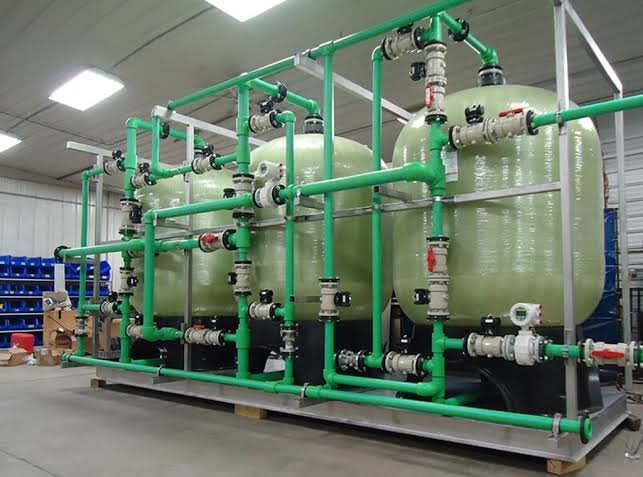
The right system should match the water, the household, and the long-term maintenance needs. Sometimes a single filter is enough. Other times, the best setup includes multiple stages, such as particle filtration, iron treatment, odour control, softening, and drinking water filtration.
A good installer should explain the system clearly. Homeowners should understand what each part does, how often it needs service, and what signs may mean attention is needed later.
Better Water Makes the Whole House Feel Better
When well water is properly treated, daily life becomes easier in quiet ways. The bathroom stays cleaner. Laundry looks brighter. Water tastes fresher. The shower does not carry an unpleasant smell. Appliances deal with less buildup. Faucets and fixtures need less scrubbing.
It may not feel like a dramatic renovation, but it is one of those upgrades that improves the way a home works every single day. Clean water supports comfort, cleanliness, appliance care, and peace of mind.
Well water can be a wonderful resource, but it deserves attention. Test it, understand it, and treat the real problems instead of chasing symptoms. Once the right solution is in place, the water becomes what it should be — dependable, pleasant, and easy to trust.